







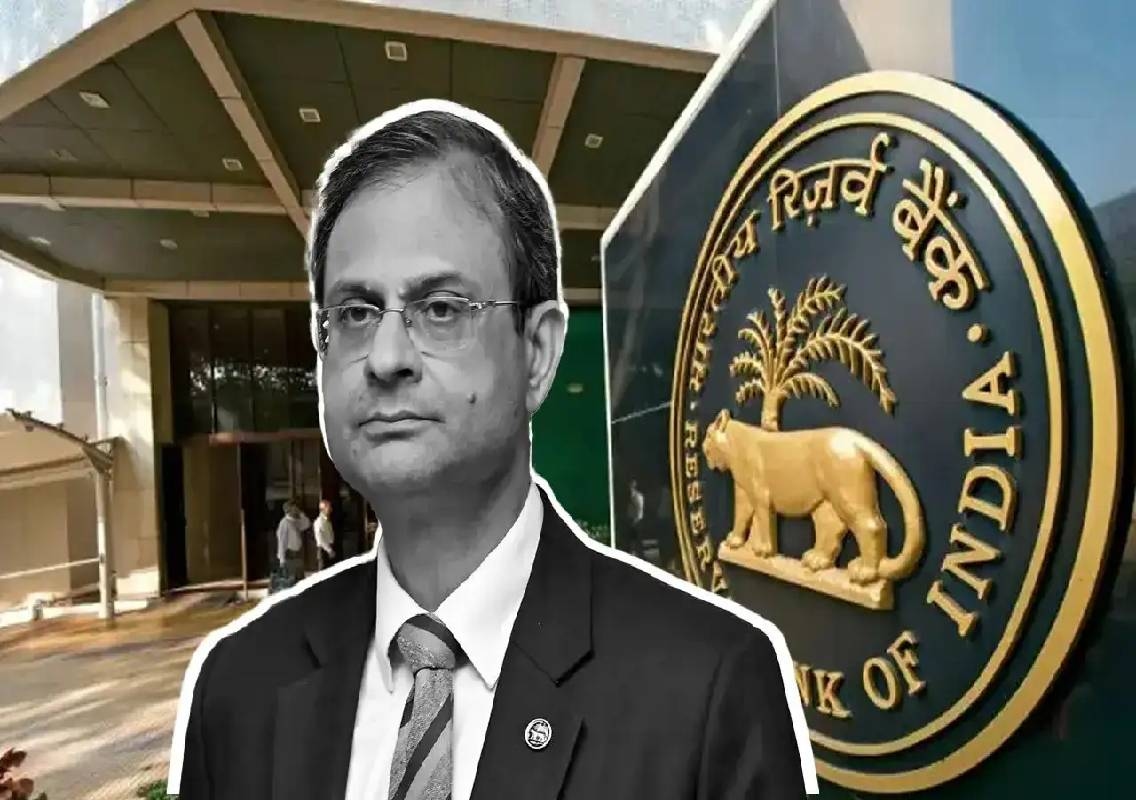


Mumbai: The upcoming Monetary Policy Committee (MPC) meeting of the Reserve Bank of India is drawing significant attention as markets, businesses and borrowers await clarity on the future direction of interest rates.
The three-day policy meeting is scheduled from June 3 to June 5, with the RBI expected to announce its decision at the conclusion of deliberations. The benchmark repo rate currently stands at 5.25 per cent, and economists remain divided over whether the central bank will maintain the status quo or opt for a rate increase amid evolving global and domestic economic conditions.
While some analysts believe inflationary pressures could force the RBI to adopt a more hawkish stance, others argue that the central bank is likely to prioritise growth and keep rates unchanged.
Why the repo rate matters
The repo rate is the interest rate at which the RBI lends money to commercial banks.
Changes in the repo rate directly influence borrowing costs across the economy, affecting home loans, vehicle loans, business credit and savings returns.
A higher repo rate generally helps contain inflation by making borrowing more expensive, while a lower rate supports economic growth by encouraging spending and investment.
As a result, every RBI policy announcement is closely monitored by investors, businesses and consumers.
SBI Research sees no need for a rate hike
According to a recent report by SBI Research, the RBI may not need to raise interest rates despite concerns surrounding the rupee and global uncertainties.
The report suggests that the central bank can manage currency-related volatility through liquidity measures and short-term interest rate tools rather than increasing the benchmark repo rate.
SBI Research argued that targeted interventions could support the rupee without affecting broader economic activity.
The report stated that maintaining a data-driven approach would be more appropriate under current conditions.
It also pointed to measures adopted during the 2013 currency volatility episode, when the RBI used tools such as increasing the Marginal Standing Facility (MSF) rate and widening the policy corridor instead of relying solely on repo rate adjustments.
Growth concerns favour status quo
Several industry experts believe the RBI should avoid tightening monetary policy at a time when economic growth remains a priority.
According to market observers, geopolitical tensions, fluctuations in global commodity prices and uncertainty in international financial markets continue to pose risks to economic activity.
A stable interest rate environment is viewed as important for sustaining investment, consumer spending and business confidence.
Sectors such as real estate, automobiles and manufacturing are particularly sensitive to borrowing costs and could be affected by higher interest rates.
Industry representatives argue that keeping rates unchanged would help maintain momentum in housing demand and infrastructure development.
Inflation remains a key concern
Despite calls for policy stability, inflation continues to remain a critical factor influencing the RBI’s decision-making process.
Rising crude oil prices, global supply disruptions and geopolitical tensions have raised concerns about future inflationary pressures.
Higher energy costs often translate into increased transportation and production expenses, which can eventually affect consumer prices.
The RBI will likely assess inflation trends, commodity prices and domestic demand conditions before making any policy adjustment.
Some economists expect rate hikes
Not all analysts agree that rates will remain unchanged.
Economists at Standard Chartered have suggested that inflation risks may prompt the RBI to begin raising interest rates sooner than previously anticipated.
According to their assessment, higher crude oil prices, rising global bond yields and tightening monetary policies across several Asian economies could influence the RBI’s outlook.
The economists have projected a cumulative 50-basis-point increase, potentially split between the June and August policy meetings.
They also indicated that if the RBI does not act in June, a larger adjustment could occur later in the year.
Global factors influencing RBI’s decision
The central bank’s policy review comes at a time when global financial markets are facing multiple challenges.
These include:
- Elevated crude oil prices
- Geopolitical tensions in key regions
- Volatility in currency markets
- Rising global interest rates
- Uncertainty in international trade
Such developments often affect capital flows, exchange rates and inflation expectations, making monetary policy decisions more complex.
The RBI is expected to closely monitor these factors while balancing inflation control with economic growth objectives.
What borrowers should expect
For homebuyers, businesses and consumers, the most likely outcome according to a majority of analysts appears to be a pause in interest rates.
If the RBI keeps the repo rate unchanged at 5.25 per cent, lending rates are expected to remain broadly stable in the near term.
However, any indication from the central bank regarding future inflation concerns or policy tightening could influence market expectations and borrowing costs over the coming months.
Conclusion
As the RBI’s June 2026 MPC meeting begins, the debate over a possible repo rate hike remains open. While SBI Research and several industry experts favour maintaining the current rate to support growth, some economists believe inflationary pressures could compel the central bank to adopt a more hawkish stance. The policy announcement on June 5 is expected to provide crucial guidance on the RBI’s outlook for inflation, growth and interest rates in the months ahead.