









From a long time in the past, probably from the time of the Intellectual Revolution, almost seventy thousand years ago, humans went beyond hunting wild animals and started making them a part of their routine life when the hunter gatherers and foragers went around picking fruits and roots for their consumption. It was around the time of the Agricultural Revolution, around ten to twelve thousand years ago, that the humans started domesticating animals as they had to settle down; after the discovery of wheat for consumption.
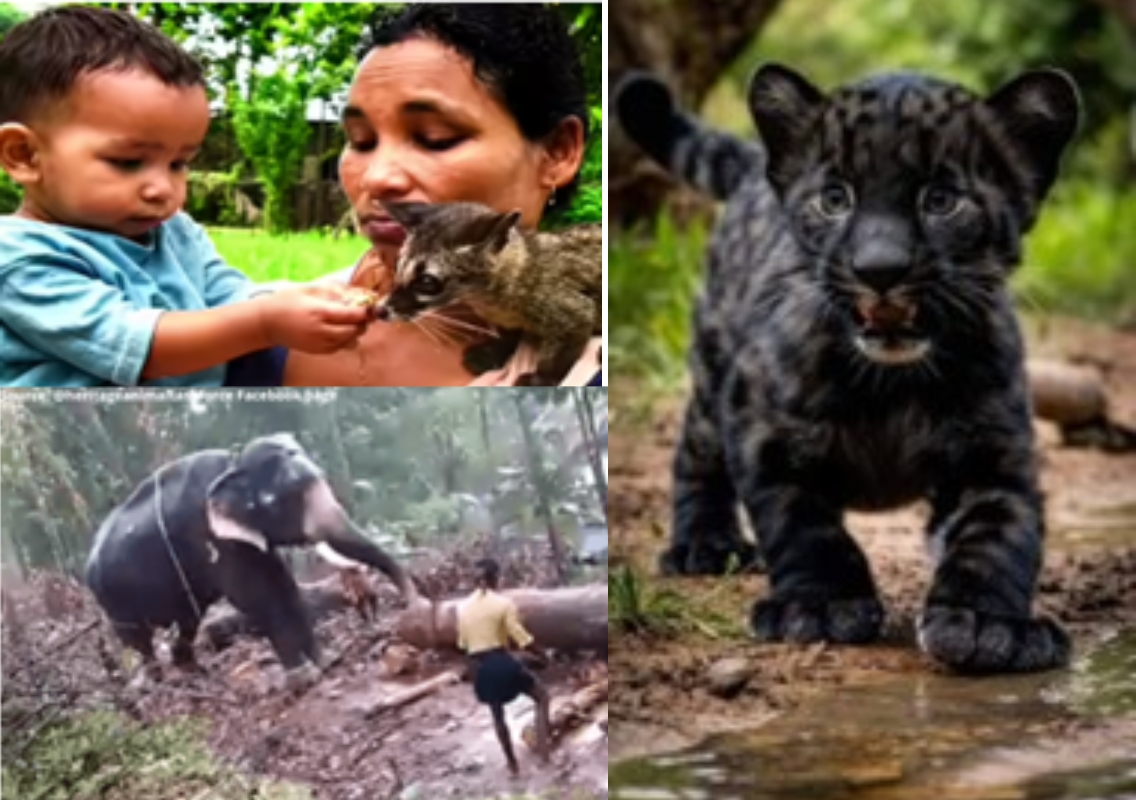
CBSE’s new syllabus for the tenth standard for 2026 – 27 has a story of Gibon Saikia’s childhood friendship with a Palm Civet Cat; which is locally known as Punugu Puchche; and which had a pet name Bhakat. Gibon was only six months old when his father Dharani Saikia brought home a small animal which had fallen down from a tree.
Dharani, himself an animal rescuer, looked after the ten day old Bhakat with the breast milk of Anjali Saikia which Gibon shared with the baby animal. The small animal used to share Gibon’s bed. It is a strange coincidence that Gibon, now in the tenth standard in a CBSE school, had the uncommon chance of learning the lesson on Gibon and the Civet Cat. Gibon is supposed to have told his friends that he still recollected those days, especially when the free and the accustomed to the home Bhakat disappeared suddenly into the wild and the lessons that he learnt from it at a young age.
Animal life is different just as animal behaviour is different. All the same, the love of pet animals which children develop as they grow up with animals at home, especially the domestic ones as the wild animals are not easily available, is of great value. A calf of a cow reared at home has one of the most powerful impacts on children as they not only love the calf but also learn from the love the mother cow and other older animals provide to the young one. Similar is the case when they witness the love and affection that a mother dog provides its young ones. No instructions at home or at learning centres may educate the young as much as it can happen when they are at home to live with animals.
Rearing wild animals at home and getting chances for learning from their acquaintance is not available for most people. I do recall my childhood association with an elephant which belonged to a grand uncle of mine and which used to come to our village for pulling logs of wood which were cut down in different properties owned by the middle class villagers.
During those days, cranes and JCBs were totally unknown and even if they were there, there were not enough roads for them to move to the spots where the logs were cut down and prepared. This elephant, Keshavan, whenever he visited our place on his way to any workplace, because the mahout would have food at my residence, would keep his trunk on the veranda of our house, The veranda was elevated in one section beneath which Keshavan would be allowed to stay, till my mother served him some plantains, other fruits or jaggery. Sometimes, he would be brought to the backyard of the house for feeding huge rice balls prepared at home and we were also allowed to give him fruits after that, providing us ample opportunities to be next to one of the biggest animals. So, all of us grow up with no fear of elephants whenever we saw them anywhere else.
More than four decades ago, when I was the honorary wildlife warden of South Kanara district, I had had the opportunity to come across animals rescued from different places by the forest department which would contact me to get the assistance of three of my students, Sharath, Charles and Surya, who had specific knowledge about dealing with animals. Once, Mr Sadashivaiah, who was then the District Forest Officer, contacted me to consult me about a baby panther cub with a broken leg.I took it home and nursed it to recover. It must have been hardly fifteen days old. I tied two tiny cut pieces of ice cream spoons to keep the hanging leg straight. Thereafter, it was left free in the front room and was fed with rice and fruits. The veterinary doctor visited once every two or three days, I remember he gave a free service, and was surprised to see that the animal was able to walk freely and even play on a ball. I had to send it to the Mysore zoo by the time it was about a month and a half old as it had started scratching the people at home in its play. The best I remember of those days is the friendship that my son and daughter had with the animal and their sadness after the animal was sent away. I also remember that local newspapers, and some newspapers from outside, wrote articles on the rescue of the panther cub.
As the Mangalore Wildlife Trust started growing with bigger activities, several animals were being brought to my house, in addition, there was also an increase in the number of calls received for catching and removing snakes from houses. When the three students, Sharath, Charles and Surya, did yeoman service to the people of the city during those days, there was also a need to release most of them, the work of the students also increased. Some were sent to the Shimoga or Mysore zoo. Carrying the snakes or other animals in my car boot, driving into the deep forest with the students, most of the time into the Karinje forests, was both a pleasure and also a dangerous adventure. This continued until the Snake Park was established at Kadri Hills and a snake catcher was also appointed to look after the snakes who could also attend to calls for help from different parts of the city.
………………………………….
Prof. Sunney Tharappan, is Director of College for Leadership and HRD, Mangaluru. He trains and writes and lives in Mangaluru. Email: [email protected]