








New Jersey: In a powerful call to action against the rising tide of financial fraud across the United States, a major Scam Awareness Programme was organised on February 8, 2026, at Marywood, New Jersey. The initiative brought together community leaders, educators, students, families, and advocates with a shared mission: to protect senior citizens and young people from organised cyber and financial crimes.
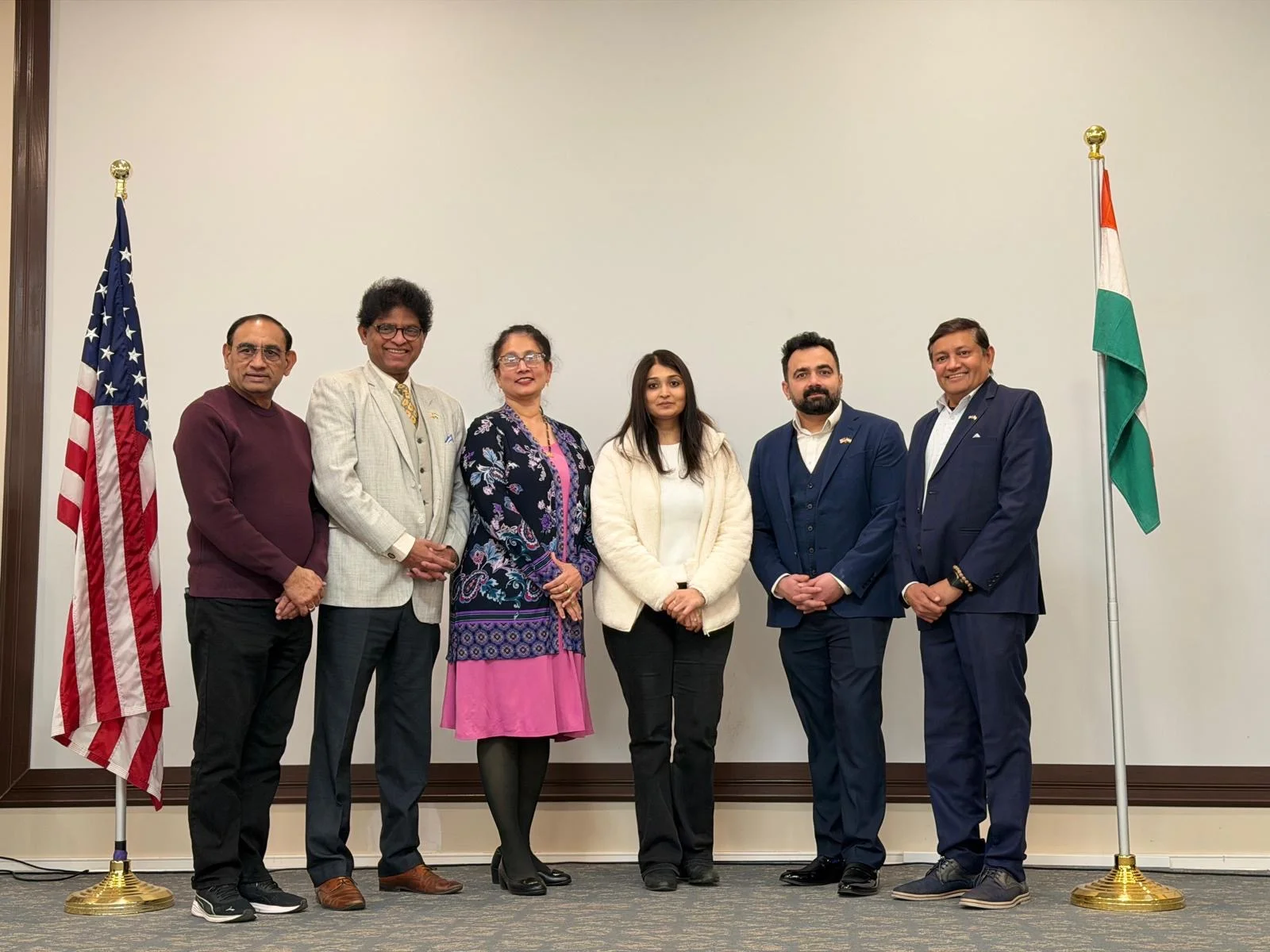
The event was organised by Anil Mangukia, Founder of Help Before Scam, and focused on tackling two growing threats — senior citizens losing their life savings to fraudsters and students being exploited as financial couriers or “money mules”.
Seniors and students increasingly targeted
Speakers at the programme highlighted how thousands of senior citizens across the United States are being targeted by scammers posing as government officials, bank representatives, technical support agents, or even distressed family members. By exploiting fear, urgency, and limited digital awareness, criminals manipulate victims into transferring money, sharing personal data, or opening fraudulent accounts.
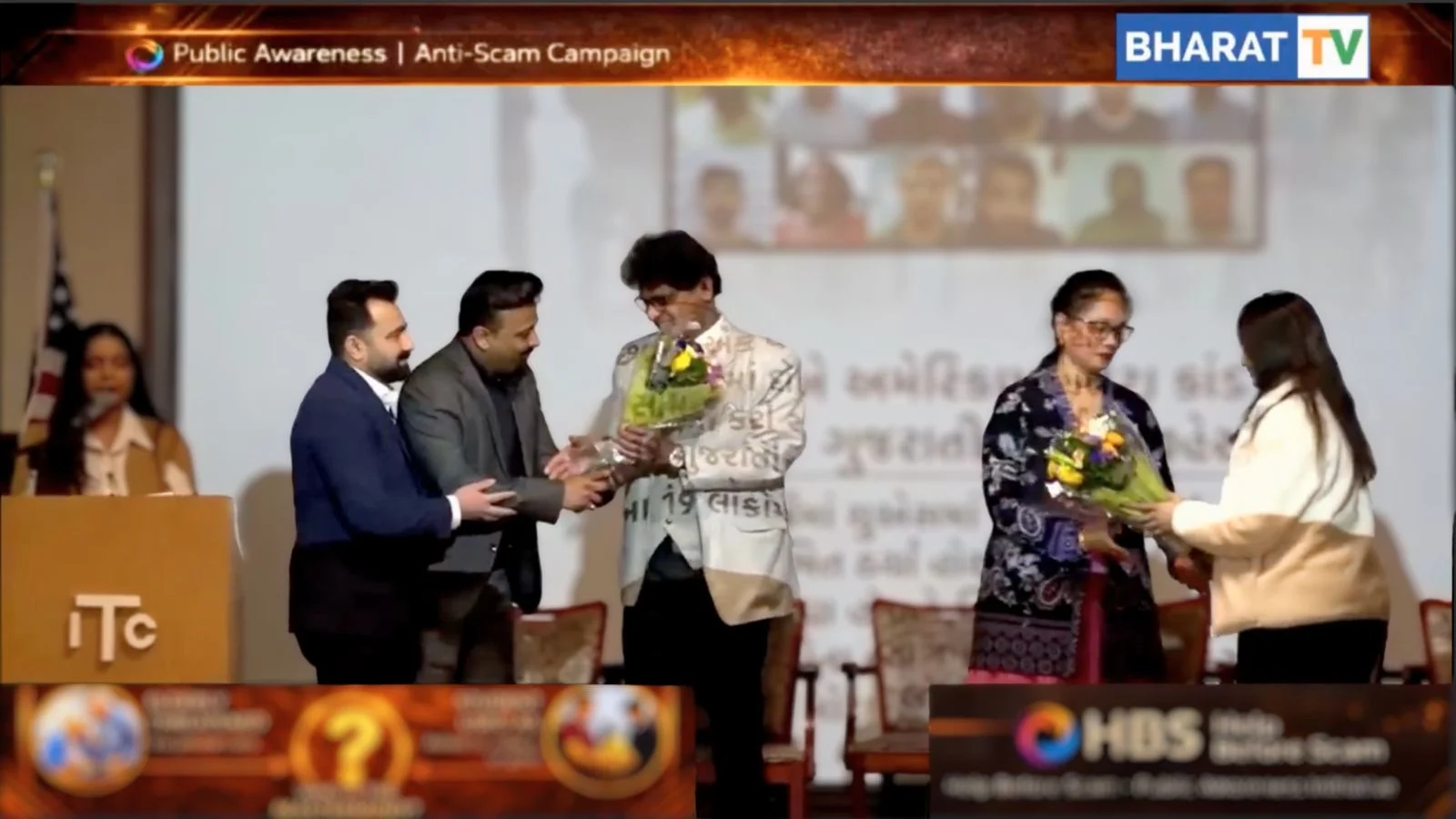
Simultaneously, students are being recruited online through social media and fake job offers. Promised quick earnings or internship opportunities, many unknowingly become conduits for illegal funds. This involvement can lead to criminal investigations and long-term damage to their academic and professional futures.
Organisers stressed that a single scam can devastate not only an individual but entire families and generations.
Harold D’Souza delivers powerful keynote
The programme was honoured by the presence of Harold D’Souza and Dancy D’Souza, Co-Founders of Eyes Open International (EOI), who attended as Guests of Honour. Harold D’Souza delivered the keynote address, drawing from his own journey from victimhood to global advocacy.
Speaking to a packed audience, Harold emphasised the importance of education and prevention. “Prevention is always better than recovery,” he said. “When we educate our seniors, guide our youth, and strengthen families, we weaken the power of criminals.”

He reiterated EOI’s commitment to service and dignity, stating, “We do not take a single penny when working with victims or survivors. Our mission is service, restoration, and empowerment — never profit.”
As a survivor of labour trafficking and exploitation, Harold reminded attendees that vulnerability is not limited by background, education, or status. His testimony underscored the need for collective vigilance and compassion.
Standing with Help Before Scam
Harold publicly extended his support to Help Before Scam and its founder, Anil Mangukia, praising the organisation’s focus on early intervention and awareness-building.
“Organisations like Help Before Scam are saving lives and livelihoods,” he said. “When communities collaborate, criminals lose their hiding places.”
The programme emphasised that scam prevention must be proactive rather than reactive, with strong partnerships between nonprofits, families, educational institutions, and law enforcement agencies.
Practical protection tips for seniors
To empower attendees, the programme outlined essential precautions for senior citizens and their families:
- Never share personal information: Avoid disclosing Social Security numbers, banking details, OTPs, or passwords via phone, email, or text.
- Verify before trusting: Confirm unexpected requests directly through official channels.
- Beware of urgency and threats: Scammers create panic; take time to think and consult trusted individuals.
- Avoid unknown links and attachments: Do not click suspicious emails or messages.
- Report immediately: Contact banks, law enforcement, or trusted organisations at the first sign of concern.
- Stay socially connected: Regular communication with family members helps detect warning signs early.
A message to youth
Students were urged to exercise caution regarding online job offers, easy-money schemes, and requests to transfer or hold funds on behalf of others. Speakers warned that ignorance of the law does not shield individuals from prosecution.
Harold encapsulated this caution with a poignant reminder: “A short-term pain is a long-term gain, but a short-term gain is a long-term pain.”
Building resilient communities
Dancy D’Souza reinforced the importance of compassion, listening, and solidarity. “When people feel supported, they are less likely to fall into traps,” she noted.
Throughout the session, it was emphasised that scam prevention is a shared responsibility. Families, schools, faith institutions, nonprofits, and law enforcement must work together to create informed and resilient communities.
From pain to purpose
As the event concluded, participants reflected on Harold D’Souza’s transformative journey — from surviving exploitation to leading global movements for justice and awareness. His life story stands as a testament to resilience, hope, and the power of informed communities.
The programme closed with a renewed commitment to vigilance and education, reminding attendees that awareness remains the strongest armour against deception. Through courage, collaboration, and compassion, communities can safeguard dignity, protect futures, and prevent financial exploitation before it begins.