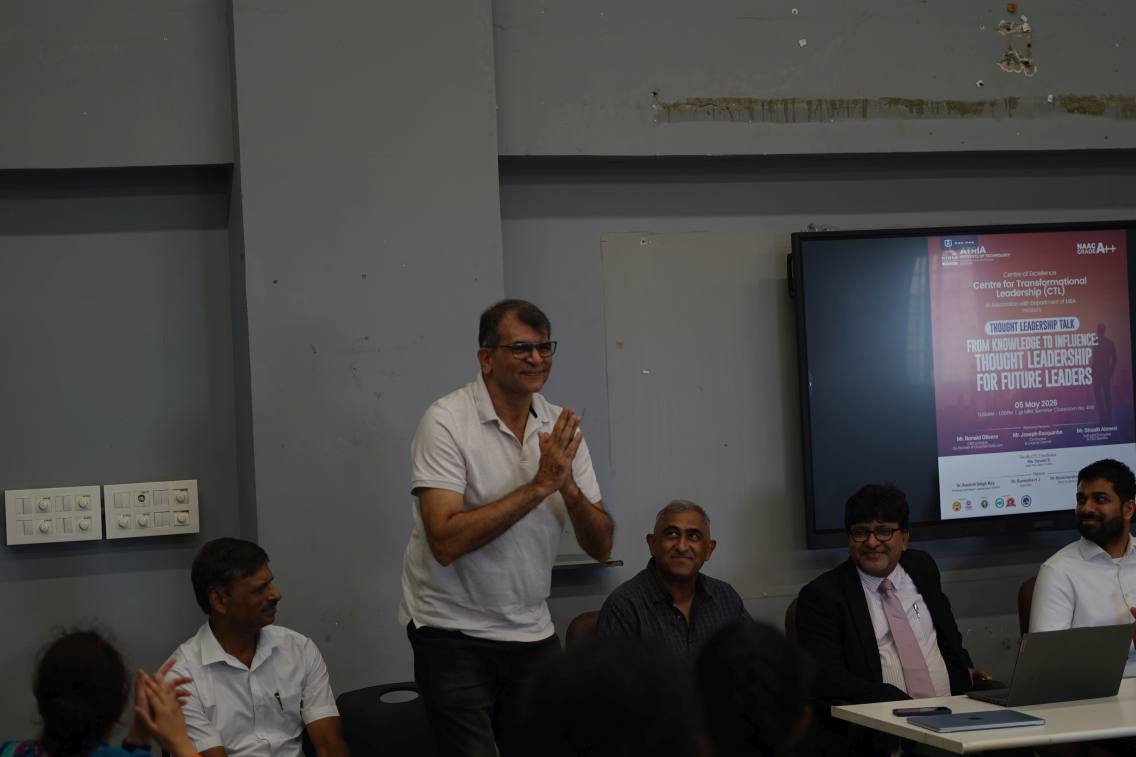


Bengaluru: As Artificial Intelligence continues to reshape workplaces and industries across the globe, educational institutions are increasingly recognising that technical knowledge alone may no longer be sufficient for students to succeed in the modern professional environment.
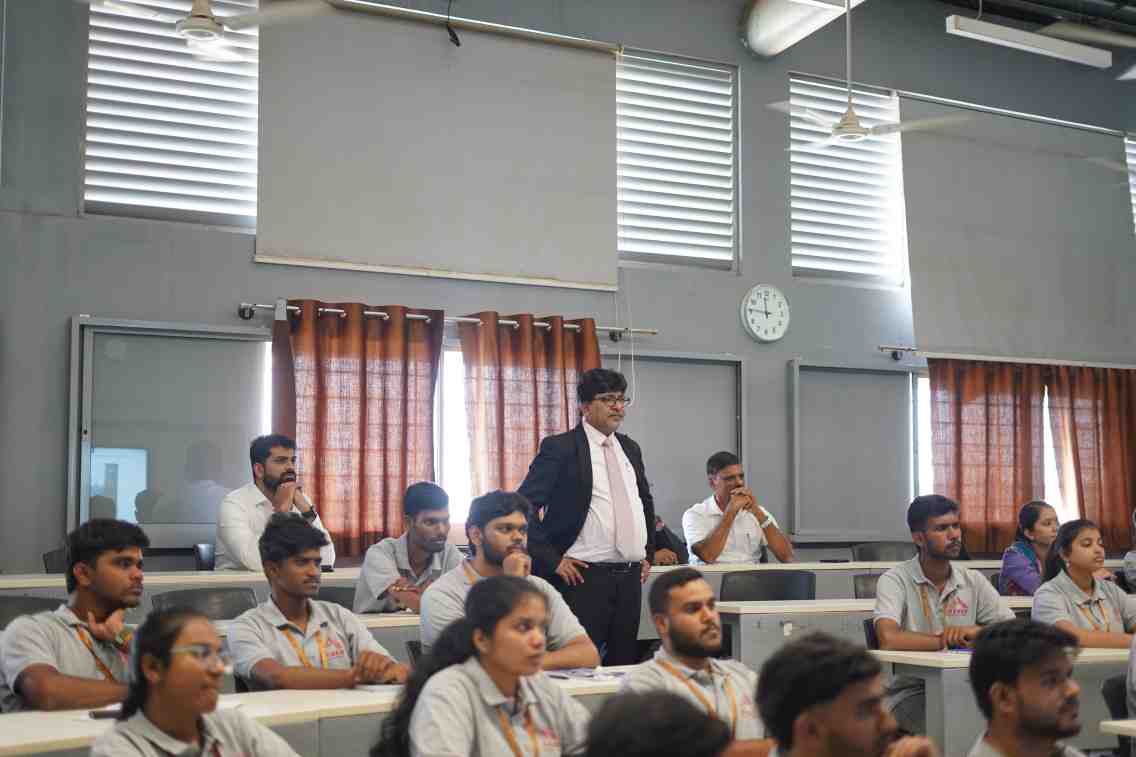
In response to this changing landscape, a reputed KHDA-approved organisation, ZillionPathways, has developed an innovative programme titled “UNWRITTEN SKILLS” aimed at strengthening communication, confidence, decision-making, and opportunity creation among management students.
The programme, designed with the support of PhD scholars from reputed universities across the United Kingdom, Europe, and the United States, was recently introduced for MBA students at Dayananda Sagar University and Atria Institute of Technology.
Unlike traditional academic modules focused heavily on textbooks and theory, the initiative adopts a unique movie-style storytelling approach to help students develop practical human skills essential for real-world situations.
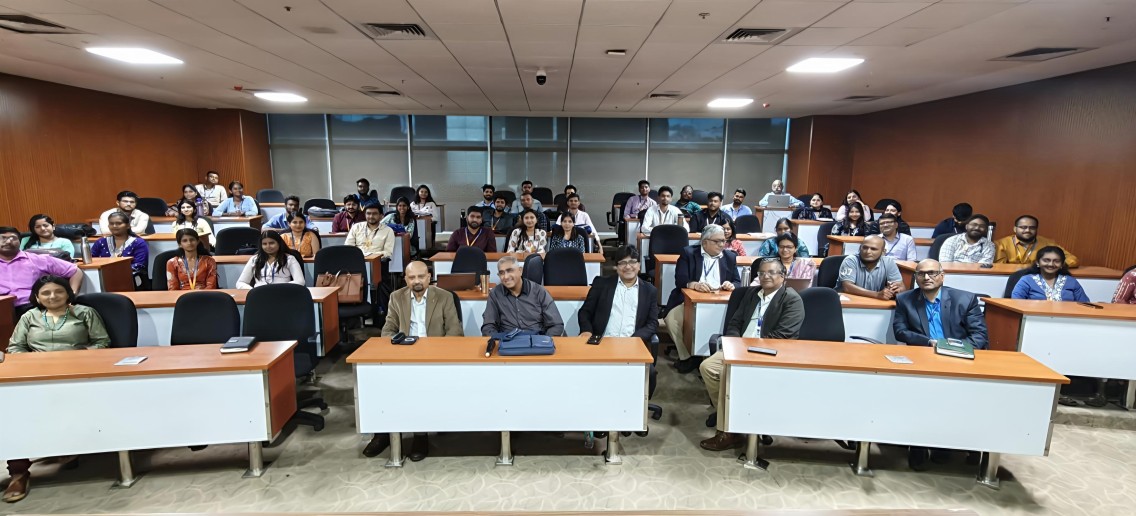
Focus on communication and independent thinking
Educational experts associated with the programme observed that although students today have unlimited access to information through AI-powered platforms such as OpenAI’s ChatGPT and other digital tools, many continue to face challenges in communication, confidence-building, problem-solving, and decision-making under pressure.
The UNWRITTEN SKILLS programme has therefore been structured to complement artificial intelligence rather than compete with it. Organisers stated that the initiative is designed to help students leverage human intelligence more effectively and gain a distinct advantage in an AI-driven workplace ecosystem.
The sessions were personally conducted by Ronald Olivera, Founder and CEO of ZillionPathways, who highlighted the need for students to move beyond dependency on information alone.
According to Olivera, the programme focused on enabling students to think independently, communicate ideas clearly, and respond effectively to uncertain or difficult situations.
He stated that while information today is easily accessible, the real challenge lies in applying knowledge meaningfully, handling real-life pressures, and creating opportunities instead of waiting for them.
Real-life business journeys used as learning tools
One of the major highlights of the programme was its unconventional learning methodology based on immersive, movie-inspired storytelling.
Instead of relying solely on conventional classroom lectures or business case studies, the sessions explored the real-life journeys, struggles, failures, and breakthroughs of accomplished industry leaders and entrepreneurs.
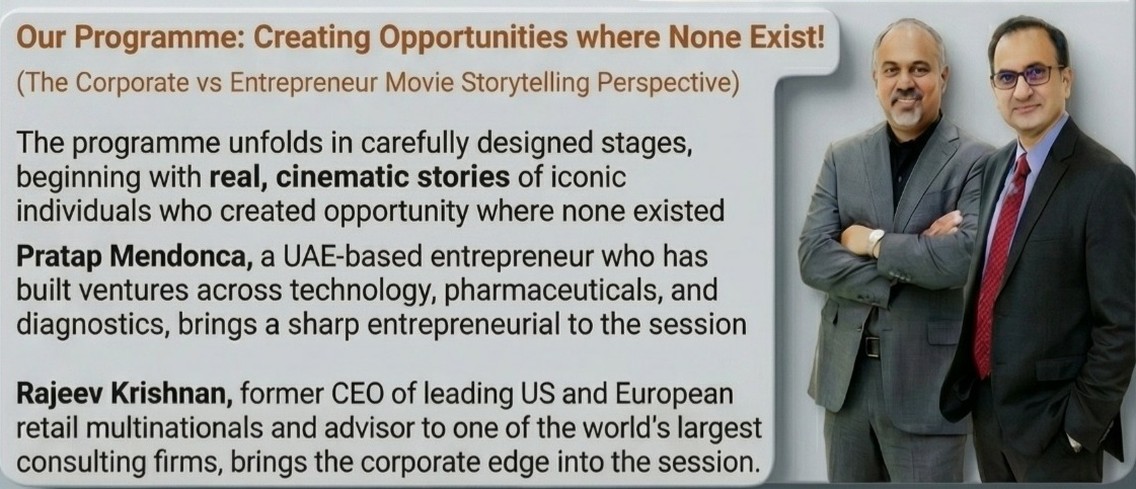
The programme featured the professional journeys of Rajeev Krishnan, former CEO and Managing Director of SPAR and former Head of Bharti Walmart, along with UAE-based entrepreneur Pratap Mendonca, whose business ventures span healthcare, pharmaceuticals, manufacturing, design, and real estate sectors.
Organisers explained that these stories were used to help students understand how resilience, communication, adaptability, and critical thinking contribute towards success even in difficult circumstances.
The sessions were described as highly interactive, immersive, and emotionally engaging, encouraging students to participate actively rather than passively absorb information.
Positive response from students and industry leaders
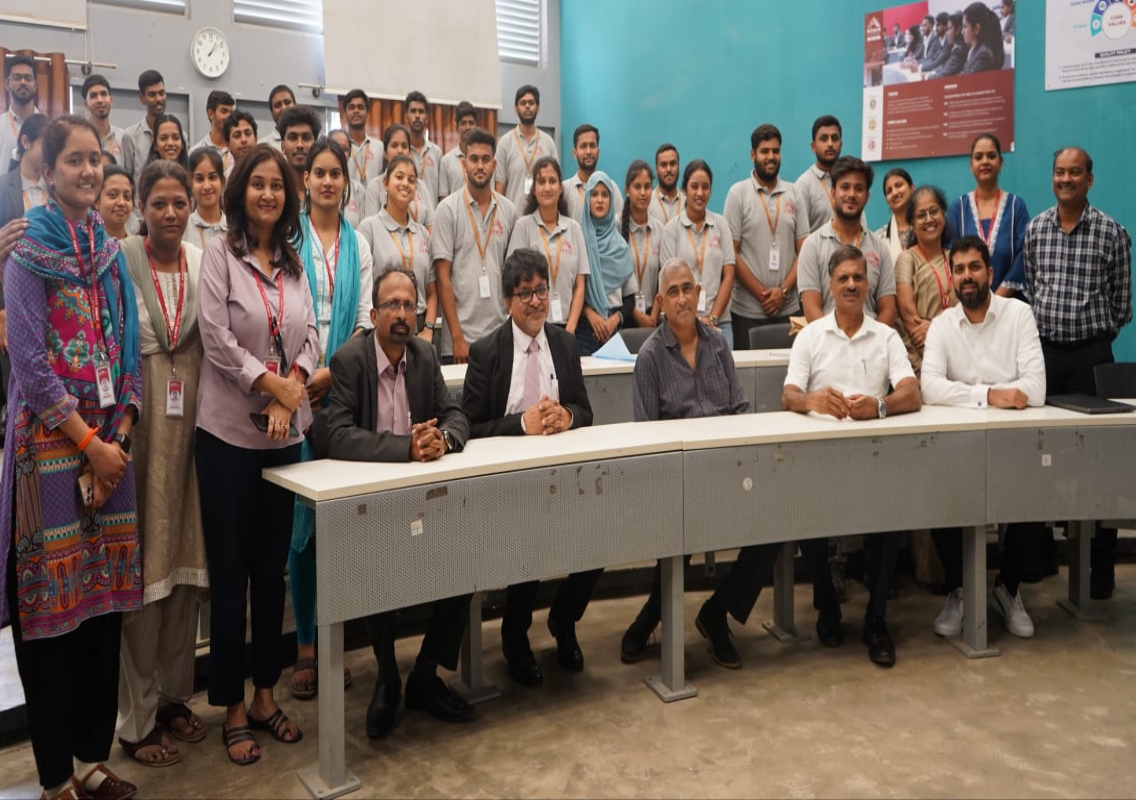
According to organisers, the programme received an overwhelmingly positive response from students. Nearly 85 per cent of participants reportedly rated the initiative as “excellent,” while the remaining students rated it as “very good.”
The initiative also attracted significant attention from industry leaders, academicians, and professionals from various sectors.
Prominent attendees included Shoaib Ahmed, former President of Tally Solutions; Ranjan Fernandes, Executive Director at JPMorgan Chase & Co. London; Charles Gomes, CEO of CAD Pharma and Founder President of Kanara Entrepreneurs, Bengaluru; and Professor Leo Lobo, a 91-year-old academician and expert in Neuro-Linguistic Programming.
Many attendees reportedly described the initiative as a timely and much-needed shift in higher education learning models, especially at a time when companies are increasingly prioritising problem-solving abilities, communication skills, leadership qualities, and adaptability over marks and purely technical qualifications.
Programme gaining attention beyond India
The organisers stated that the initiative is now attracting interest from leading universities across India and the Middle East, many of which are exploring the possibility of integrating the programme into their academic curriculum.
ZillionPathways has also shortlisted a select group of Thought Leaders whose success stories are expected to become part of the programme’s future learning modules.
According to the organisers, these real-world narratives are intended to provide students with practical inspiration and help the initiative evolve into a larger global movement focused on human-centric skill development.
Several renowned trainers and internationally recognised public speakers have also reportedly expressed interest in conducting the sessions across universities worldwide.
The UNWRITTEN SKILLS programme has already been launched in India and is now preparing for expansion into the Middle East, with organisers indicating long-term plans for global outreach.
Human intelligence seen as key differentiator
The emergence of AI-powered technologies has triggered widespread discussions within academic and professional circles regarding the future role of human intelligence and interpersonal skills.
Educational experts associated with the programme believe that while AI can provide information instantly, uniquely human qualities such as emotional intelligence, communication, leadership, creativity, resilience, and decision-making will continue to play a crucial role in career success.
Institutions introducing initiatives such as UNWRITTEN SKILLS view these programmes as essential additions to traditional management education, particularly in preparing students for rapidly evolving workplace environments shaped by automation and artificial intelligence.
The organisers emphasised that the future workforce would require not only technical proficiency but also the ability to think critically, collaborate effectively, adapt quickly, and create opportunities in uncertain situations.