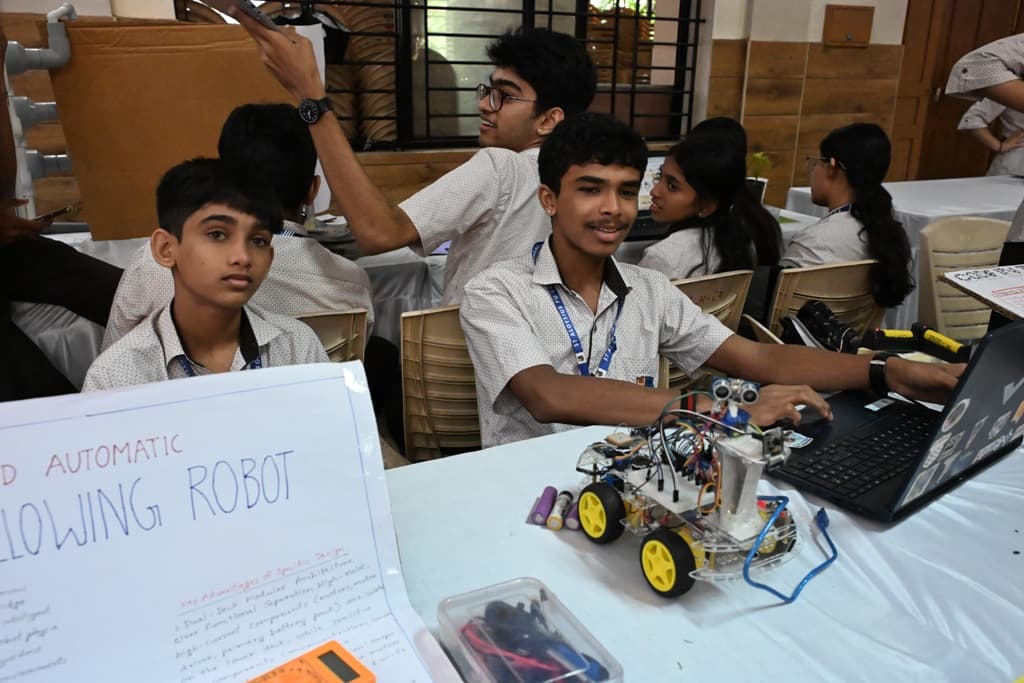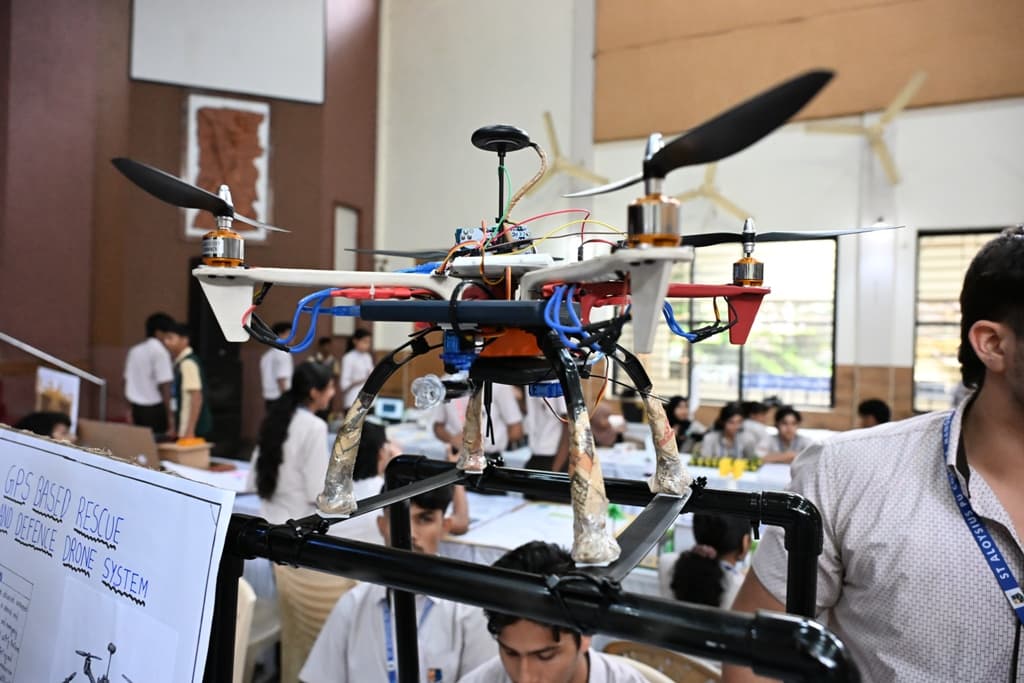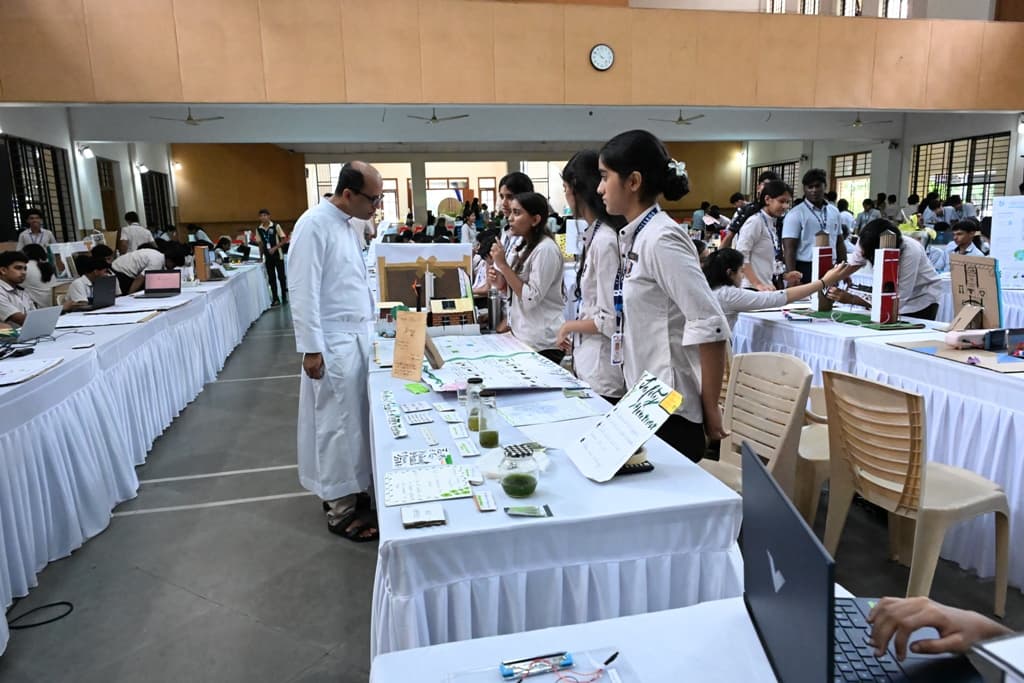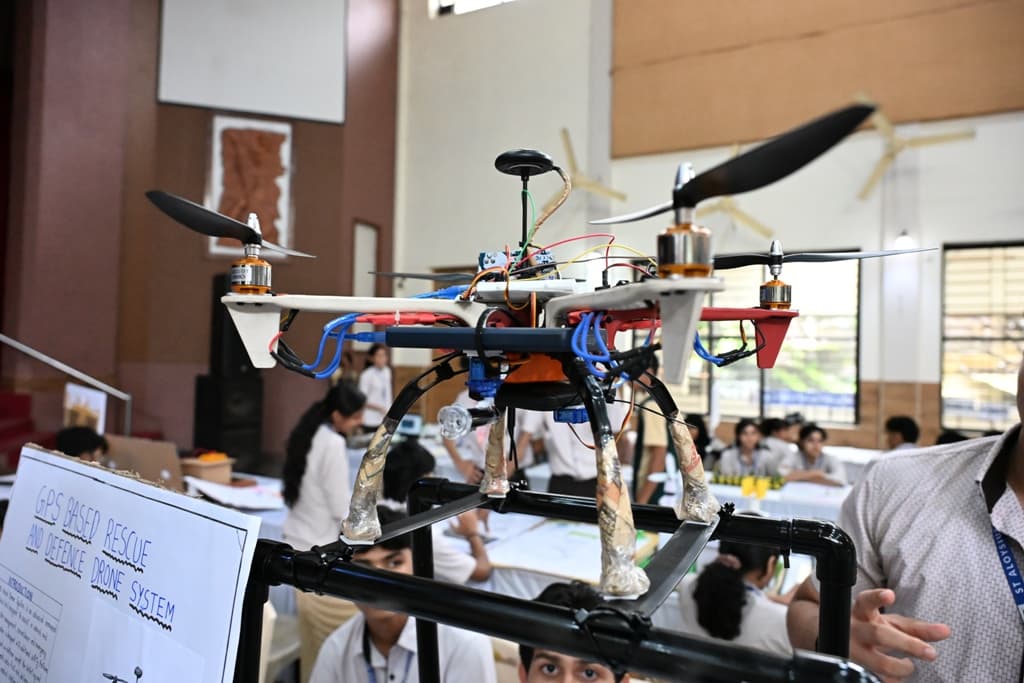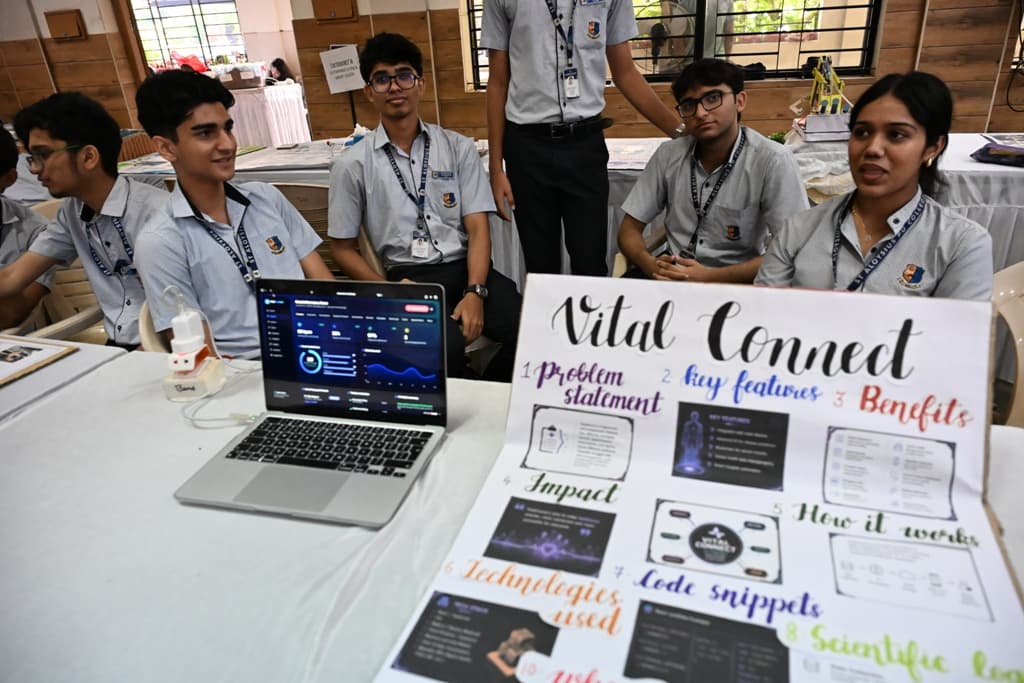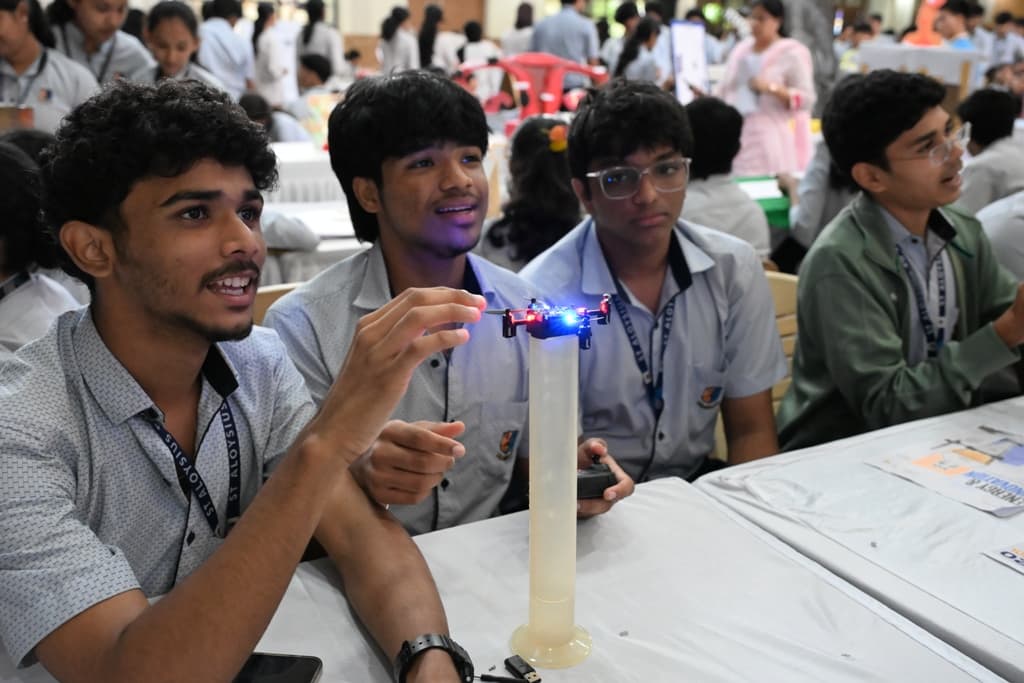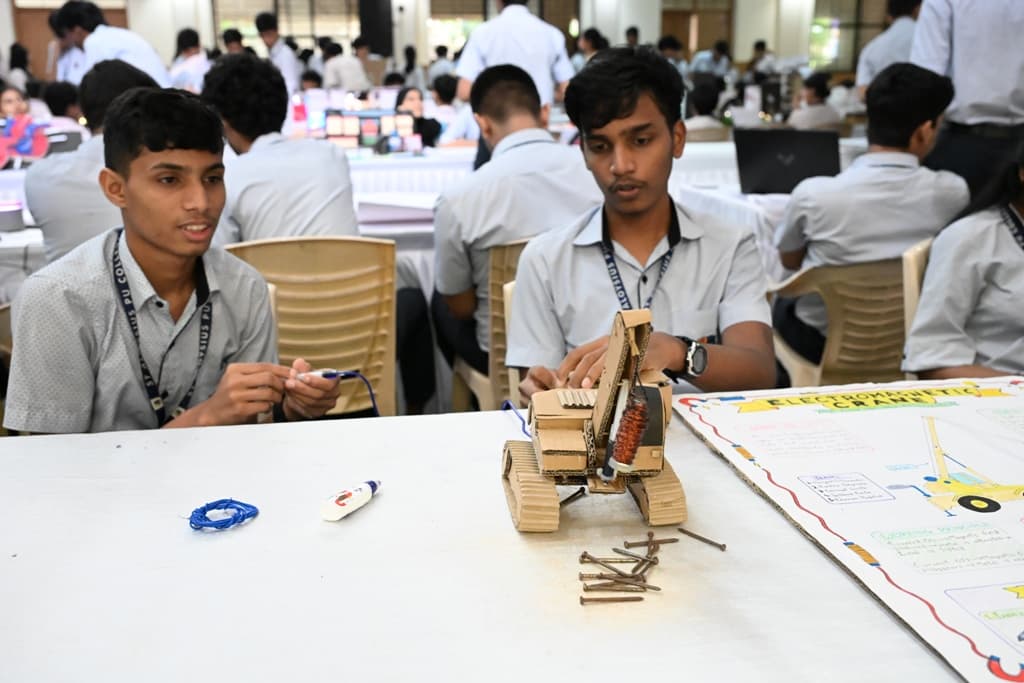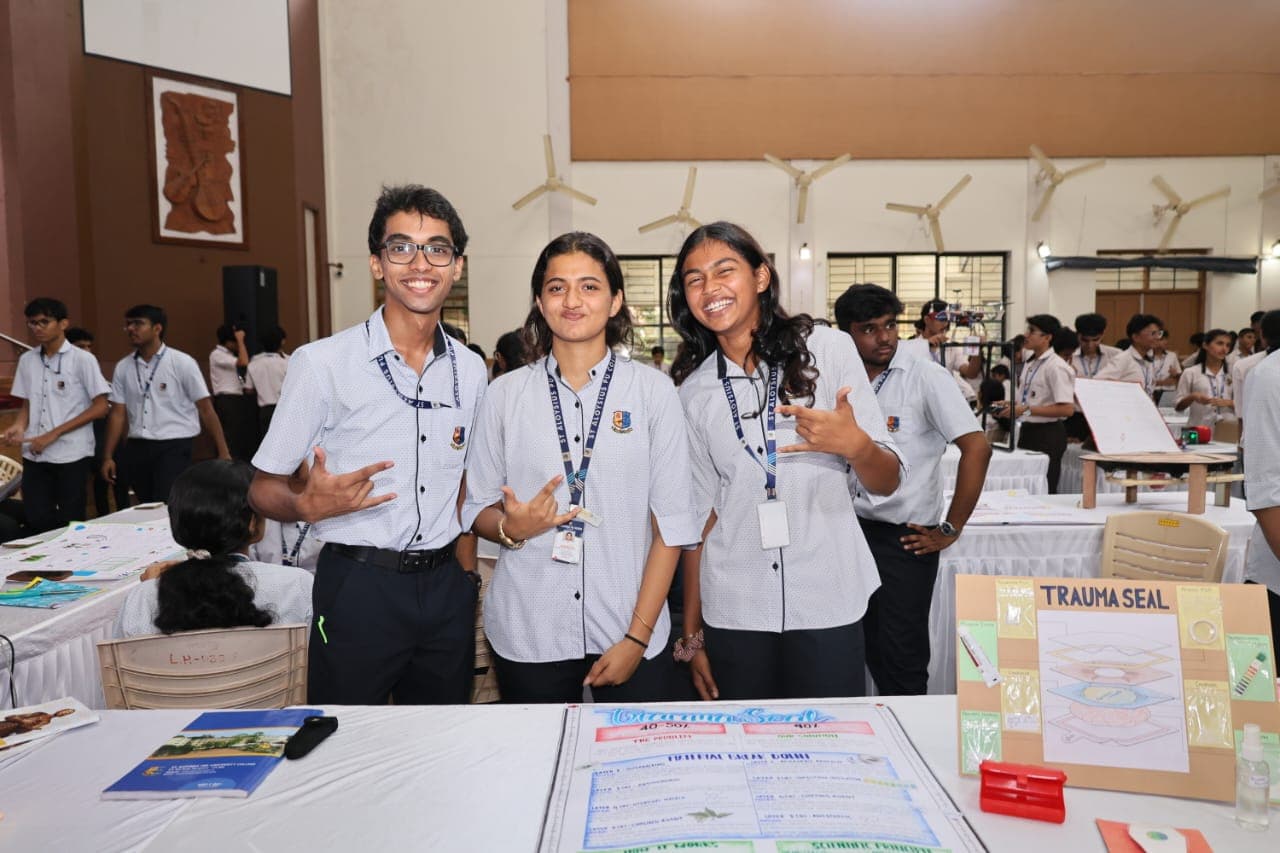


Mangaluru: More than 130 innovative science models developed by nearly 700 students were showcased at Genesis 2026, a two-day Science Model Competition and Exhibition organised by St Aloysius PU College at Loyola Hall on August 18 and 19.
The exhibition provided students with a platform to transform classroom learning into practical applications, with projects addressing real-world challenges in healthcare, sustainability, artificial intelligence, robotics, energy, environmental conservation, mathematics and smart technology.
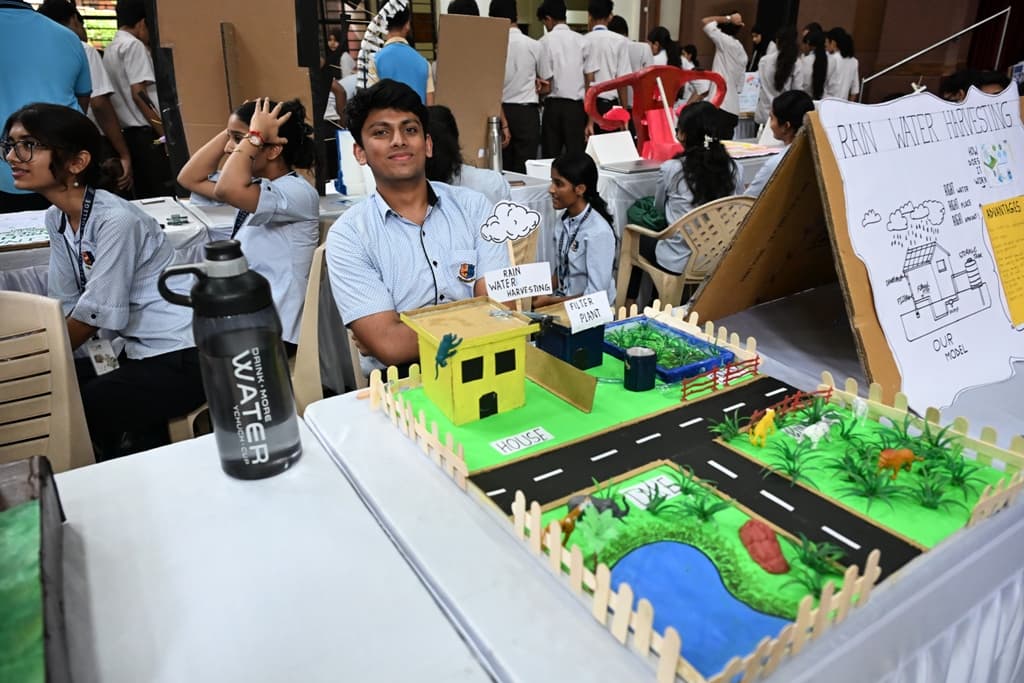
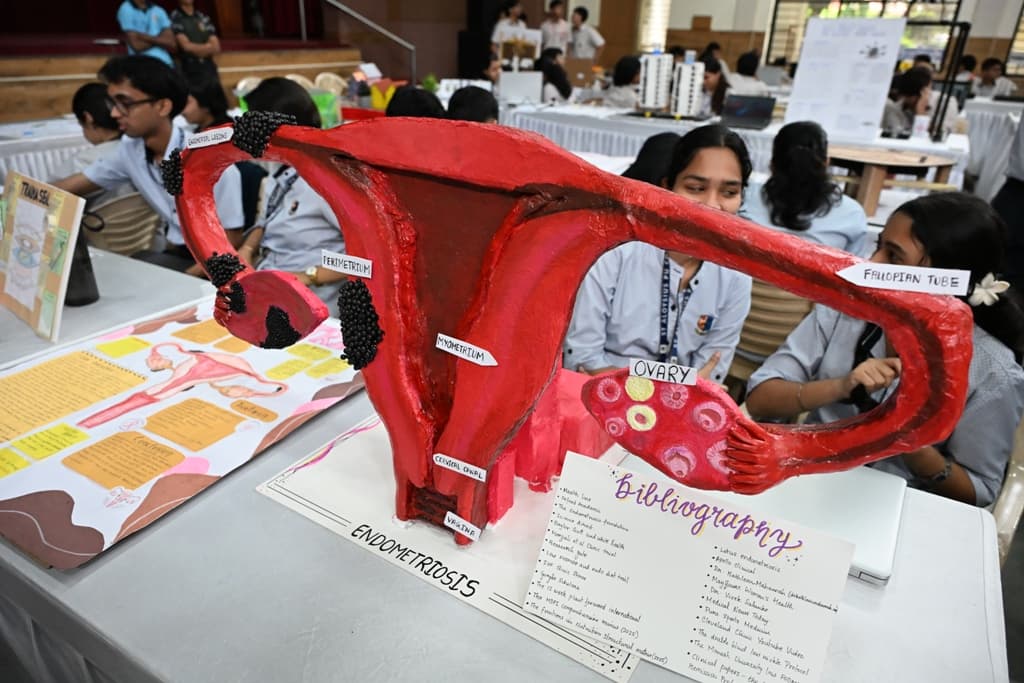
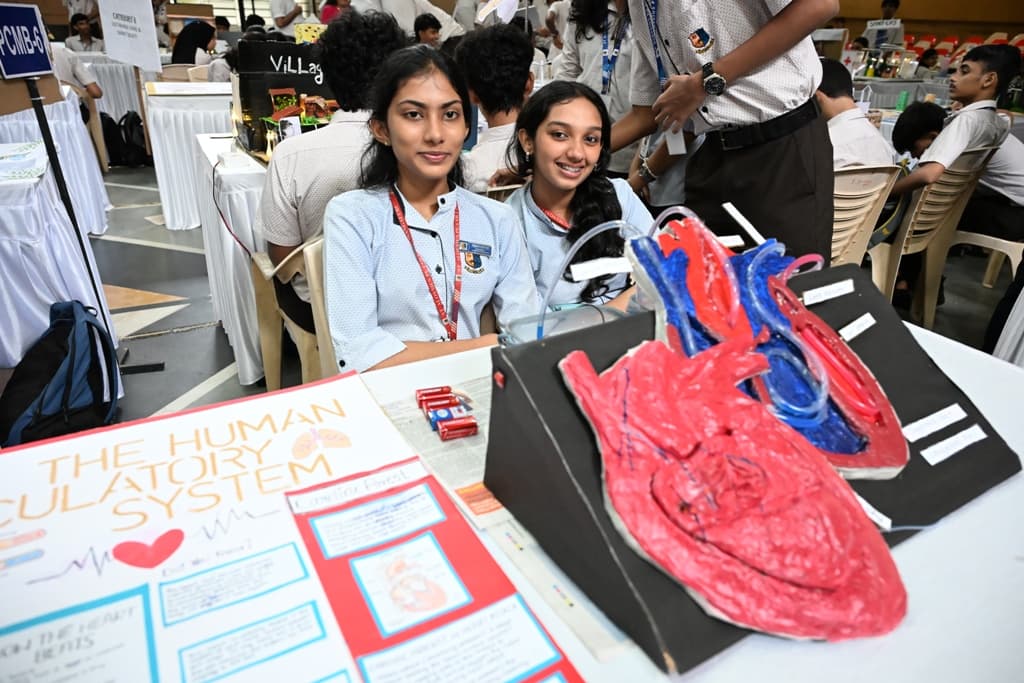
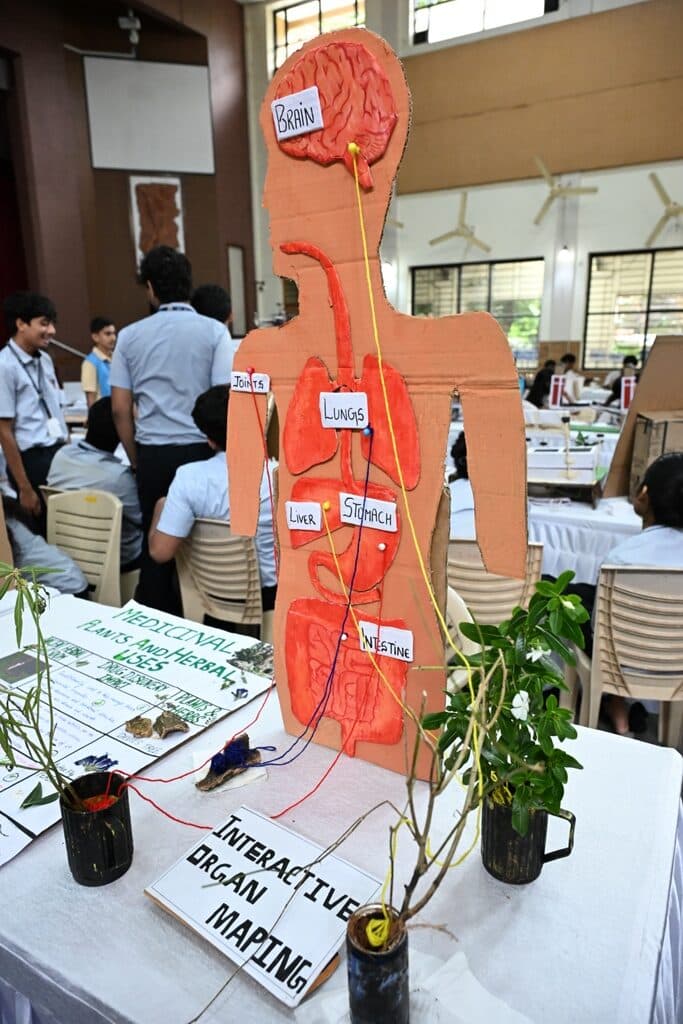
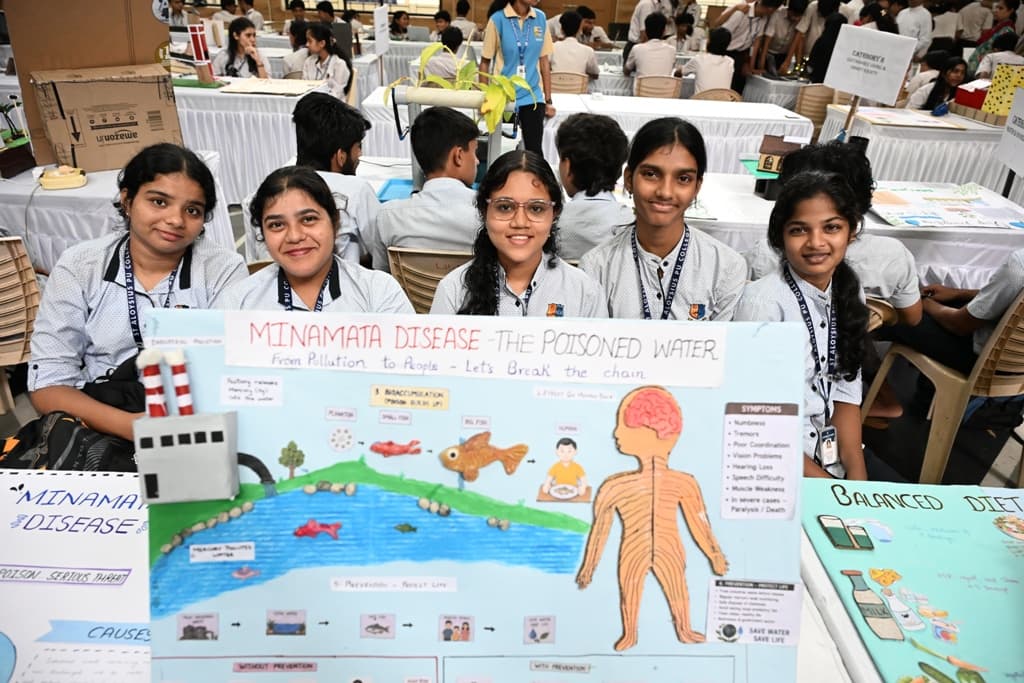
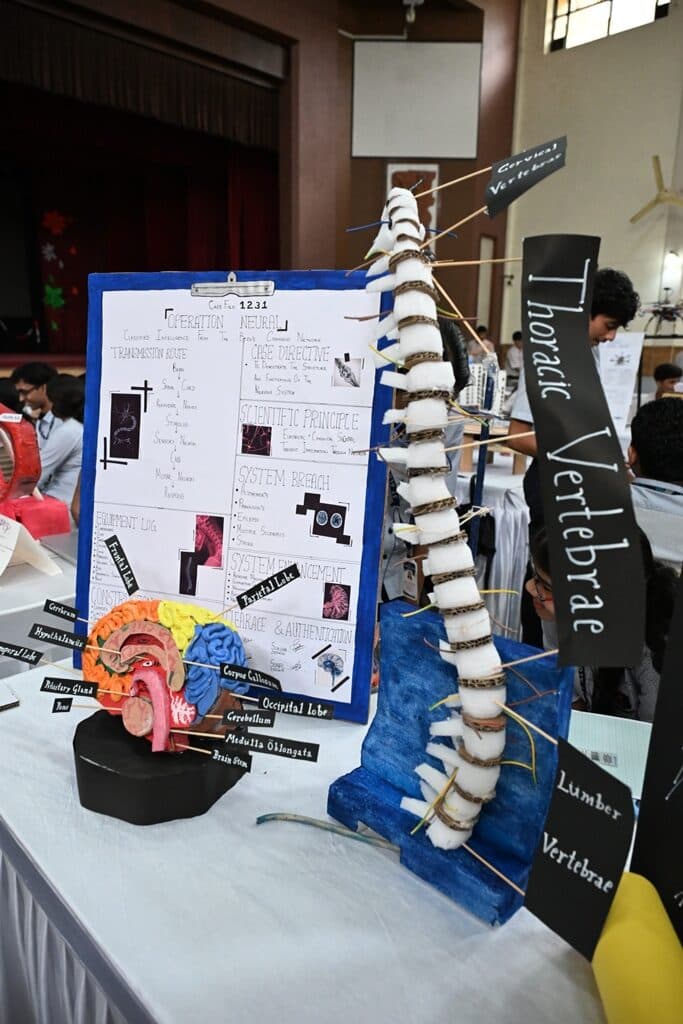
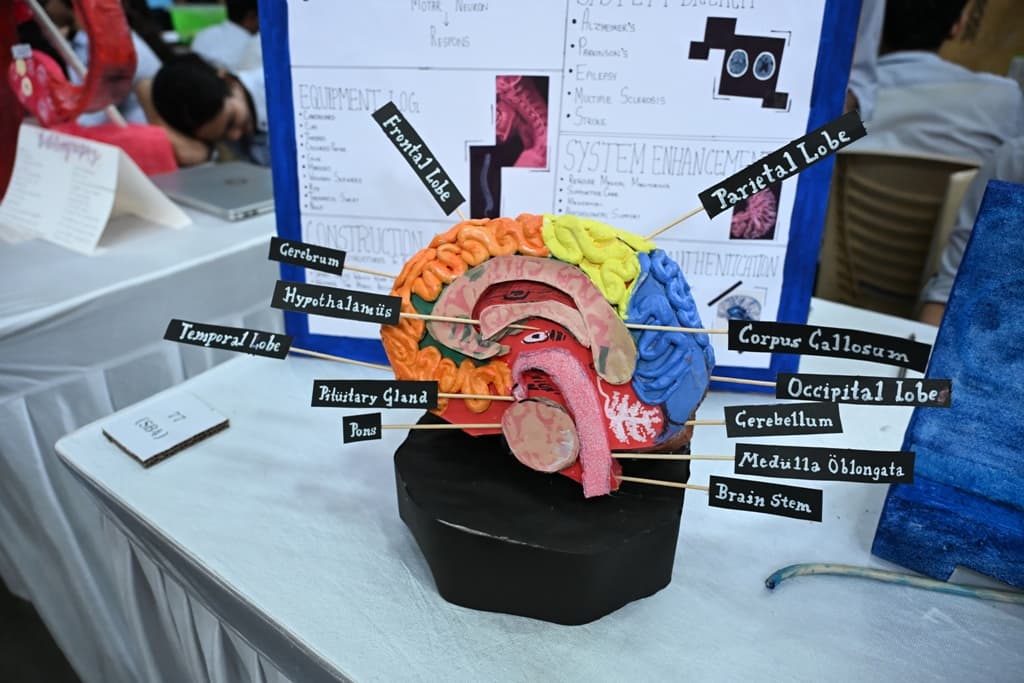
The exhibits were presented across eight categories — Water and Environment; Human Health and Biology; Electronics and Automation; Computer Science and Smart Technology; Mathematics, Data and Statistics; Energy and Innovation; Physics and Applied Science; and Sustainable Living and Smart Society.
Students explore science through practical innovation
The wide range of exhibits reflected the students’ scientific curiosity, problem-solving abilities and growing interest in technology and innovation. Several projects focused on applying emerging techn
ologies to practical institutional and social challenges.
Projects such as Genesis AI, Sign Language to Text, Hospital Management System, Smart Attention System, Expense Tracker and College Website demonstrated the application of digital technologies. Robotics and engineering-based exhibits included Hydraulic Robotic Arm, Electromagnetic Crane, Hydraulic Lift, Robotics and Mechanism Drone.
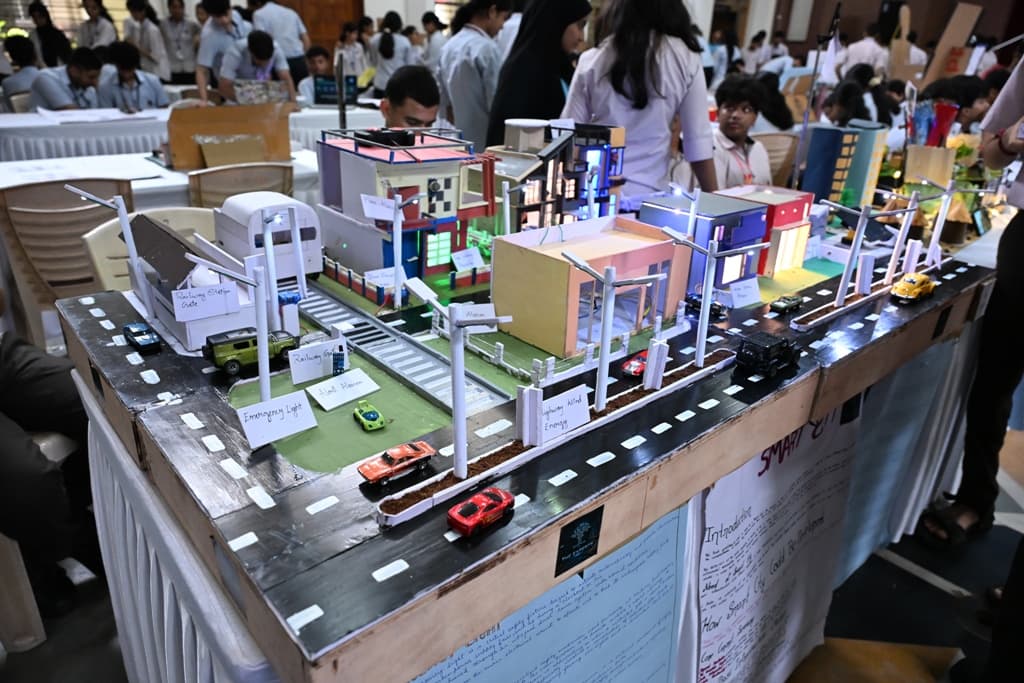
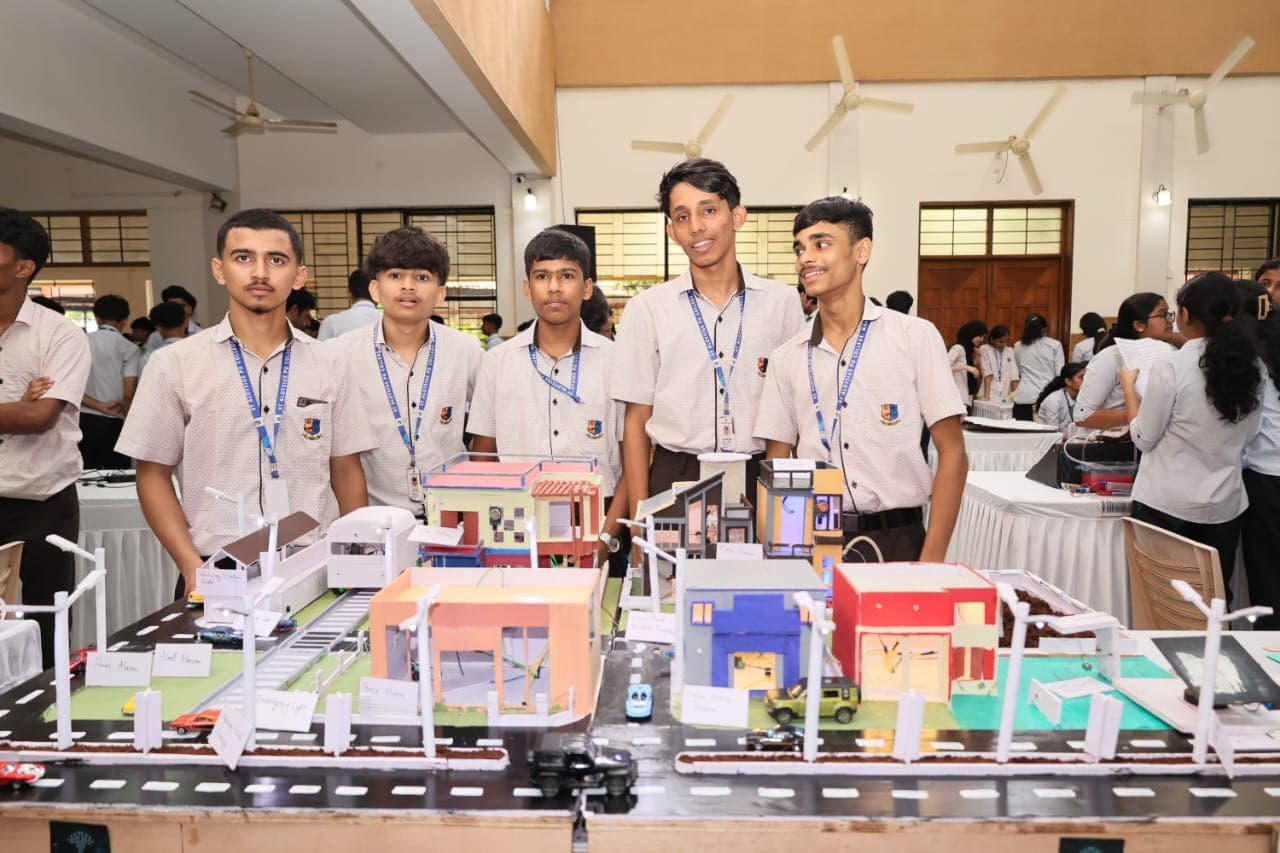
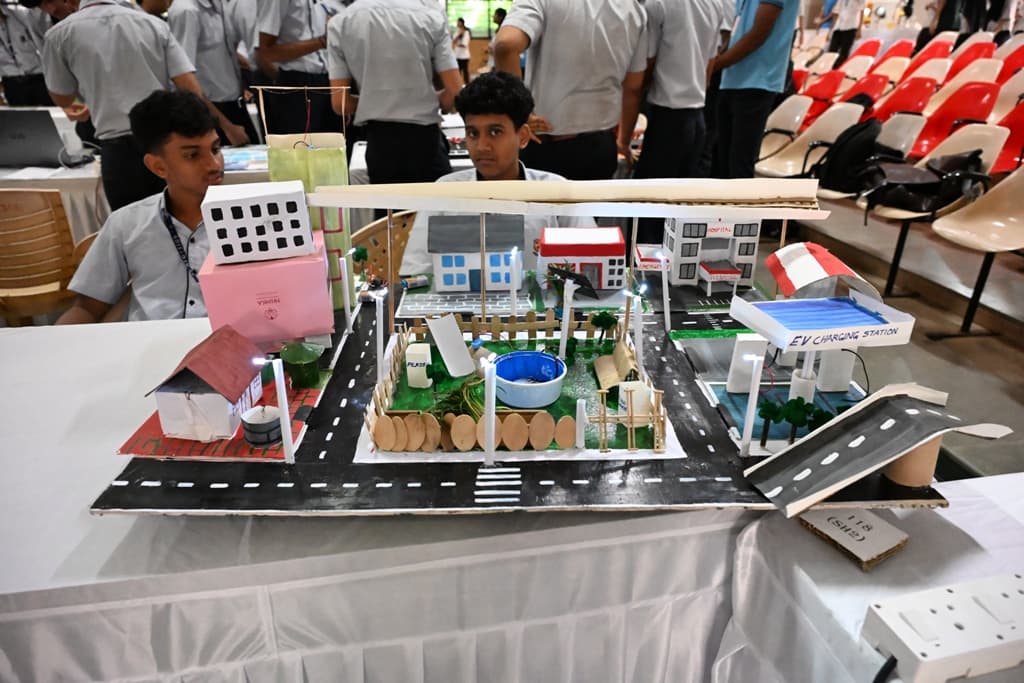
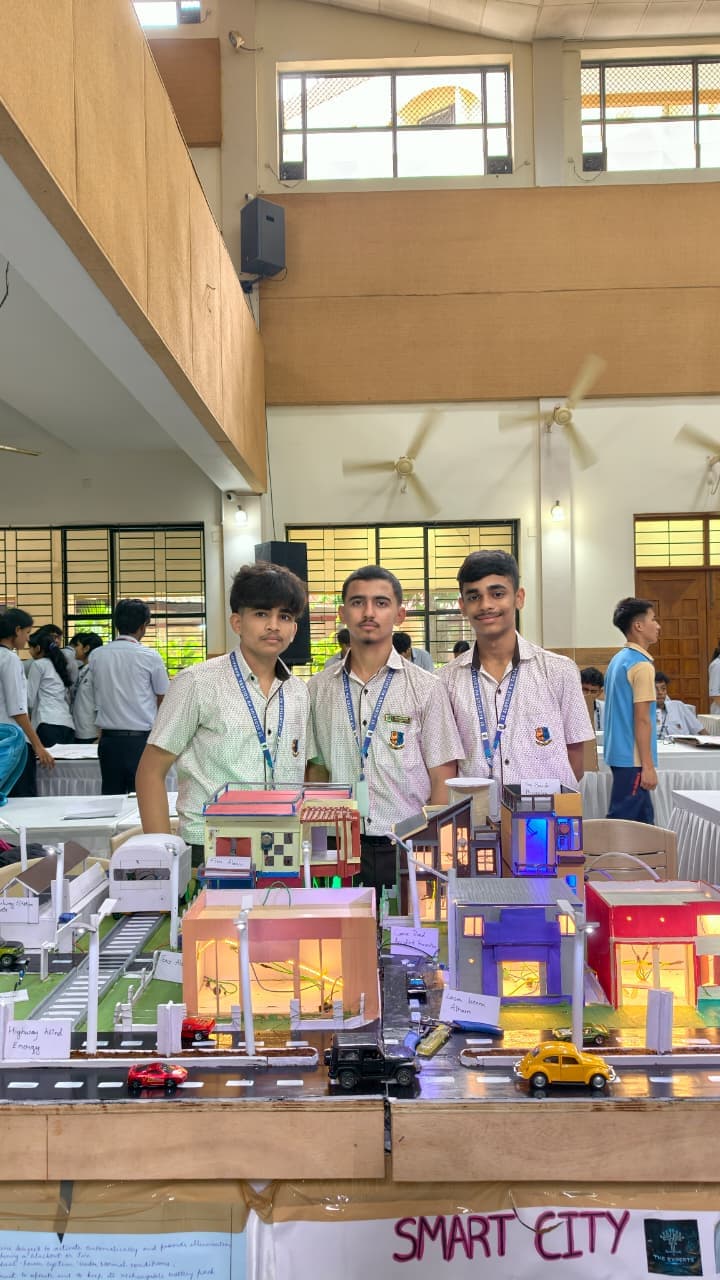
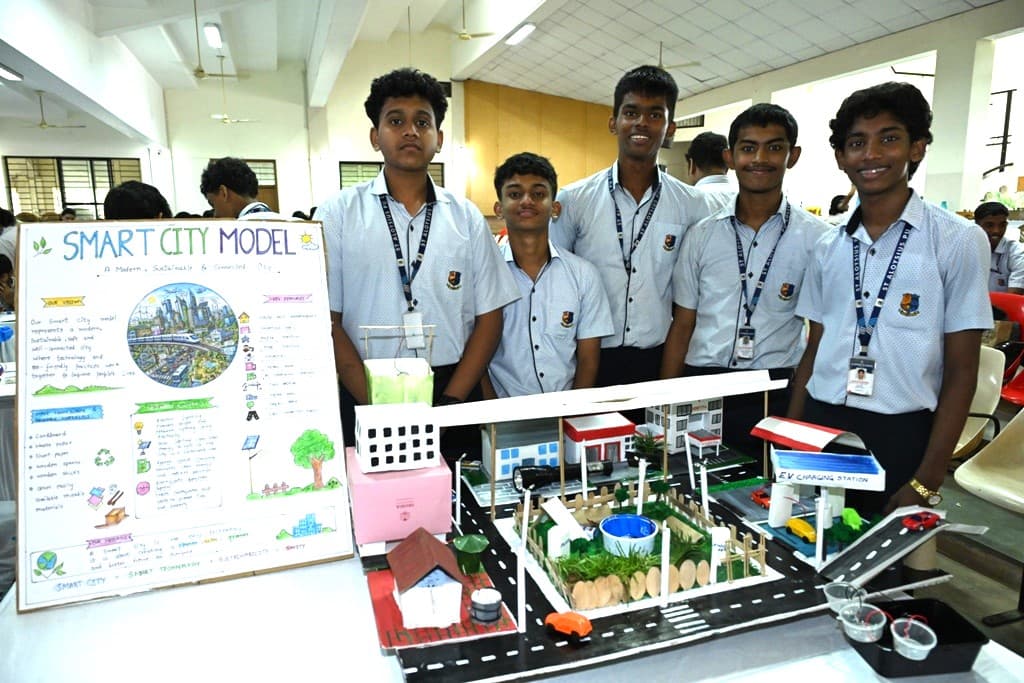
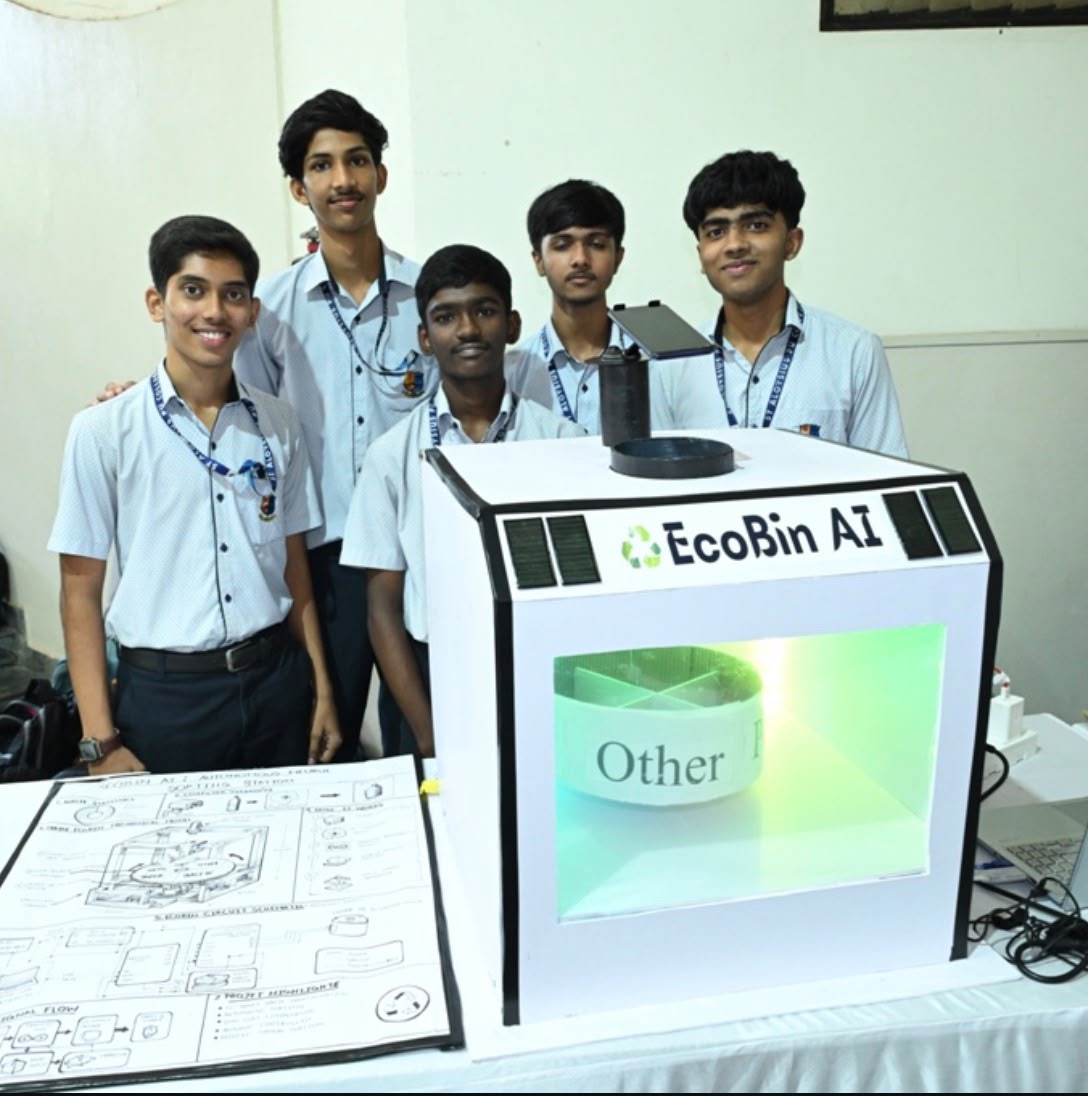
Sustainability was another major focus of the exhibition. Models including Smart Rooftop Garden, Smart Eco Village, Empowering Sustainable Cities, Green Loop, Self-Healing Roads, Renewable Energy for Rural Areas, Smart City, Alternative Fuel Tank System – E20 and Ecobin AI explored ways to conserve resources and promote sustainable development.
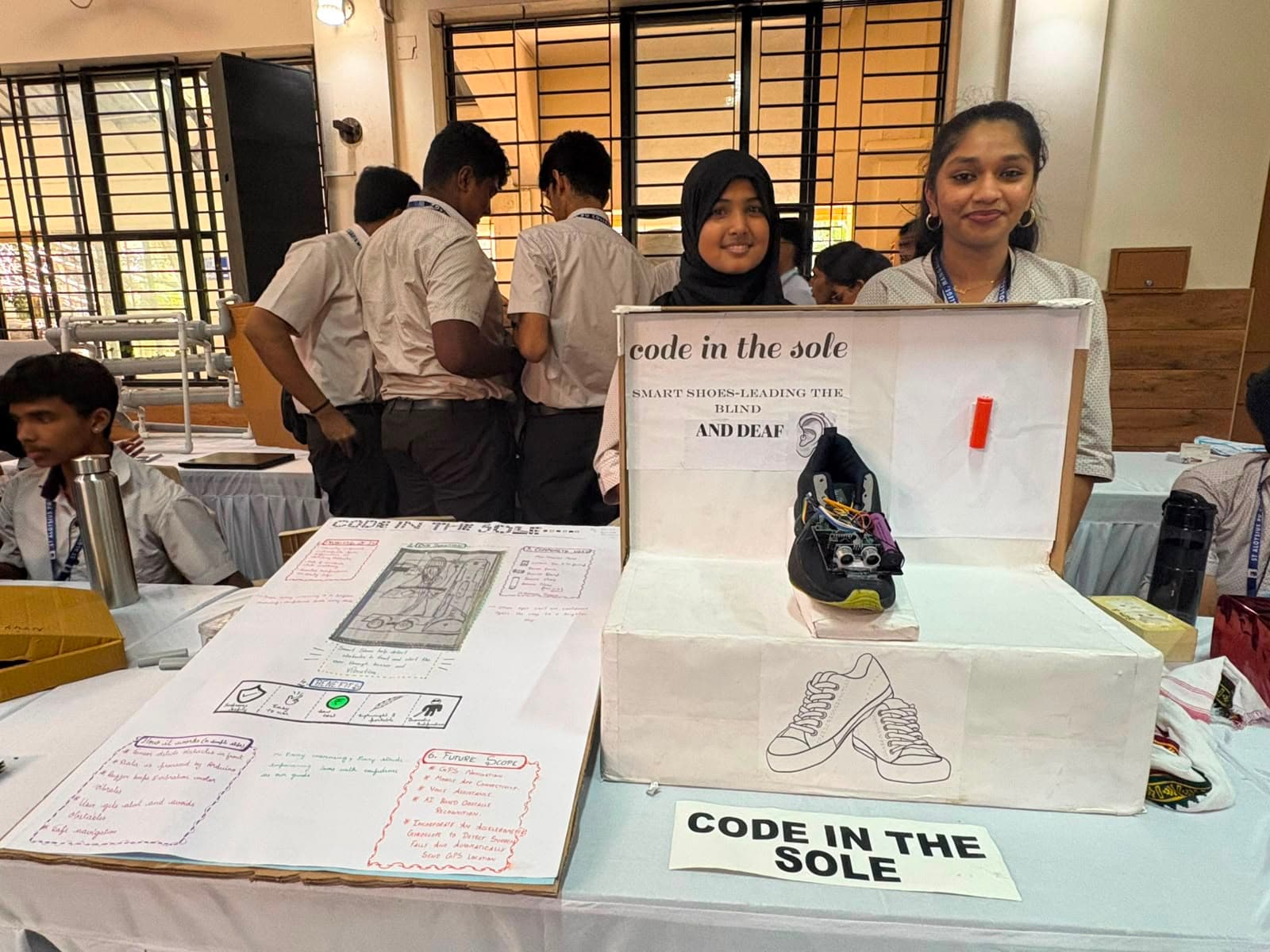
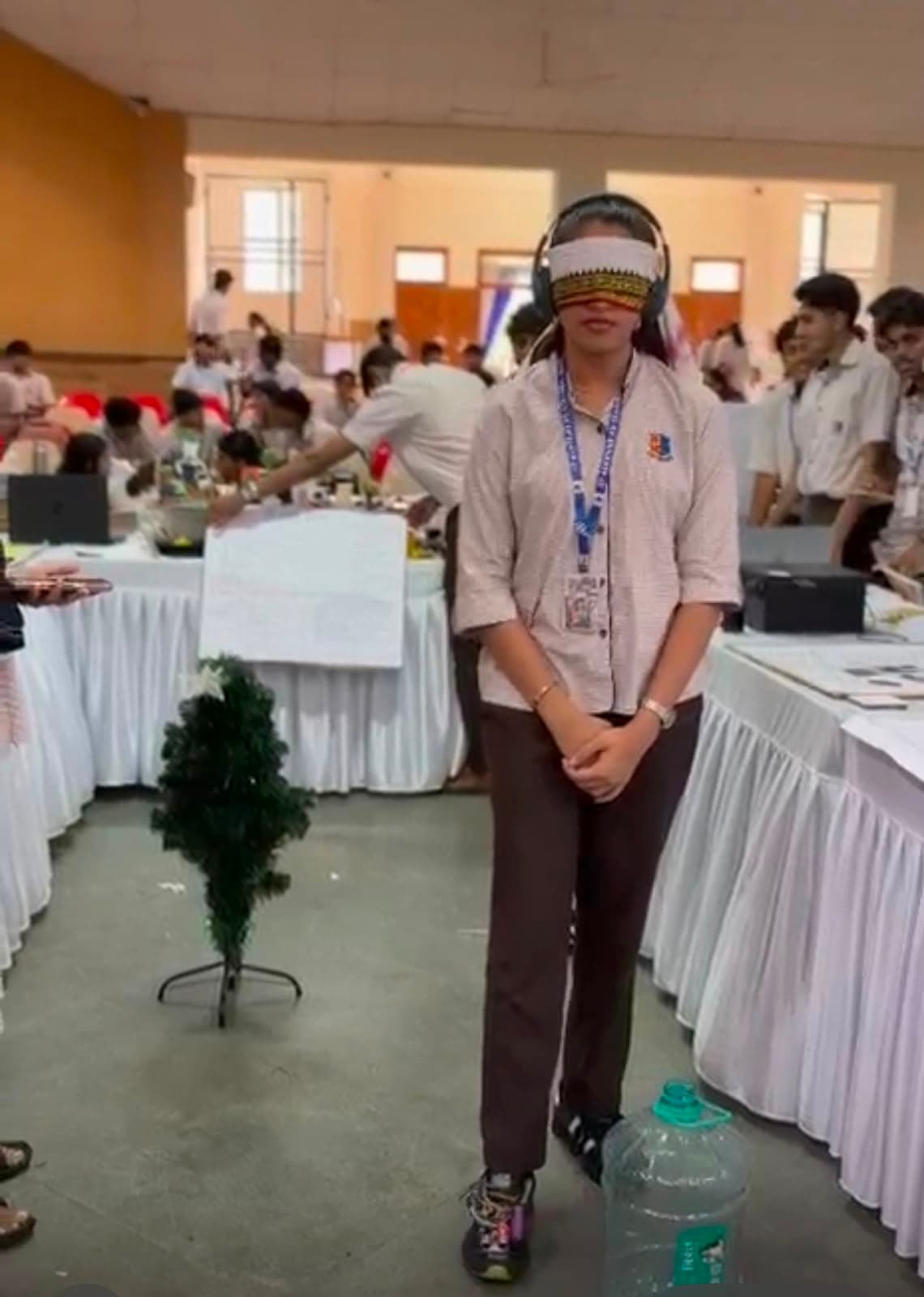
One of the notable projects was Code in the Sole, an assistive smart shoe designed for people with visual impairments. Using an Arduino Nano, ultrasonic sensors and vibration motors, the model detects obstacles and alerts the wearer through vibrations. The project had earlier secured first place at the taluk and district levels and was among the top 10 innovations at a state-level competition in Dharwad.
Another significant exhibit, Trauma Seal, presented a six-layer emergency wound-care patch designed to seal wounds, promote clotting, protect injuries and provide pain relief. A colour-changing indicator was incorporated to alert users to possible infection by responding to changes in the wound environment.
The exhibition also featured a hydroponic farming system, which demonstrated how plants can be cultivated without soil using nutrient-rich water. The project highlighted the potential of hydroponics in addressing limited cultivable land and water scarcity.
Healthcare and assistive technology take centre stage
Students explored several innovative healthcare applications. The Myoelectric Prosthetic Arm Demonstrator used the concept of EMG signals generated by muscle activity to demonstrate how a prosthetic arm could be controlled.
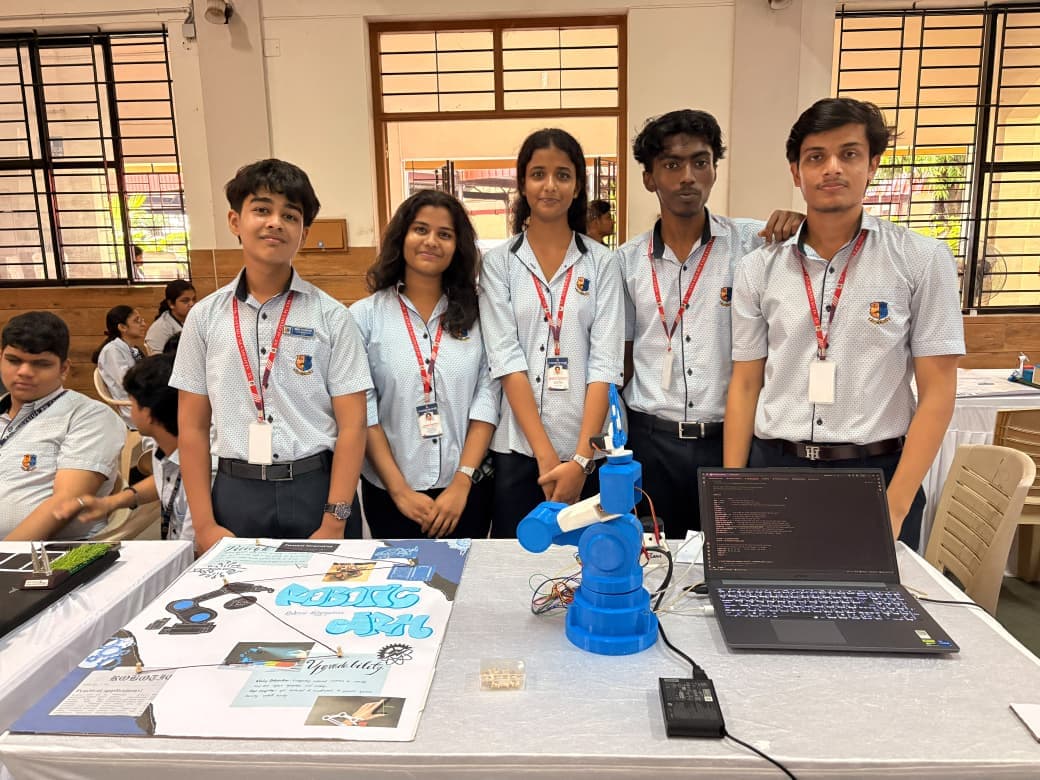
A six-degree-of-freedom Robotic Arm, built using 3D-printed components, servo motors and an ESP32 microcontroller, demonstrated applications of robotics in manufacturing, healthcare and other technology-driven sectors.
Energy-related projects included Footstep Power Generation Using Piezoelectric Discs and Waste Heat to Electricity, which explored ways of converting otherwise wasted mechanical and thermal energy into electrical power.
The Smart Classroom Energy Conservation System used IR and DHT11 sensors with an Arduino to automatically regulate lighting and cooling based on classroom occupancy and temperature. Meanwhile, Li-Fi for Life explored Light Fidelity technology and its potential applications in sectors such as defence and healthcare.
Projects involving probability, statistics, transportation surveys and cricket analysis demonstrated how mathematics and data can be applied to everyday situations. Other models focused on safety and disaster preparedness, including automatic fire extinguishers, flame sensors, disaster management systems and earthquake-resistant structures.
Principal calls for responsible use of technology
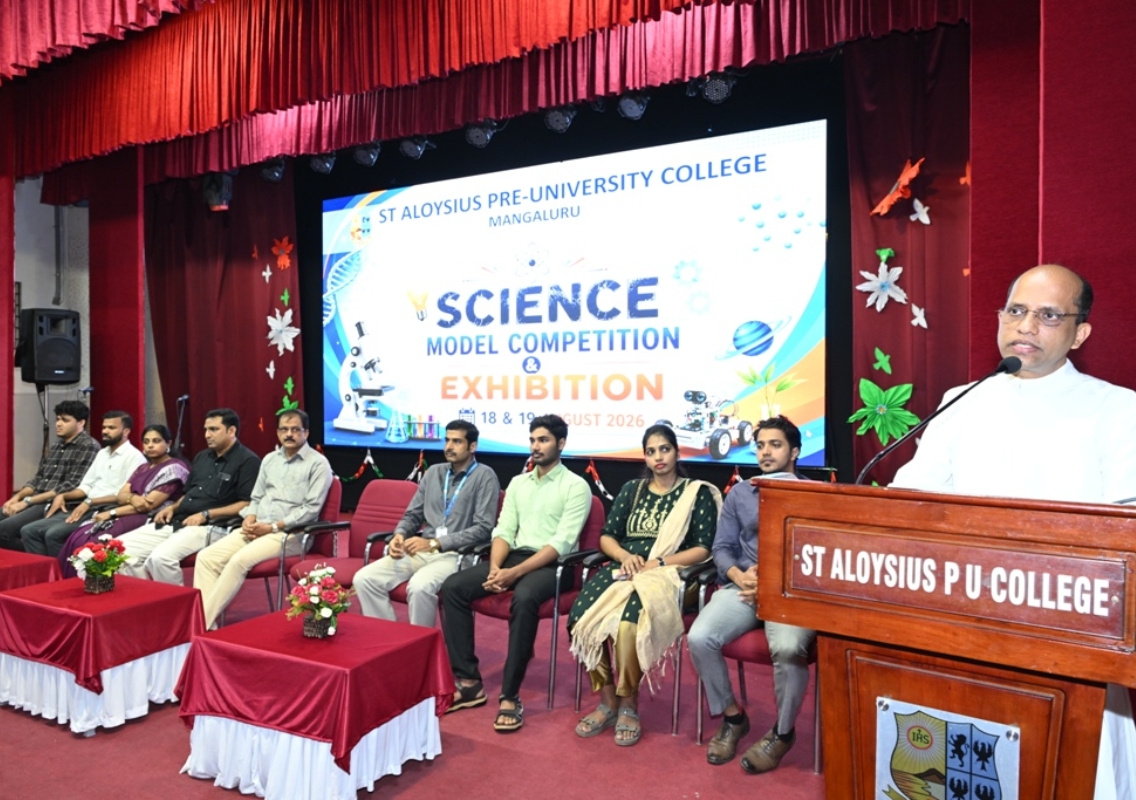
The exhibition was formally inaugurated on August 18 in the presence of faculty and students. Experts from various fields evaluated the exhibits, giving students an opportunity to receive feedback on the scientific principles, practical applications and innovative elements of their projects.
Addressing the students, Rev. Fr Clifford Sequeira SJ, Principal, stressed the importance of scientific enquiry, critical thinking and innovation. Referring to institutions such as the Indian Institute of Science and the Indian Institutes of Technology, he recalled Pandit Jawaharlal Nehru’s vision of premier institutions as the “temples of modern India”.
He encouraged students to view failure as an important part of learning and to approach challenges with perseverance, curiosity and an open mind. He also urged them to use Artificial Intelligence responsibly as a tool for learning and creativity without compromising originality, independent thinking and human ingenuity.
Students were encouraged to become creators and problem-solvers who can use science and technology to address challenges such as pollution, climate change, sustainable energy, food security and public health.
The exhibition was coordinated by student convenors Aarush, Ankith, Aryan, Avin, Cheyenna, Prishel, Sahithya, Shanel Monterio, Shashank, Shawn, Skanda and Vedanth Bhat, along with staff convenors Mr Arun D’Souza, Ms Dulcin Sequeira, Ms Anusha K and Ms Vinitha D’Silva.
& Applied Science, and PCME-14 in Sustainable Living & Smart Society.
Celebrating a growing scientific temper
Genesis 2026 went beyond being an exhibition of science models. It gave students an opportunity to experiment, collaborate, question existing ideas and turn concepts learned in classrooms into practical solutions.
The diversity of projects — from Artificial Intelligence and robotics to healthcare, renewable energy, sustainability, mathematics and disaster management — reflected the growing scientific temper among young learners and their willingness to explore solutions to contemporary challenges.
The two-day event ultimately celebrated curiosity, innovation and scientific enquiry, encouraging students to see science not merely as an academic subject but as a tool for understanding the world and developing solutions for a better, safer and more sustainable future.