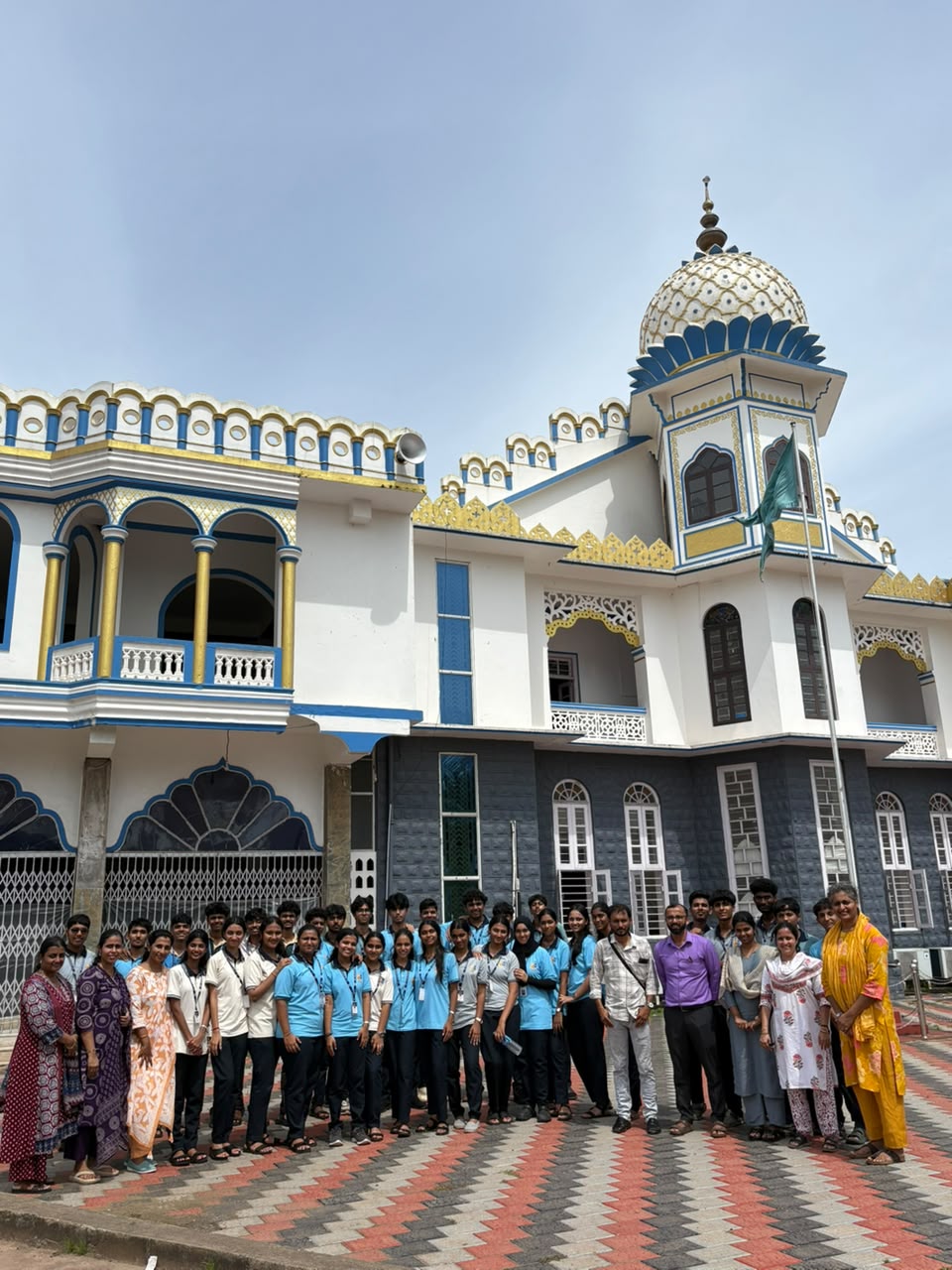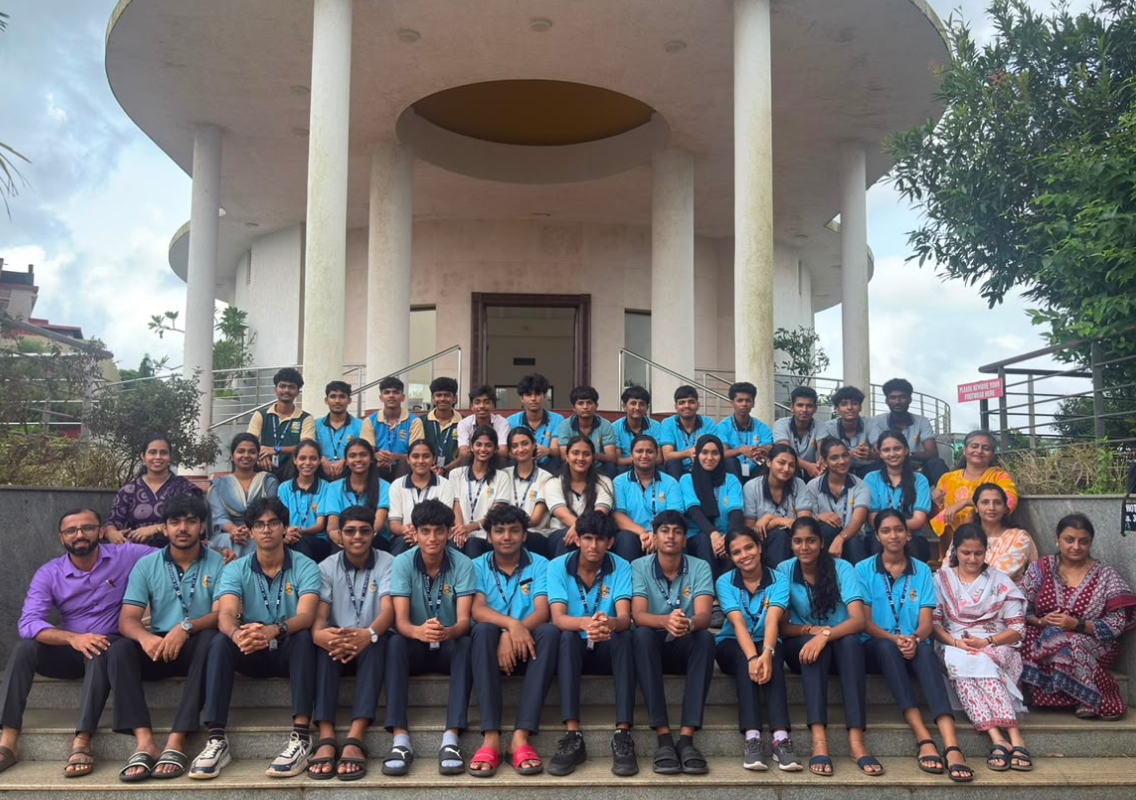


Mangaluru: The Centre for Inter-Religious Harmony (CIRH) of St Aloysius Pre-University College organised an inter-faith visit, taking students across four places of worship and providing them an opportunity to understand different religious traditions through direct interaction, observation and reflection.
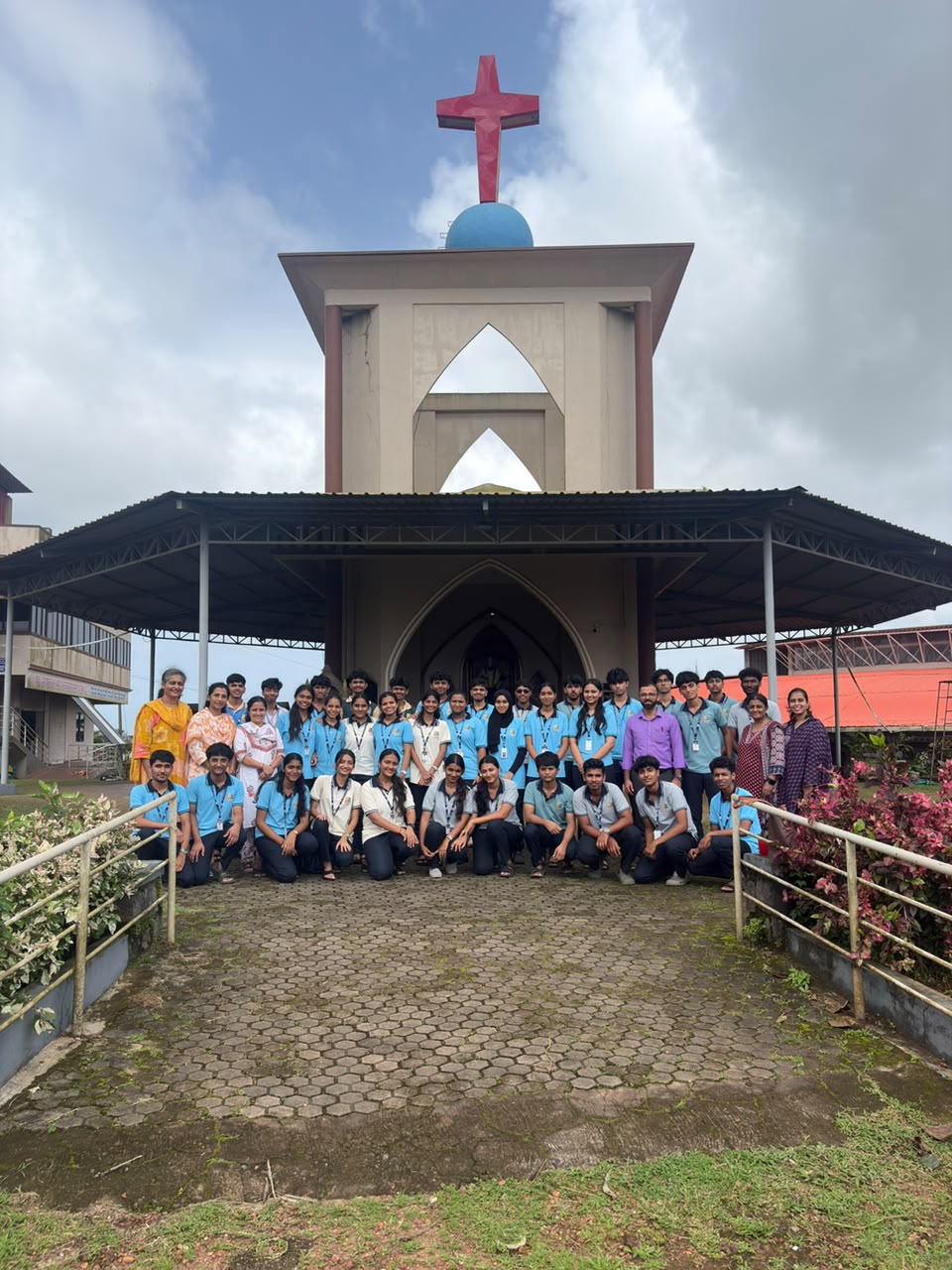
The initiative was designed to encourage students to engage meaningfully with different faith communities and develop a deeper appreciation of religious diversity. The visit included stops at the St Joseph Vaz Shrine in Mudipu, Mudipu Shri Krishna Dhyana Mandir, Shri Somanatha Swamy Temple and Ullal Syed Madani Dargah.
Students learn about the St Joseph Vaz Shrine
The visit began at the St Joseph Vaz Shrine, Mudipu, where the students were introduced to the history and spiritual significance of the shrine. They learnt about its importance as a place of faith and pilgrimage and were also introduced to the miracle associated with the shrine.
The interaction provided students with an opportunity to understand the role of faith and devotion in the lives of pilgrims and the significance attached to religious places by their respective communities.
Meditation and reflection at Shri Krishna Dhyana Mandir
The students next visited the Mudipu Shri Krishna Dhyana Mandir. The serene surroundings provided an opportunity for meditation and personal reflection.
The visit enabled the students to gain a better understanding of Hindu spiritual practices and traditions. Rather than simply observing the place of worship, the students were encouraged to reflect on the spiritual practices and values associated with it.
Understanding temple traditions at Shri Somanatha Swamy Temple
The third destination was the Shri Somanatha Swamy Temple, where the priest and temple in-charge welcomed the students and interacted with them.
The students learnt about the history and heritage of the temple, along with its religious practices and significance to the local community. The interaction allowed them to ask questions and gain insights into traditions associated with the temple.
Lunch was served to the participants following the visit.
Students explore Islamic traditions at Ullal Syed Madani Dargah
The final destination of the inter-faith visit was the Ullal Syed Madani Dargah. Here, the students learnt about the history and significance of the dargah and were introduced to various aspects of Islamic traditions and practices.
The visit provided another opportunity for students to engage directly with a faith tradition different from their own and understand its practices and cultural significance.
Promoting dialogue and mutual respect
For the students, the programme went beyond visiting places of worship. It provided an opportunity to meet people from different faith communities, listen to their perspectives, ask questions and develop a deeper understanding of traditions that may differ from their own.
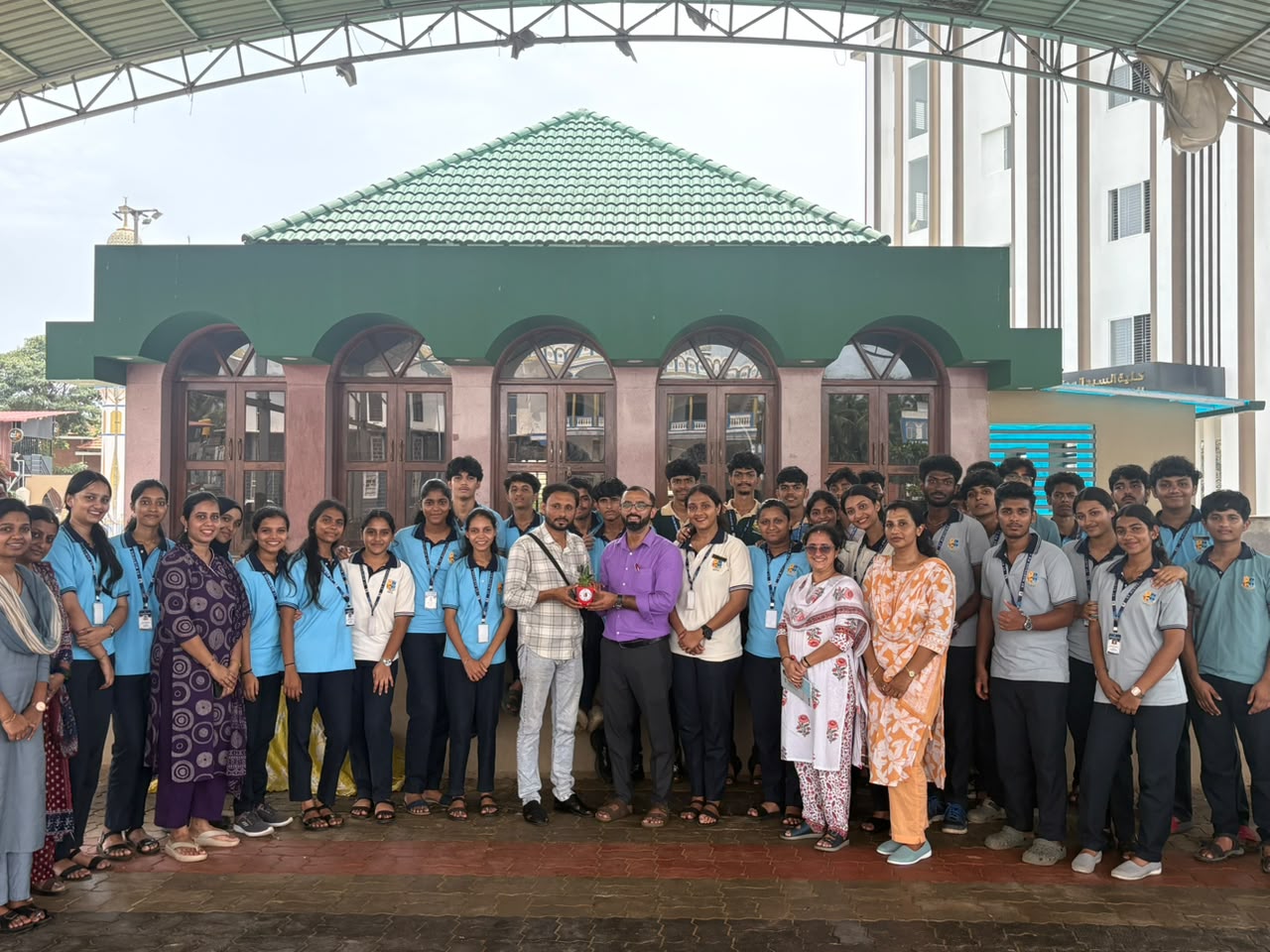
The programme reflected the Jesuit educational emphasis on discernment, respect for diversity, Cura Personalis, and becoming men and women for and with others. Through direct engagement with different faith communities, CIRH sought to nurture openness, empathy, mutual respect and responsible citizenship among the students.
The experience also demonstrated the importance of meaningful interaction in promoting understanding. By visiting different places of worship and engaging with members of various faith communities, students were able to move beyond theoretical knowledge and encounter religious diversity through personal experience.
Building a culture of harmony
The inter-faith visit conveyed a simple yet significant message: harmony grows when people take the time to meet, listen, understand and respect one another.
For the students of St Aloysius PU College, the experience offered more than an introduction to different religious traditions. It encouraged them to recognise shared human values while appreciating the diversity of beliefs, practices and spiritual expressions around them.
The initiative by the Centre for Inter-Religious Harmony thus contributed to the college’s efforts to nurture young people who are open to dialogue, respectful of differences and committed to peaceful coexistence and responsible participation in society.