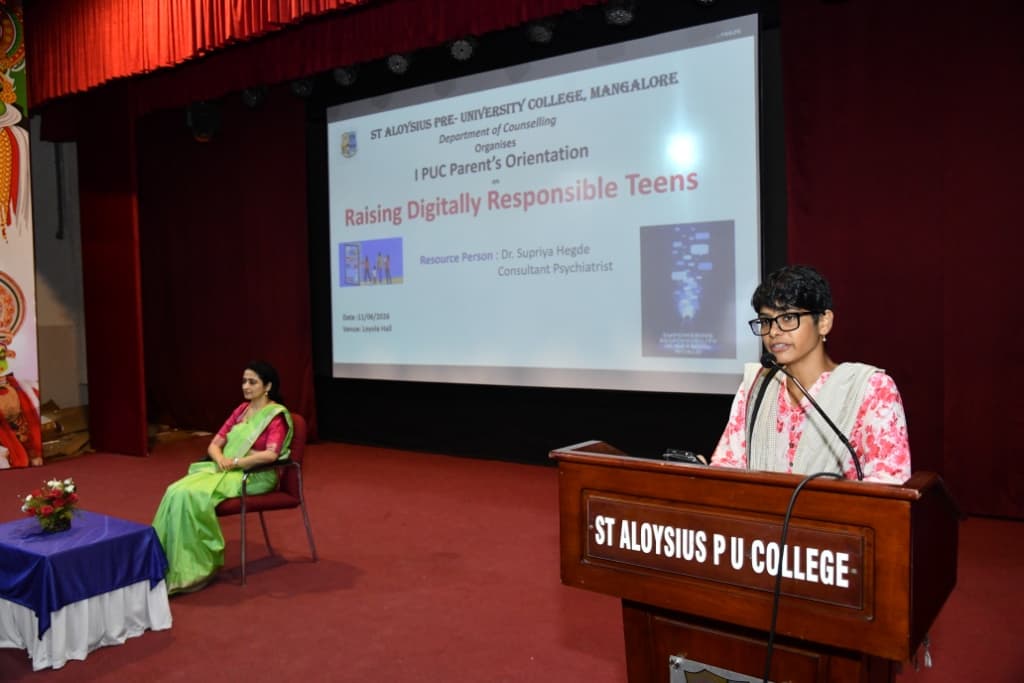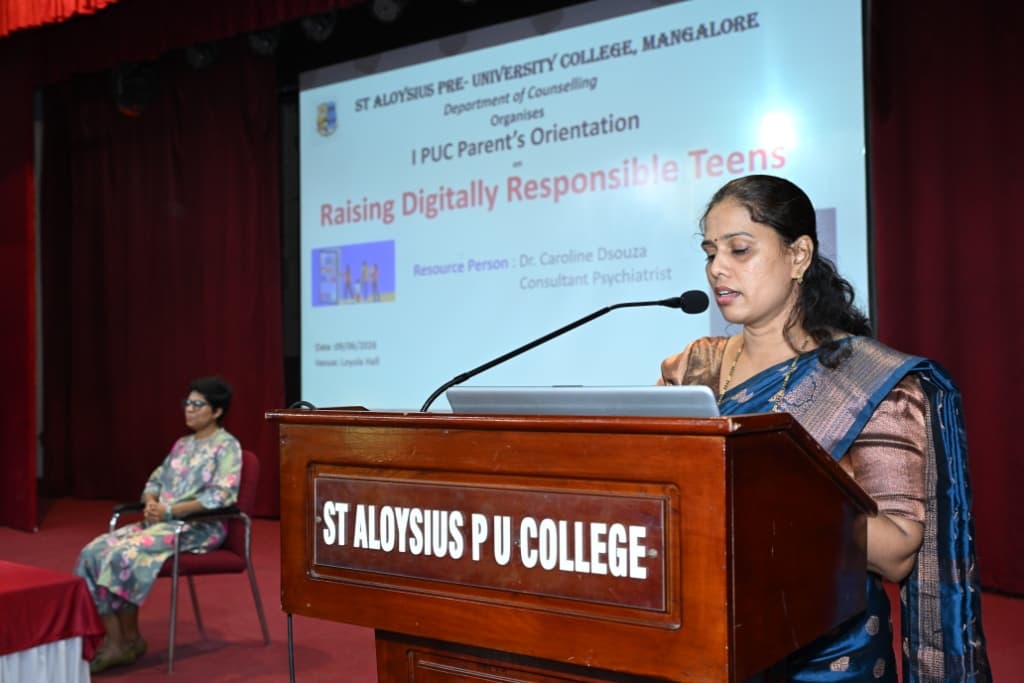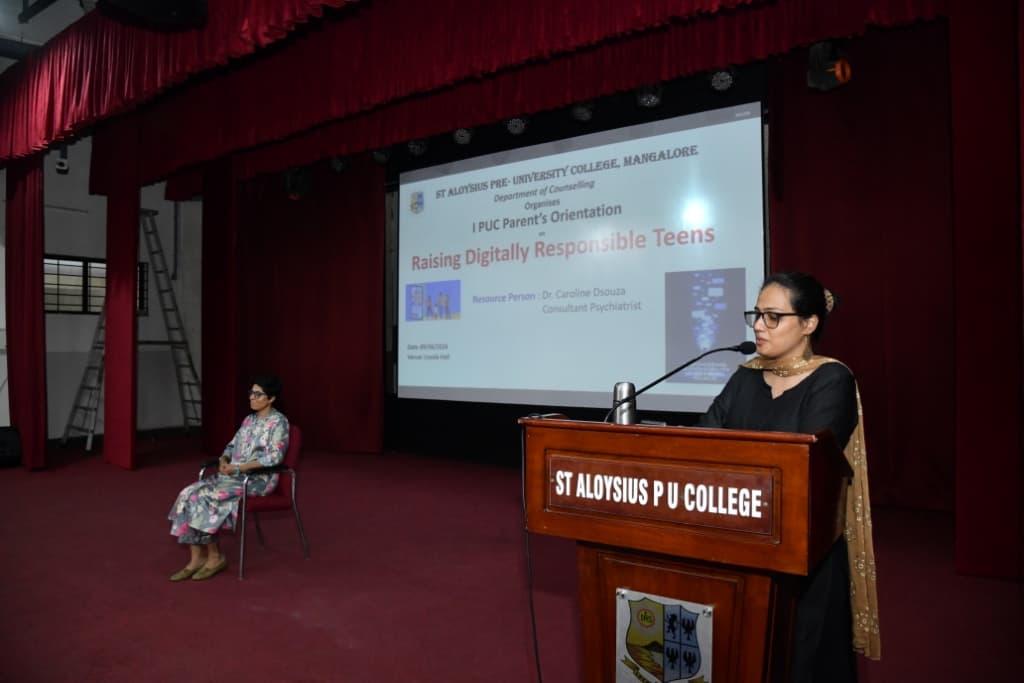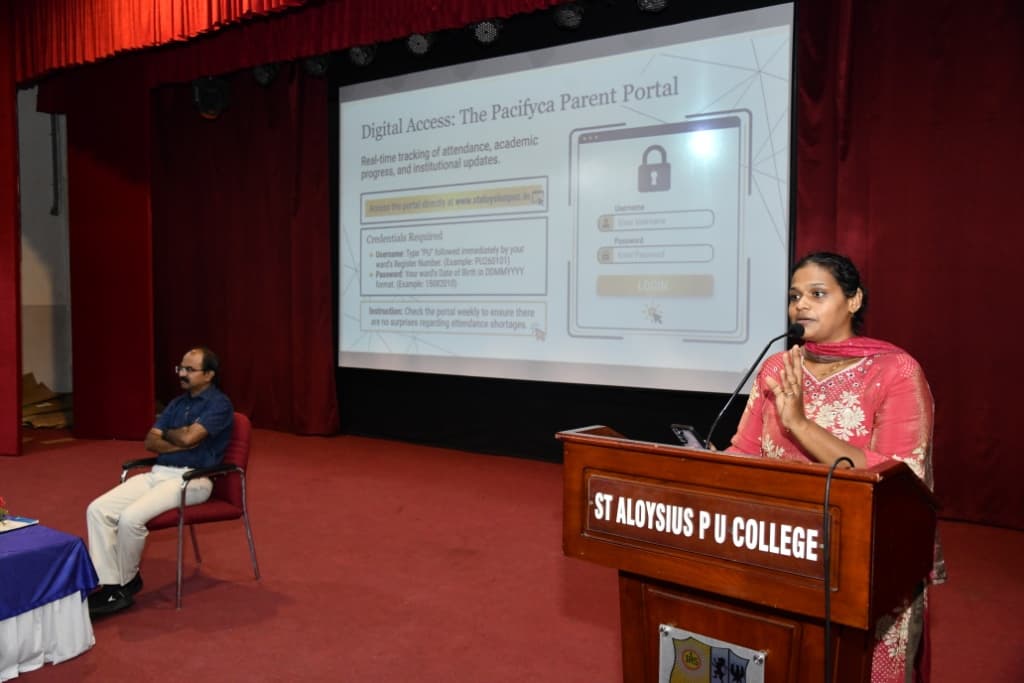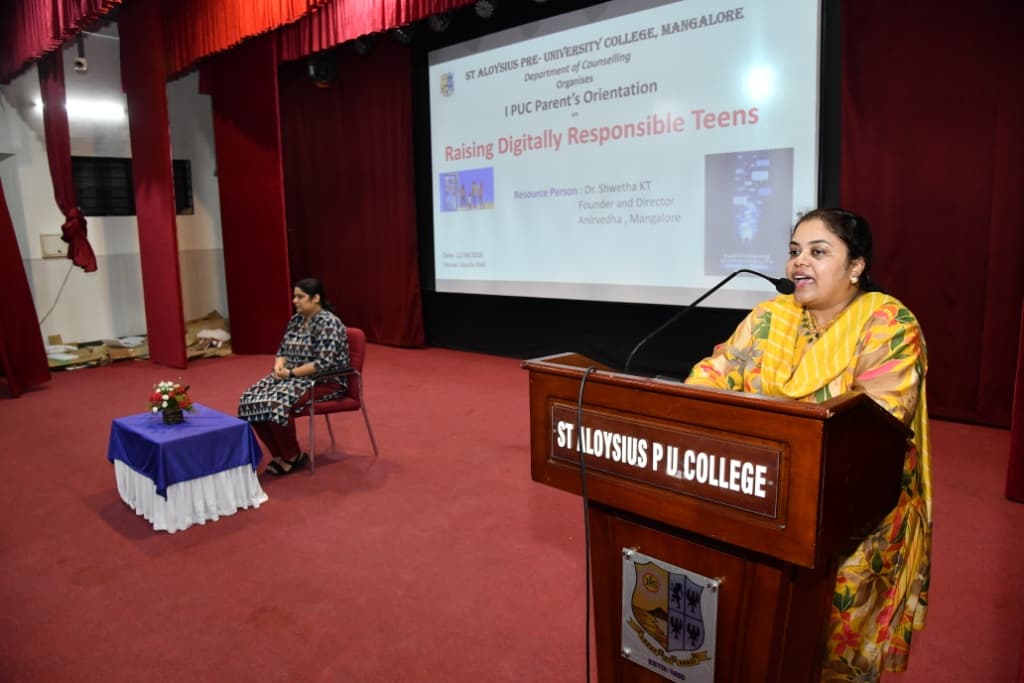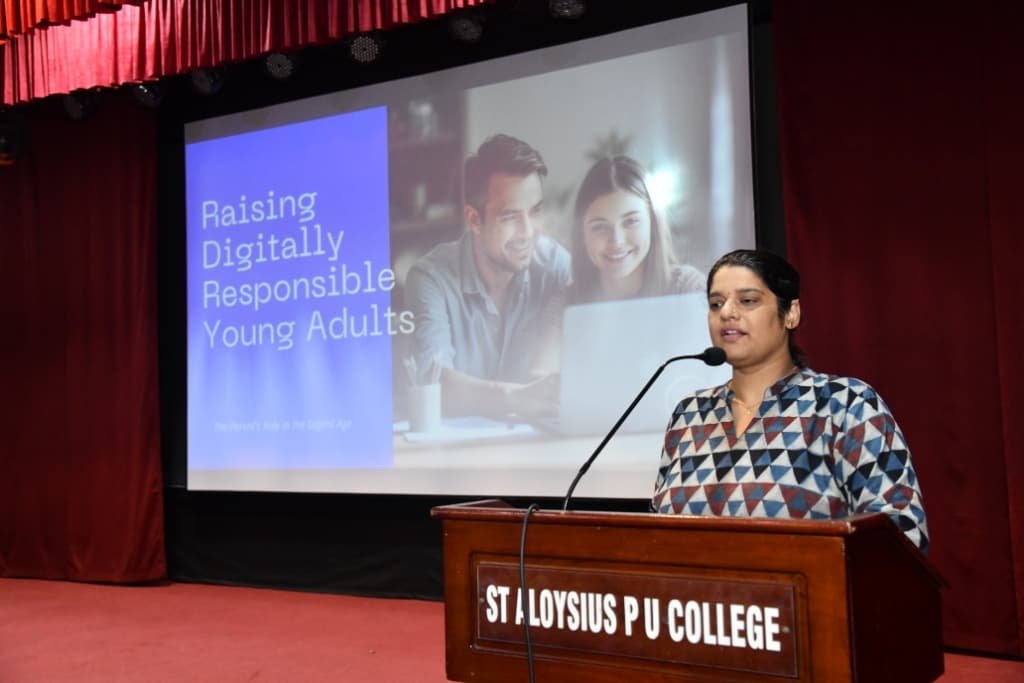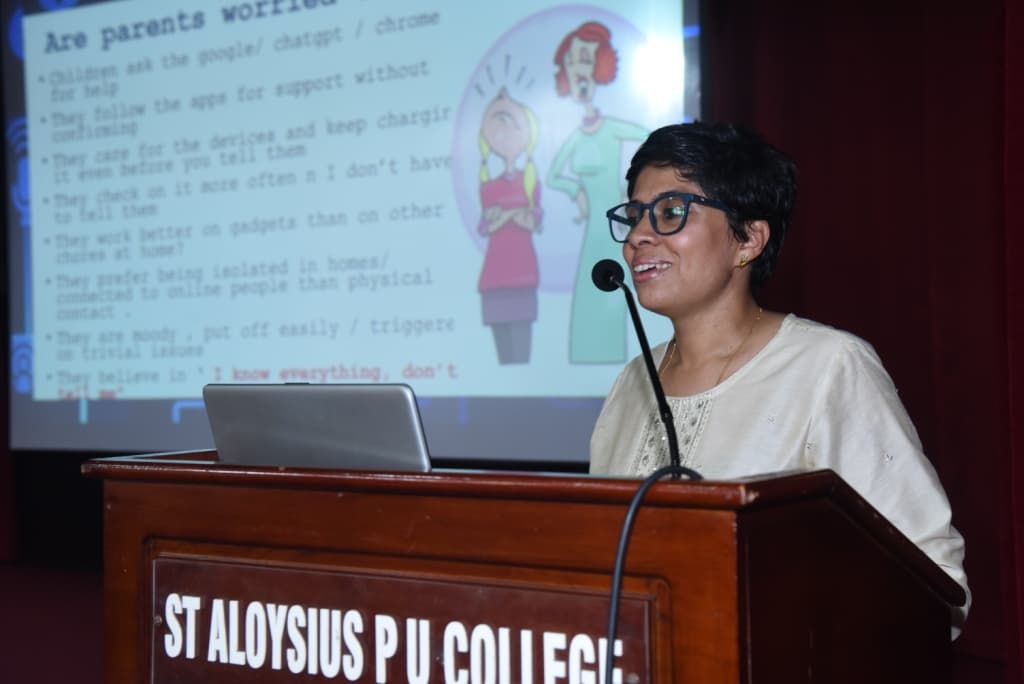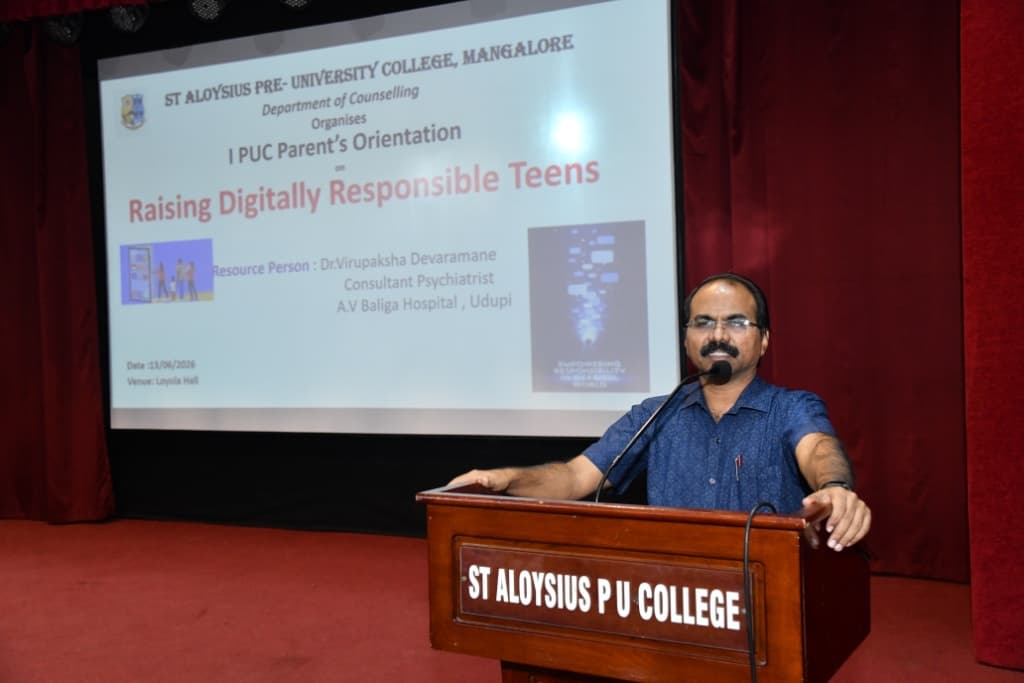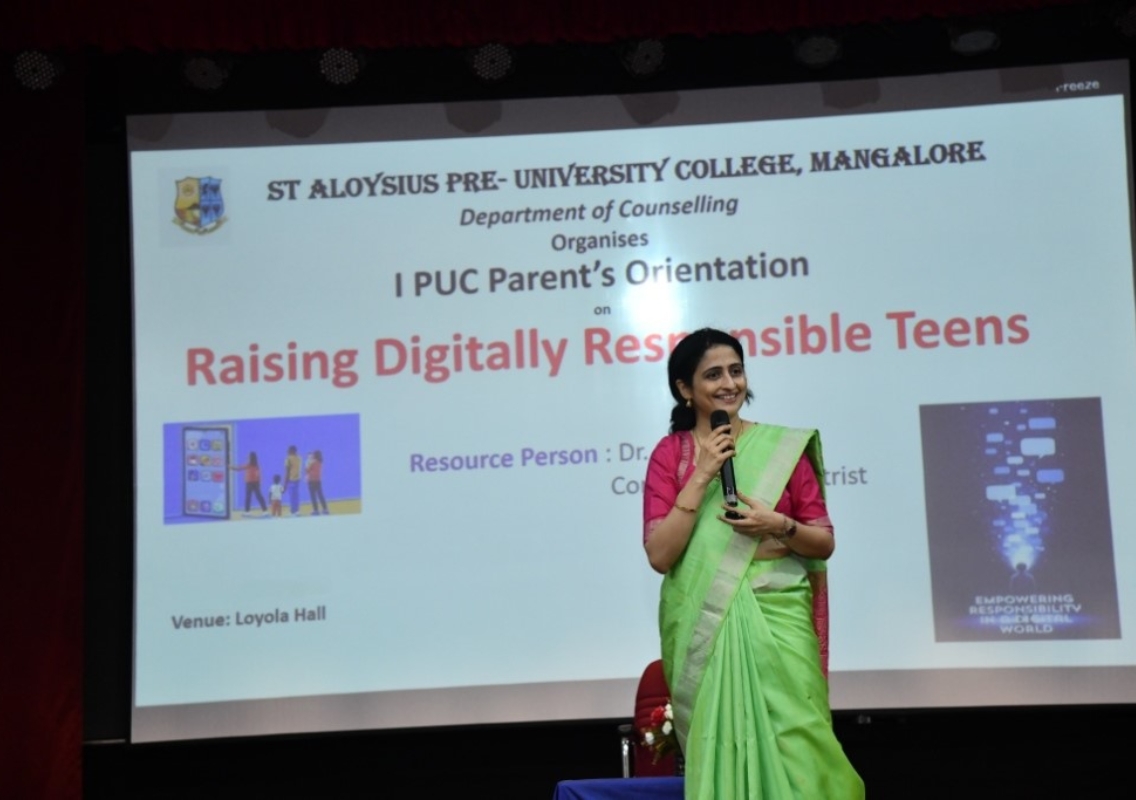


Mangaluru: St Aloysius Pre-University College organised a series of parenting sessions on the theme “Raising Digitally Responsible Teenagers,” equipping parents with the knowledge and practical strategies needed to guide adolescents through the opportunities and challenges of the digital age.
The initiative, organised by the Department of Counselling, highlighted the institution’s commitment to fostering strong parent-teacher collaboration and creating a supportive environment for student well-being and holistic development.
The sessions featured eminent experts including Dr. Caroline P. D’Souza, Consultant Neuro-Psychiatrist; Dr. Supriya Hegde Aroor, Professor and Head of the Department of Psychiatry at Father Muller Medical College and Consultant Psychiatrist; Dr. K.T. Shwetha, Mental Health Professional and Founder of Anirvedha – Resource Center for Psychological Well-being; and Dr. Virupaksha Devaramane, Consultant Psychiatrist and author.
Experts highlight digital-age parenting challenges
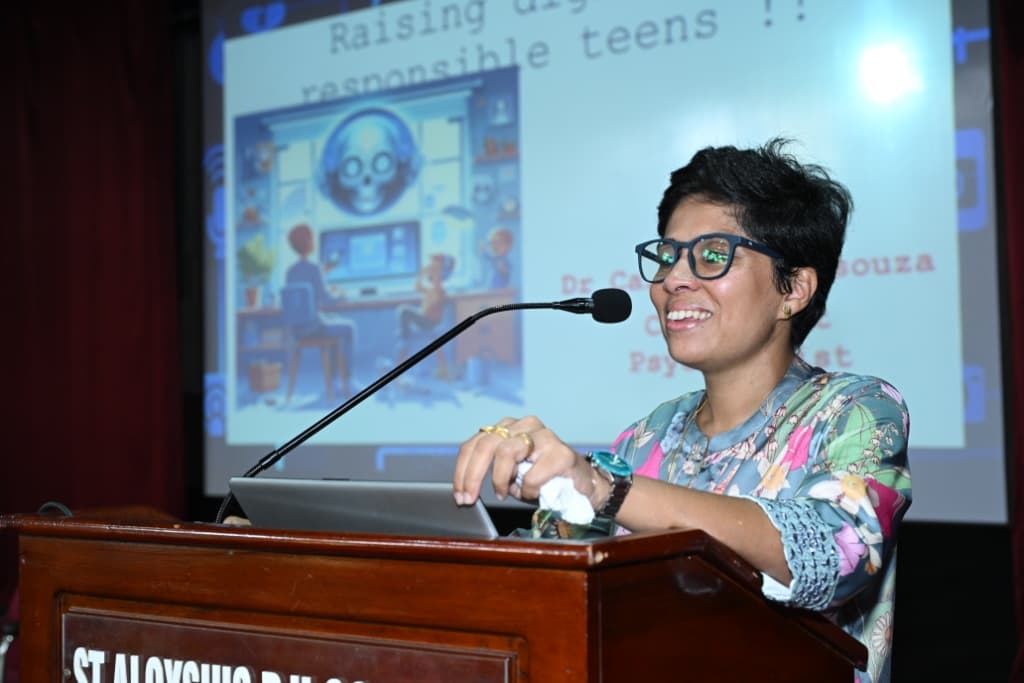
Addressing the gathering, Dr. Caroline P. D’Souza spoke about the mental health risks associated with early and prolonged digital exposure.
She explained how excessive screen time and unhealthy social media habits can negatively affect emotional well-being, concentration, and interpersonal relationships among adolescents. She encouraged parents to become a dependable source of support by maintaining open communication and fostering a non-judgmental environment at home.
Dr. D’Souza also cautioned against unrestricted use of e-banking and e-commerce platforms by teenagers and stressed the importance of healthy offline routines, including exercise and shared family activities, to reduce digital dependency.
Importance of digital hygiene and prevention
Dr. Supriya Hegde Aroor addressed the growing concern of digital addiction among adolescents and highlighted the increasing prevalence of excessive screen usage.
She emphasised the need for preventive measures to address challenges such as gaming addiction, exposure to inappropriate online content, and substance abuse. Advising parents to establish clear digital boundaries, she underscored the importance of responsible gadget ownership, age-appropriate privacy settings, and healthy digital habits.
She also encouraged practices such as digital detoxification, setting screen-time limits, and modelling responsible technology use within families.
Building stronger emotional connections
Dr. K.T. Shwetha focused on the concept of informed parenting and encouraged parents to build strong emotional bonds with their children.
Highlighting the principle “Connect Before You Correct,” she stressed the importance of understanding adolescent behaviour before imposing discipline. She also urged parents to stay informed about social media trends and recognise early signs of digital addiction.
Dr. Shwetha explained that adolescence is a period of significant brain development characterised by heightened emotions, risk-taking behaviour, and peer sensitivity. Understanding these changes, she noted, enables parents to respond with greater empathy and effectiveness.
Balancing guidance and independence
Dr. Virupaksha Devaramane spoke about the evolving role of parents during different stages of a child’s development.
He emphasised the importance of balancing guidance, trust, and understanding while nurturing adolescents. Encouraging parents to maintain open communication and emotional availability, he noted that effective parenting is not about constant monitoring but about creating a safe environment where children feel comfortable seeking guidance.
He also stressed the need to help teenagers develop independent decision-making skills and a sense of accountability.
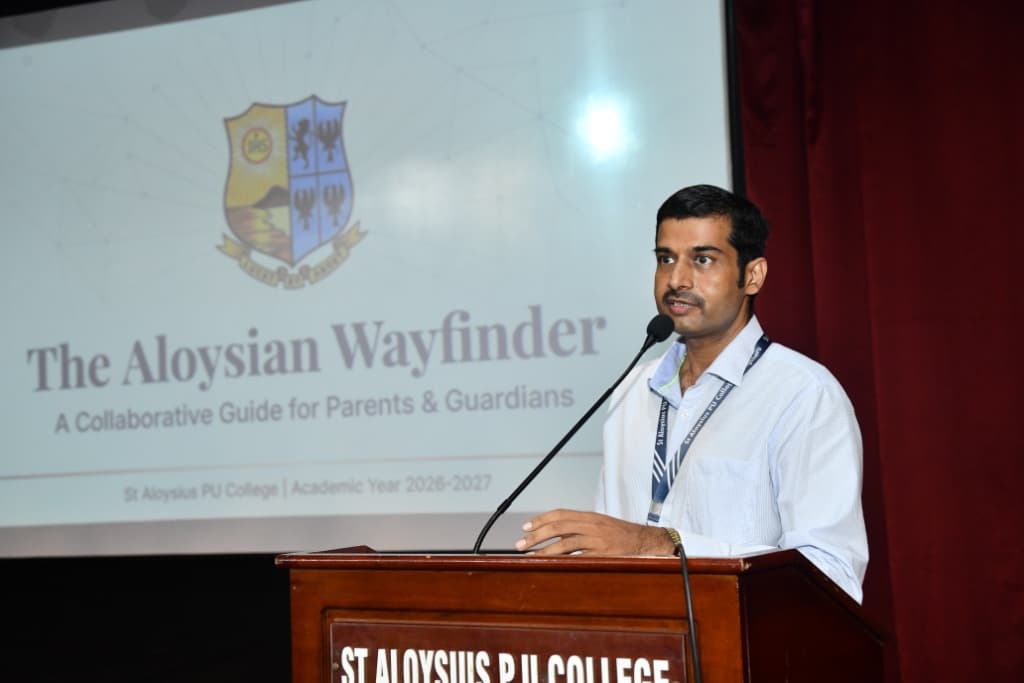
Vice Principal (Science) Muralikrishna G.M. addressed parents on their crucial role in supporting students throughout their two-year journey at St Aloysius PU College. He emphasised that active parental involvement and close collaboration with the institution are essential for nurturing confident, responsible, and well-rounded individuals.
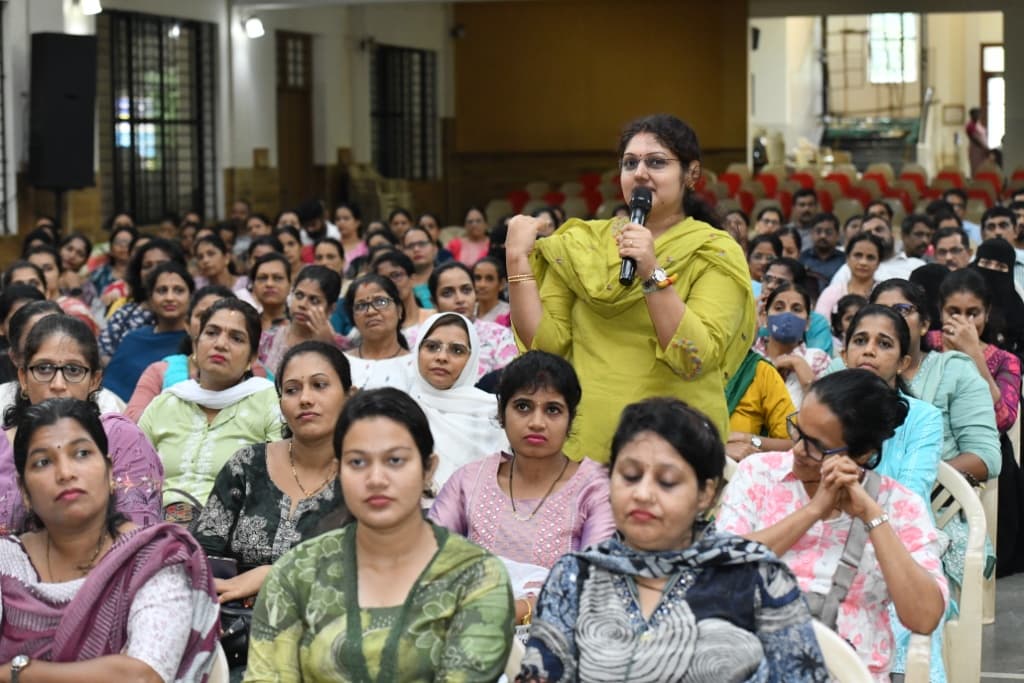
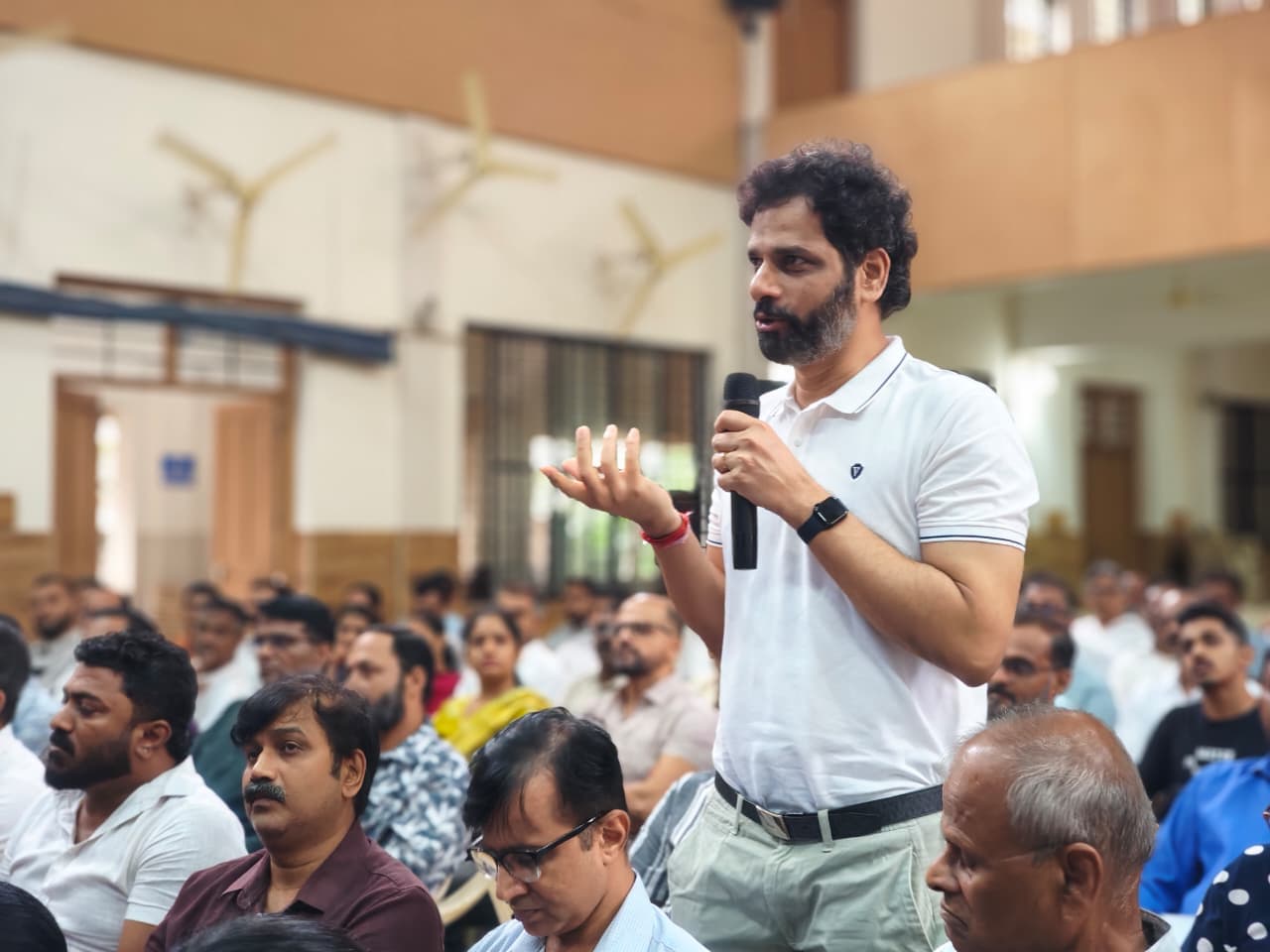
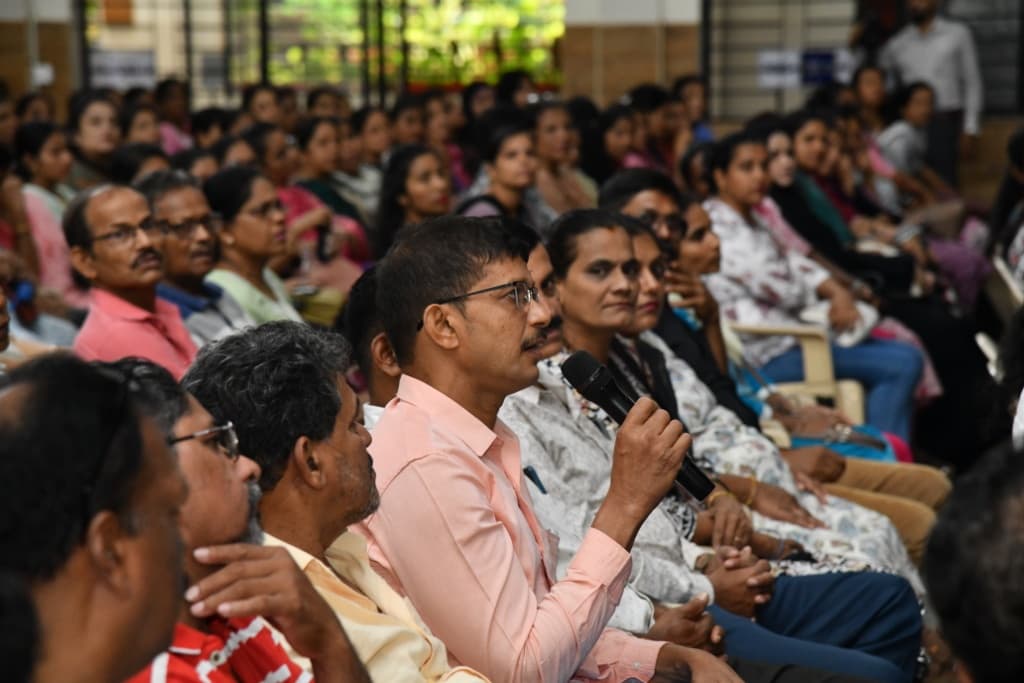
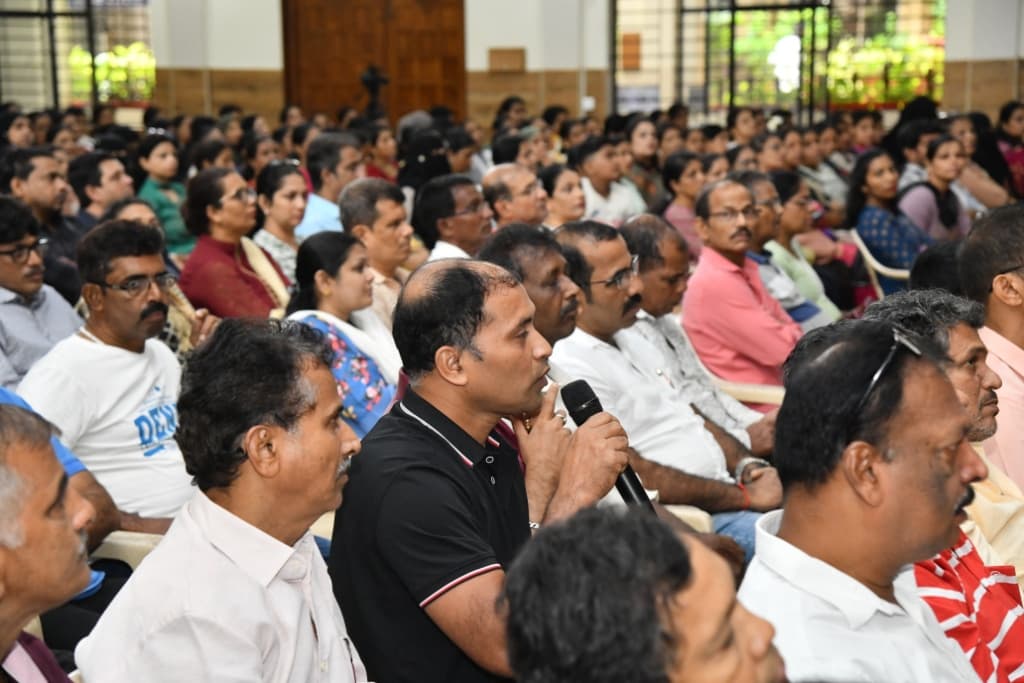
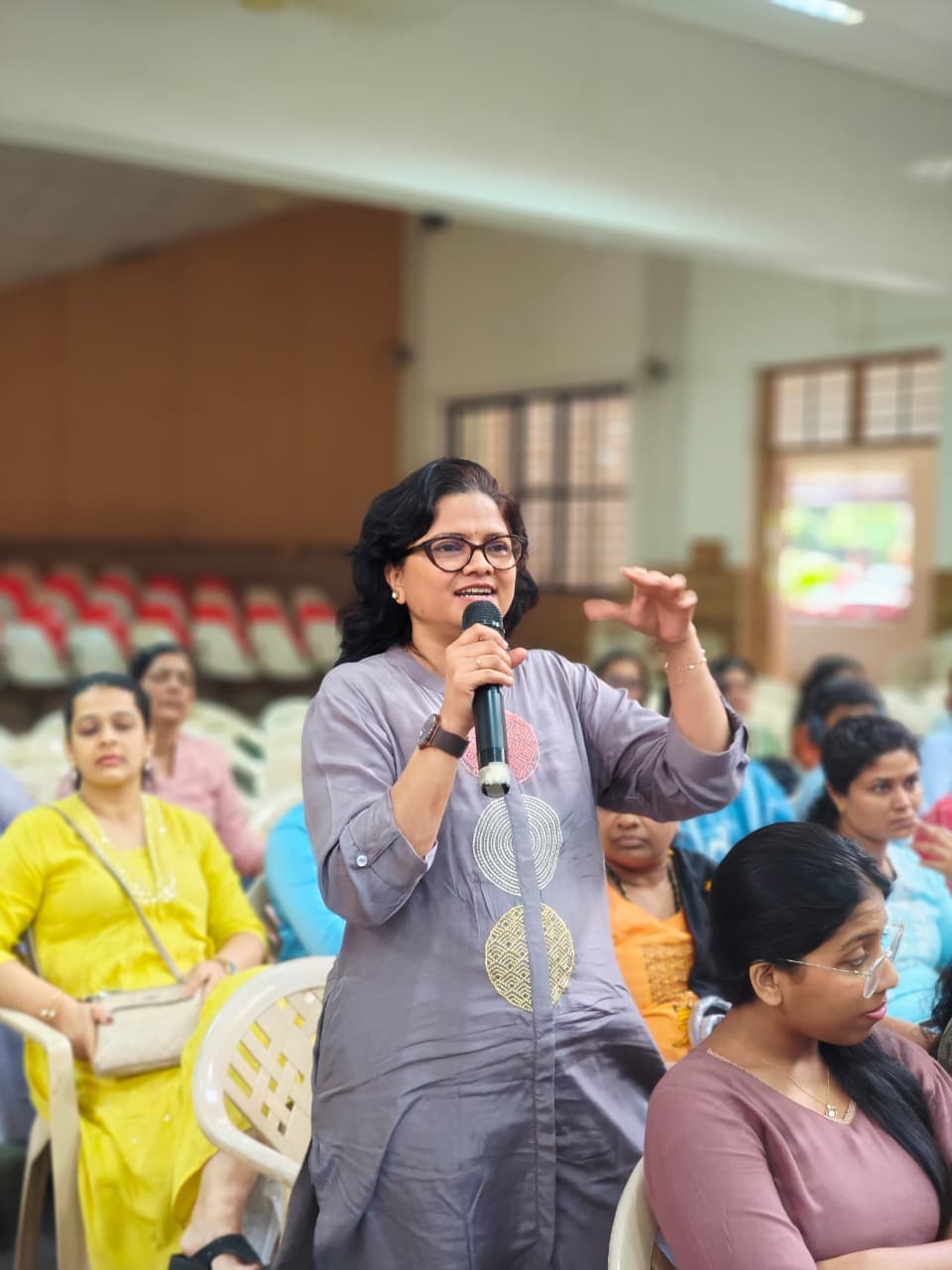
The highly interactive sessions provided parents with opportunities to share experiences, discuss concerns, and seek expert guidance on parenting challenges in the digital era.
The programme concluded with participants gaining valuable insights into adolescent development, digital well-being, emotional resilience, and practical strategies for fostering responsible online behaviour and informed decision-making among teenagers.