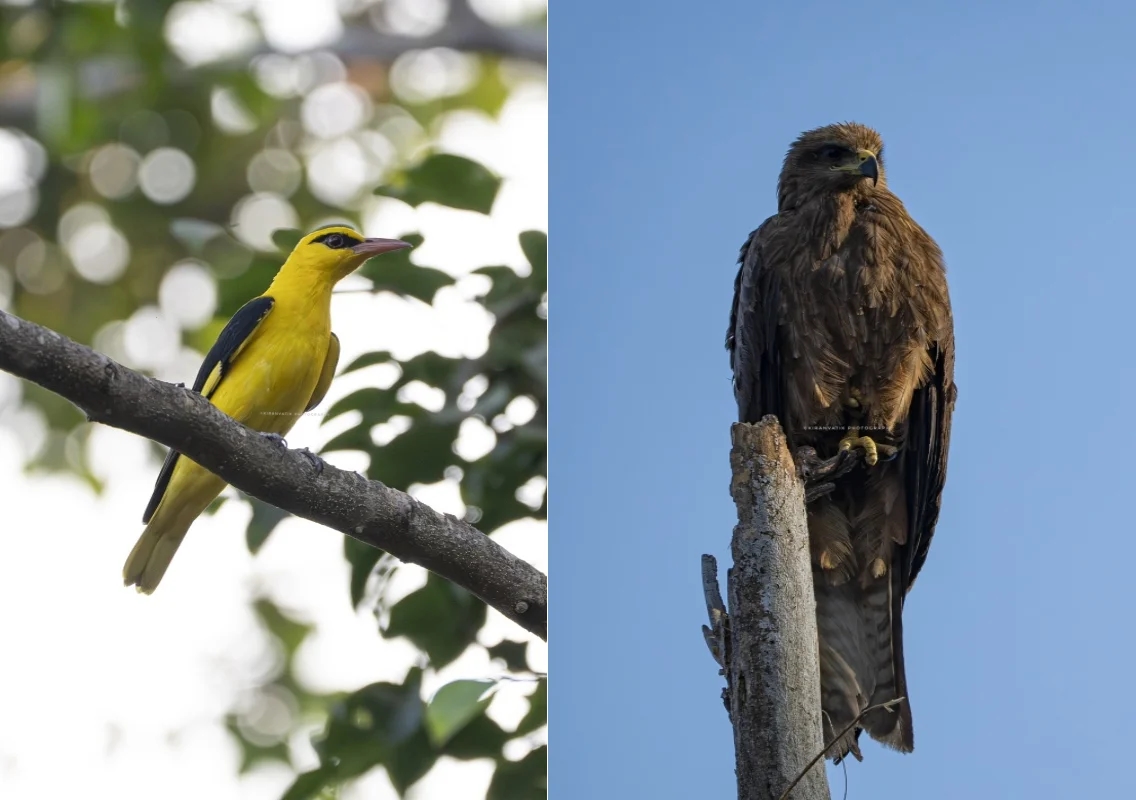


Mangaluru: St Aloysius (Deemed to be University) successfully conducted the Campus Bird Count 2026 from February 13 to 16 as part of the nationwide Great Backyard Bird Count organised by Bird Count India in collaboration with eBird.
The four-day biodiversity survey documented 32 bird species within the institution’s 145-year-old, 37-acre green campus situated in the heart of Mangaluru.
Systematic Survey and Participation
The Campus Bird Count was conducted under the guidance of Mr Kiran Vati K and Mr Glavin Thomas Rodrigues, Assistant Professors in the Department of Zoology, with active participation from faculty members and students. The survey involved systematic observation and documentation across diverse habitat patches within the campus.
The institution has been consistently contributing to national citizen science databases through its participation in the Campus Bird Count initiative since 2019.
Notable Species Recorded
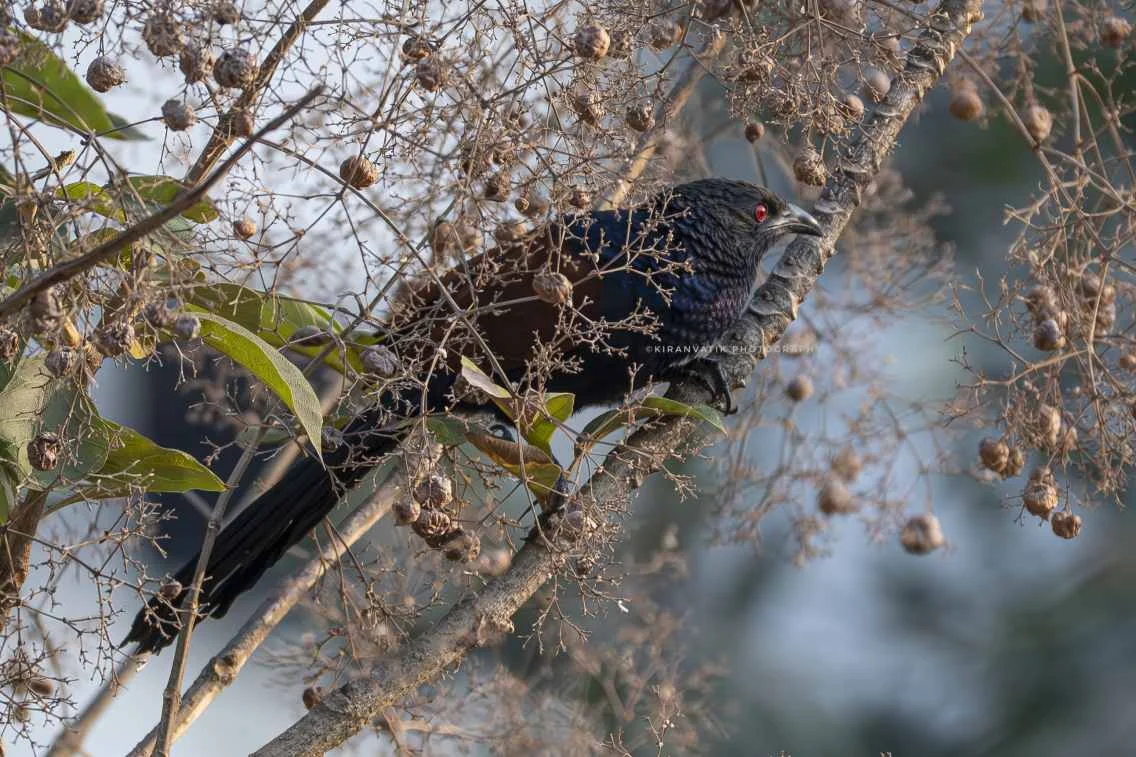
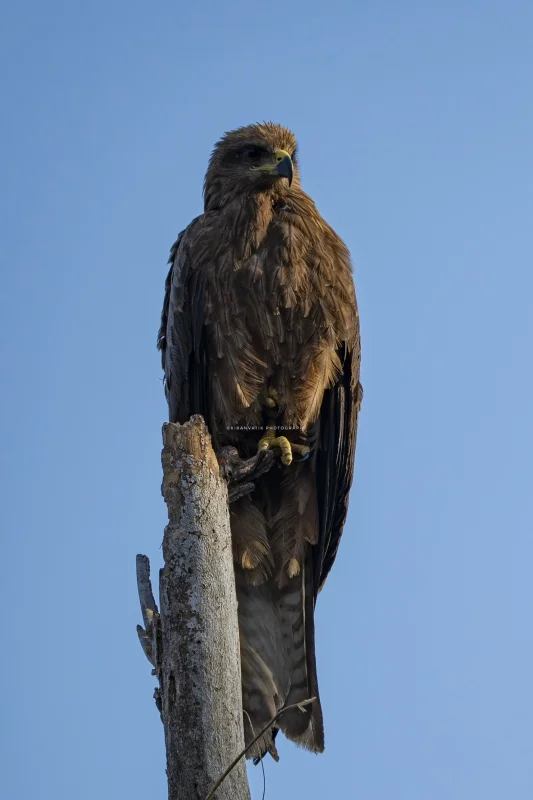
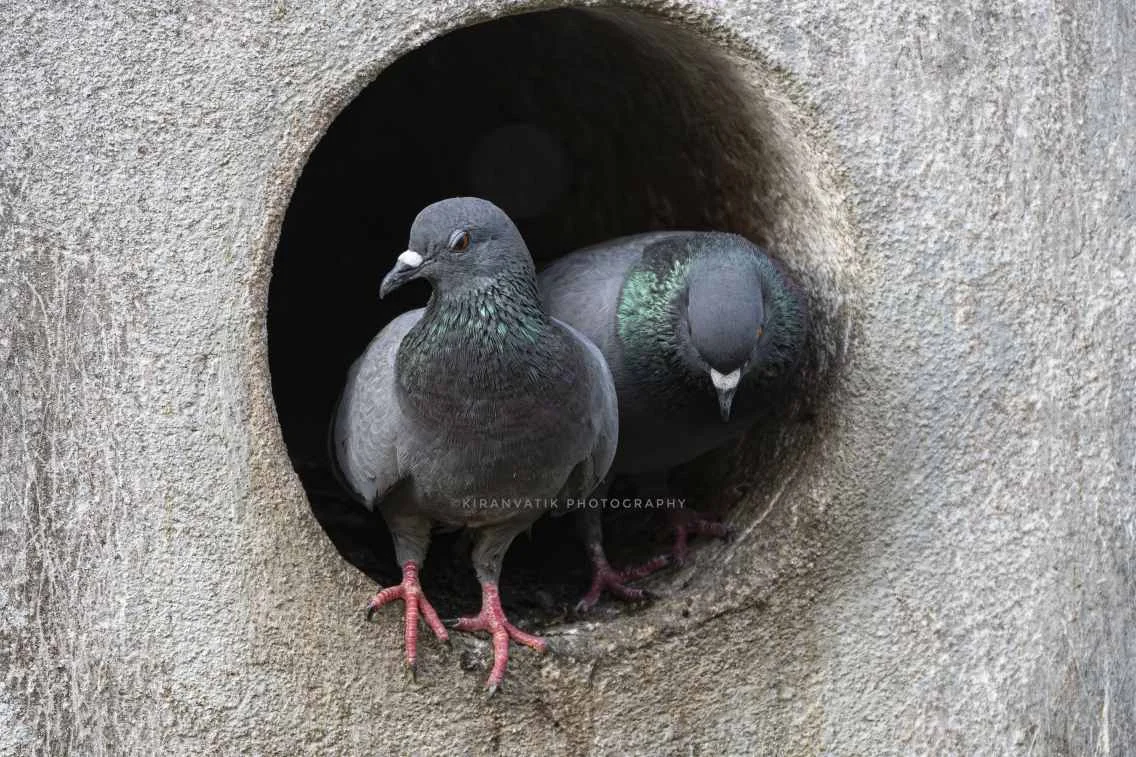
Among the species documented were common urban and woodland birds such as Rock Pigeon, Greater Coucal, Asian Koel, and Asian Palm Swift. Raptors including Black Kite and Brahminy Kite were observed within the campus.
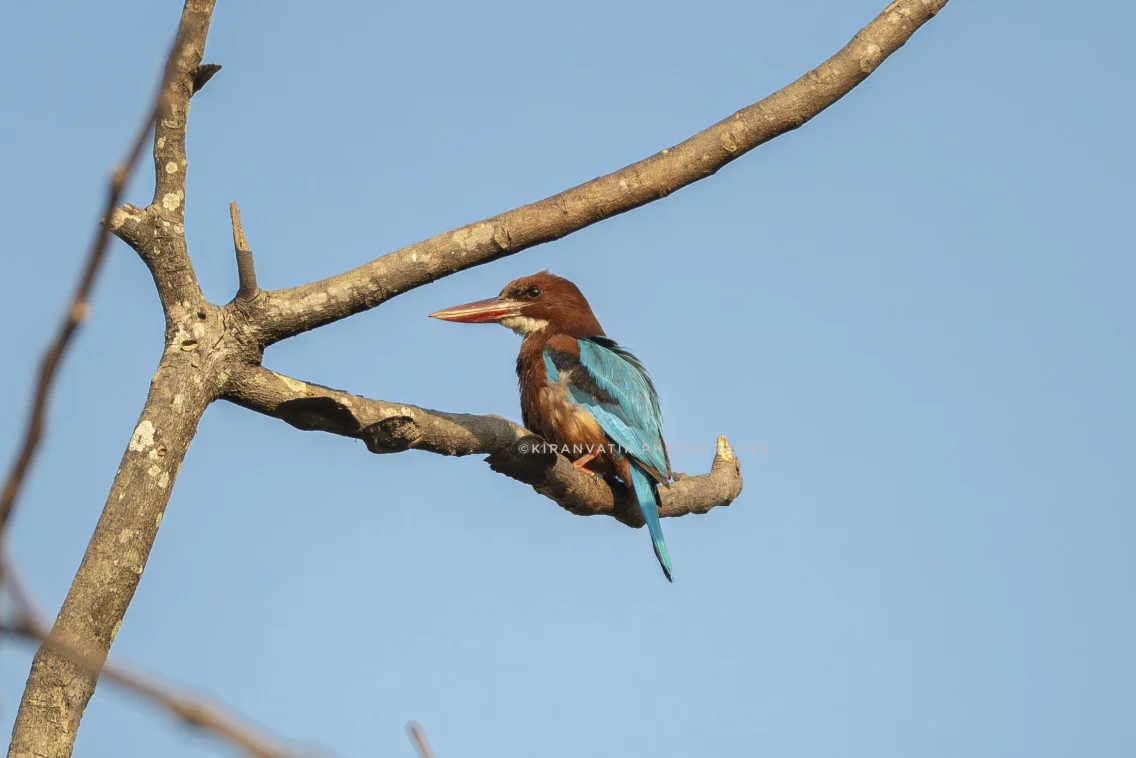
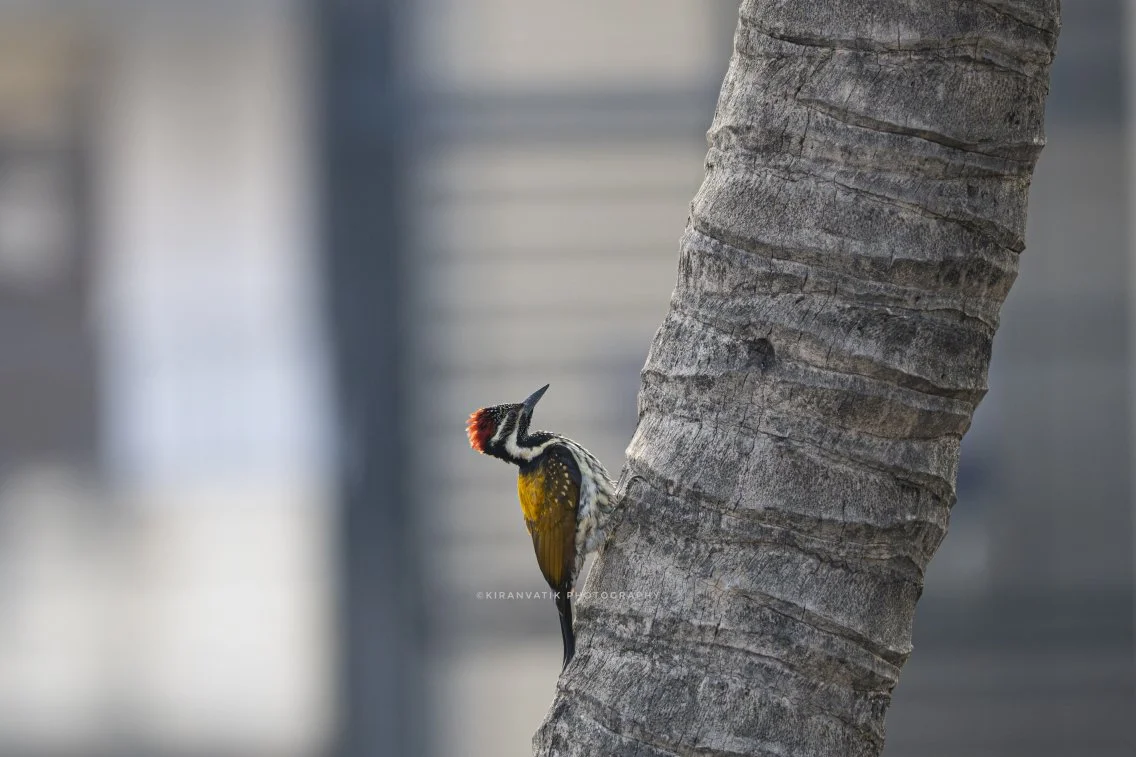
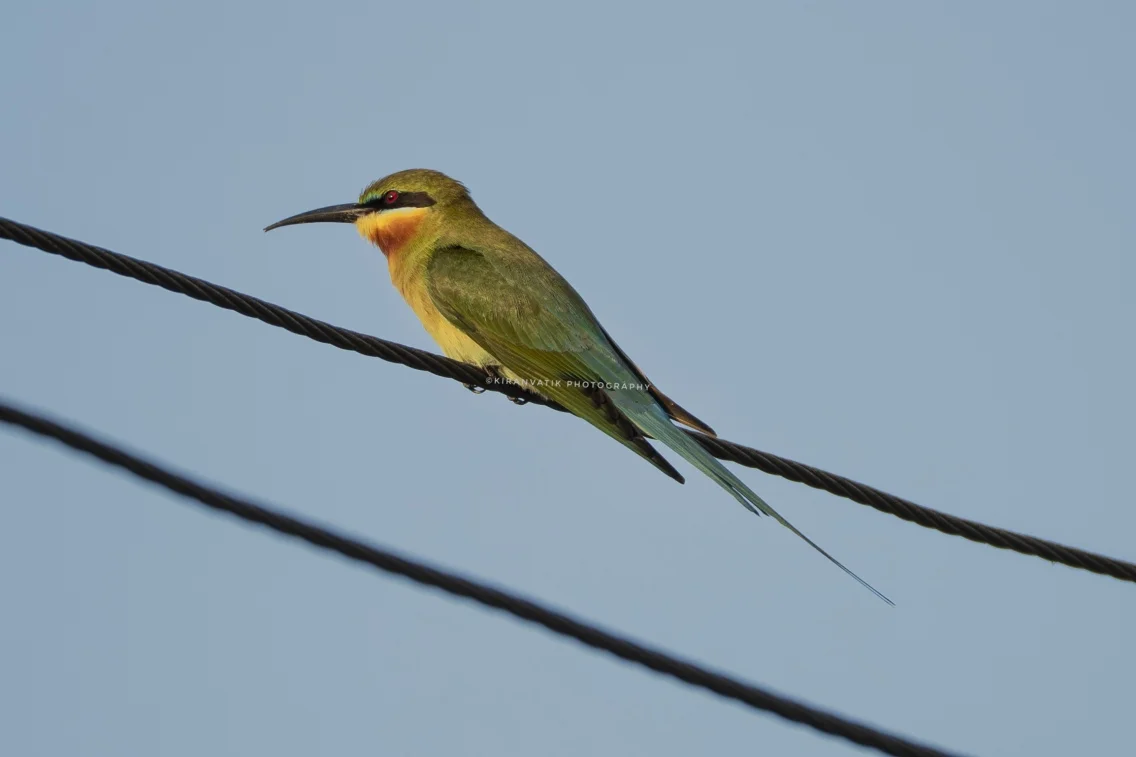
Water-associated species such as Little Cormorant and Eastern Cattle Egret reflected ecological connectivity, while tree-dwelling birds like White-throated Kingfisher, White-cheeked Barbet, Malabar Flameback, and Rose-ringed Parakeet were also recorded.
Migratory and seasonal visitors, including the Ashy Drongo and Green Warbler, were documented during the count period.
Evidence of Breeding Activity
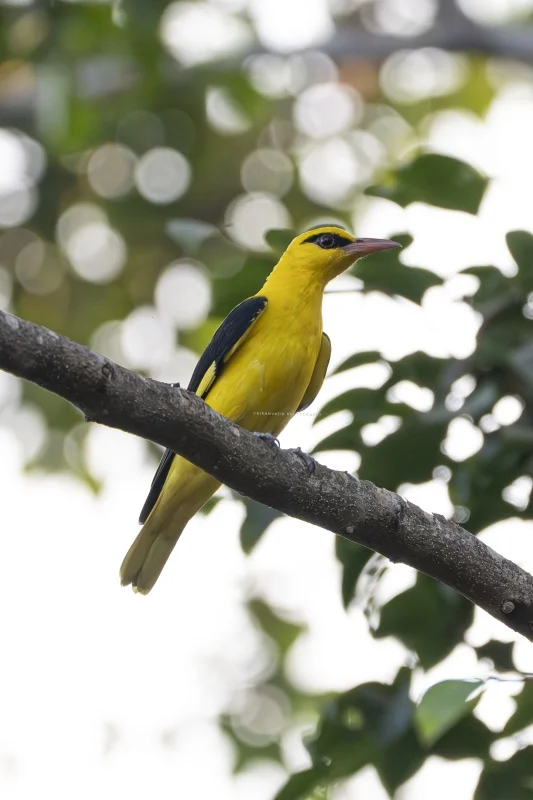
Several nesting birds were observed, indicating active breeding within the campus. Nests of the Red-whiskered Bulbul were documented, and the Indian Golden Oriole—a seasonal breeding visitor—was observed utilising suitable habitat.
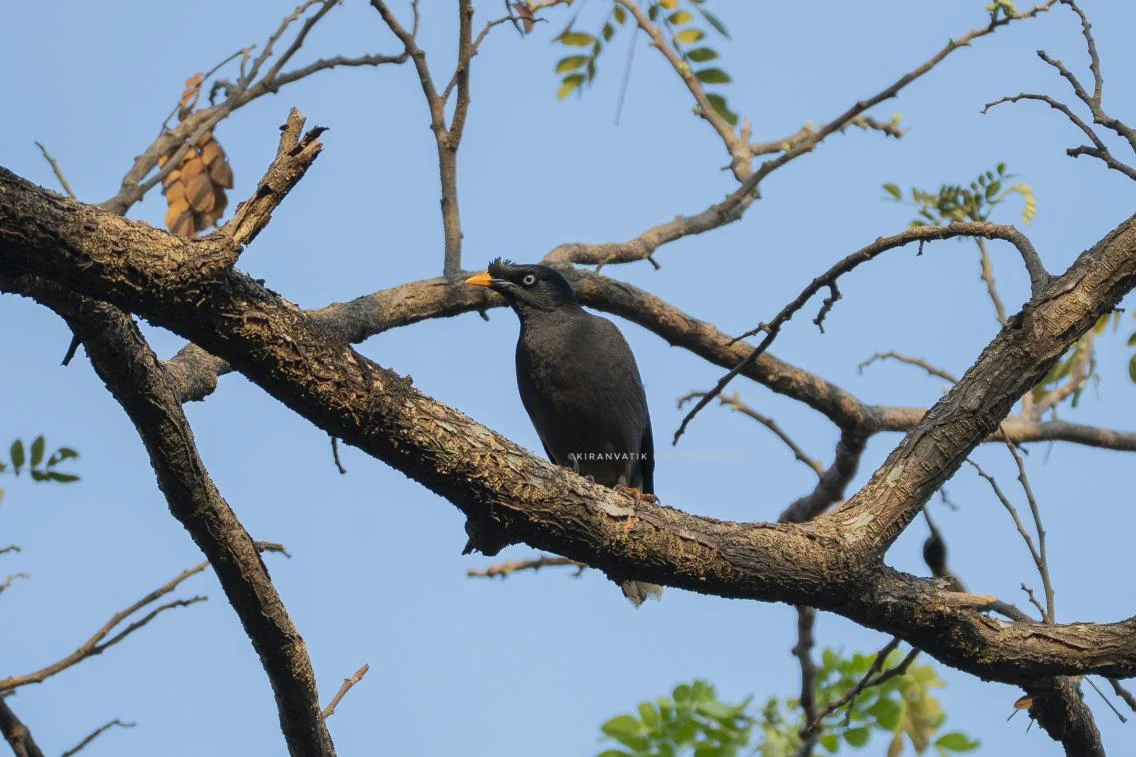
Insectivorous and nectar-feeding birds such as Common Tailorbird, Gray-breasted Prinia, Pale-billed Flowerpecker, Purple-rumped Sunbird, Purple Sunbird, and Loten’s Sunbird were also recorded. Other notable sightings included Chestnut-tailed Starling, Common Myna, Jungle Myna, Orange-headed Thrush, Oriental Magpie-Robin, and White-rumped Munia.
Commitment to Urban Biodiversity
The continued presence of resident, migratory, and breeding species highlights the ecological value of preserving green spaces within urban landscapes. Through regular documentation since 2019, the University has strengthened its long-term biodiversity monitoring efforts.
St Aloysius (Deemed to be University) reaffirmed its commitment to sustainability, biodiversity conservation, and experiential learning, ensuring that its campus remains a vital urban refuge for wildlife.