







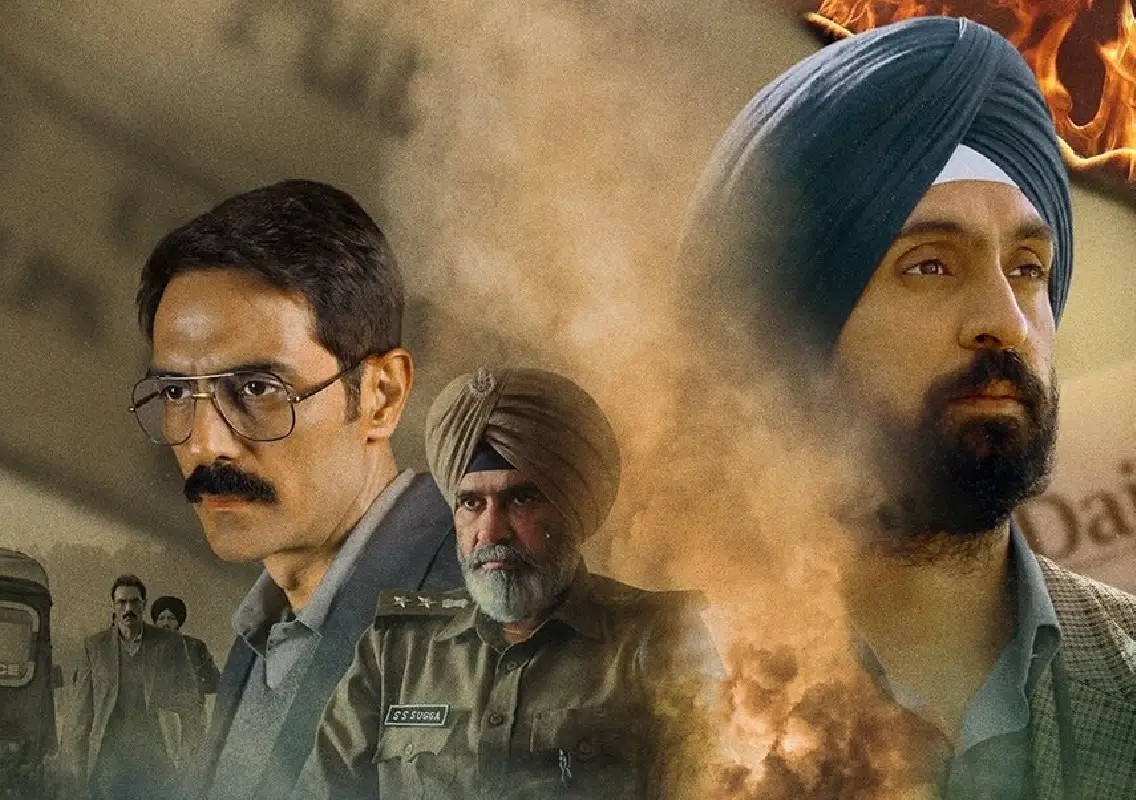


The controversial film Satluj, starring Diljit Dosanjh, has been taken down from the ZEE5 streaming platform in India just days after its release. Government sources said certain portions of the film could be “misused by anti-India forces”, prompting the platform to withdraw it following a review.
Originally titled Punjab 95, the film had faced delays for nearly three years after reportedly failing to secure clearance for a theatrical release. It was eventually released on ZEE5 under the title Satluj before being removed.
Government cites security concerns
According to government sources, the film contained certain scenes that raised concerns about potential misuse by anti-India elements. While OTT platforms do not require certification from the Central Board of Film Certification, they operate under a framework of self-regulation and government oversight for sensitive content.
Sources said the decision to remove the film followed a careful review of its content.
ZEE5 vows to bring film back
In a statement shared on Instagram, ZEE5 confirmed that Satluj would remain unavailable in India until further notice.
The platform expressed support for the film and its creators, stating that it remained committed to “authentic and meaningful narratives” and would explore all appropriate legal and regulatory avenues to restore the film for viewers.
Diljit and political leaders react
Diljit Dosanjh responded with a cryptic social media post, sharing a still from the film with the caption, “I challenge the darkness.” During an Instagram Live session, he said that once content is online, it cannot truly be erased and reaffirmed his support for Punjab.
The film is based on the life of Jaswant Singh Khalra, the human rights activist who exposed alleged extrajudicial killings and secret cremations during Punjab’s militancy period.
The film’s removal has also sparked political reactions. Leaders from the Aam Aadmi Party and the Indian National Congress criticised the decision, arguing that the film highlights an important chapter in Punjab’s history and should not be suppressed.
The controversy has reignited debate over artistic freedom, censorship and the regulation of content on digital streaming platforms in India.