




Mumbai: Indian cinema is witnessing a growing interest in stories centred on the emotional bonds between humans and animals, with several films released in 2026 exploring how pets can offer companionship, healing and unconditional love. From dogs rescuing children to cats helping people overcome heartbreak, filmmakers are increasingly placing four-legged characters at the heart of their narratives.
Films such as Ohh My Dog (OMD), Max, Min and Meowzaki, Asambhauuu and the Marathi release Kaapuskonda reflect this emerging trend. While their stories and genres differ, they share a common thread: animals are not merely supporting characters but companions who influence human relationships and personal transformations.
The growing presence of pets in Indian films also comes amid broader conversations about animal adoption, the treatment of street dogs and the responsibilities involved in working with animals on film sets. Filmmakers and animal welfare advocates believe cinema can help audiences understand animals beyond their traditional roles as guards, working animals or household pets.
How a rescued dog inspired Ohh My Dog
For filmmaker Amit Rai, the connection between humans and animals became personal in 2022, when he came across a dog adoption post on Facebook during the COVID-19 pandemic’s aftermath.
Rai decided to adopt the dog despite it not being a pedigreed breed and having a slight limp in one of its hind legs. Initially, he felt proud of his decision to care for the animal. That feeling soon changed as he realised how much emotional support the dog was providing him.
Rai described the experience by saying, “woh mujhko paal raha hai” — meaning that the dog was taking care of him.
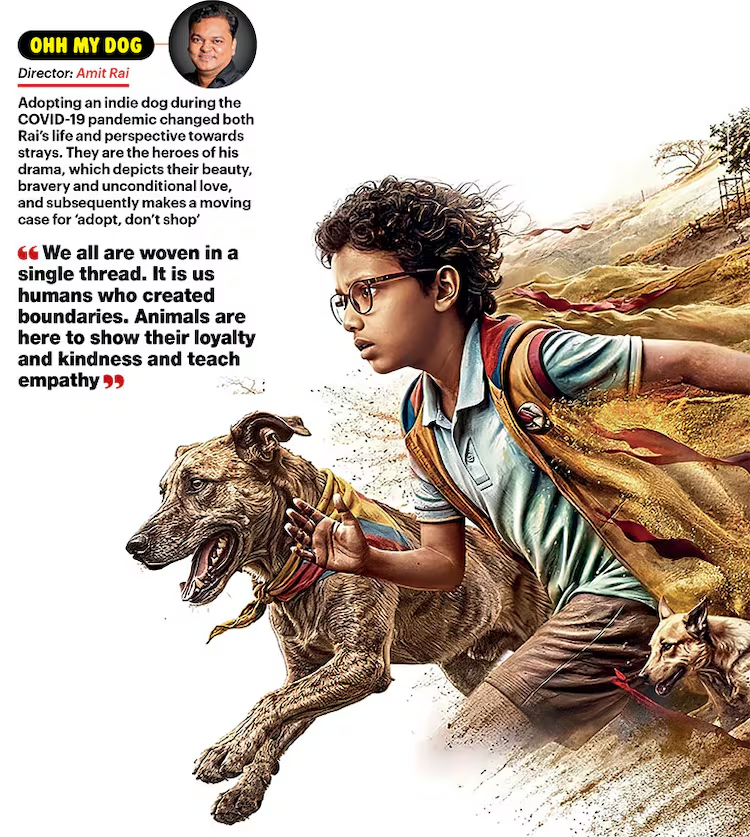
The experience inspired him to write a screenplay exploring the emotions associated with having a pet. The resulting film, Ohh My Dog (OMD), features Oscar as Momo, a lost pet whose search brings a technology-savvy child into conflict with corrupt police officers and an alleged illegal dog-meat mafia.
Another canine performer, Bruno, a trained Indian street dog, plays a significant role in the film. His character uses its instincts, including sniffing, running and barking, to help locate a child kidnapped by an organ trafficking ring.
Although the film has been described as having narrative inconsistencies and a lengthy runtime, its animal characters provide several emotional moments. Their presence reinforces the film’s central theme of loyalty and the importance of protecting vulnerable beings.
For Rai, the project was an opportunity to translate a personal experience into a story that could encourage audiences to reconsider their relationship with animals.
Max, Min and Meowzaki explores the healing power of cats
Dogs may dominate many pet-centred films, but cats are also finding their place in Indian cinema.
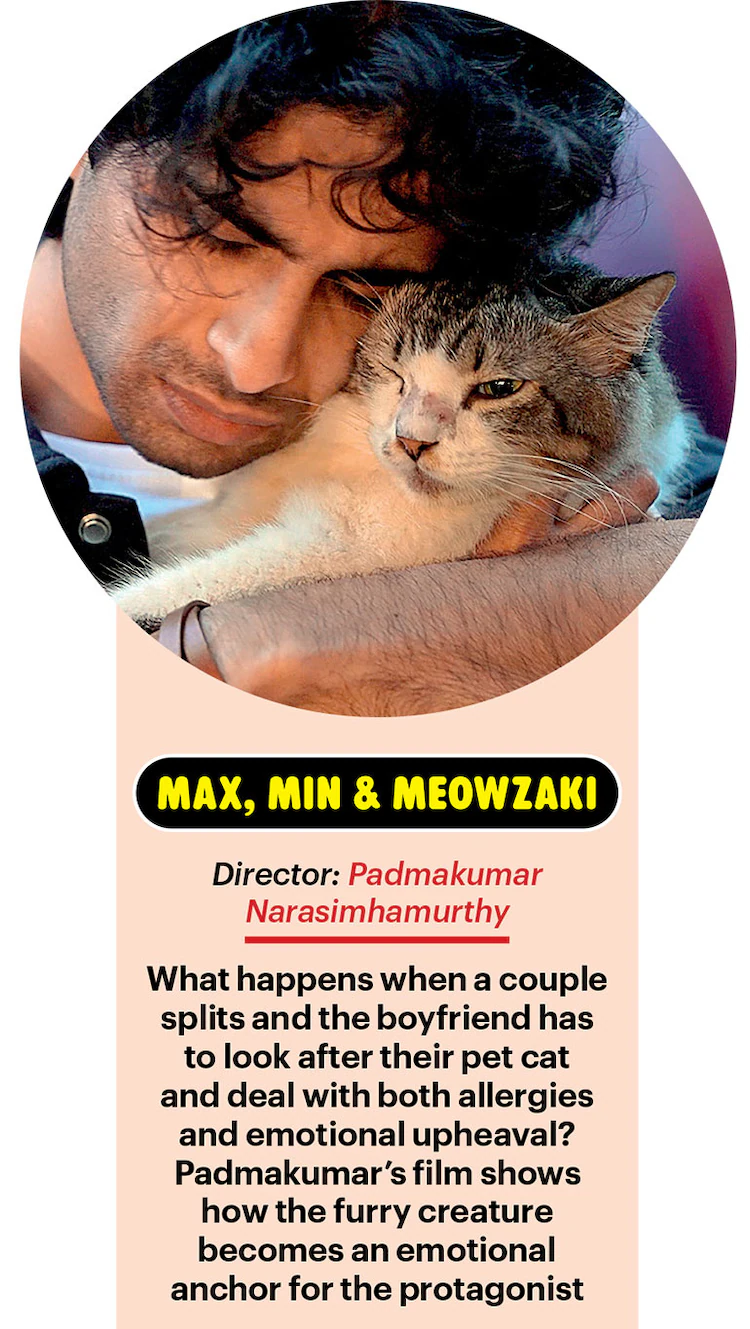
Released in late July 2026, Max, Min and Meowzaki follows a heartbroken man whose life changes after a cat enters it. The animal becomes an important part of his emotional journey, helping him gradually move towards healing.
Filmmaker Padmakumar Narasimhamurthy drew inspiration from his own experience with a cat. Like Max, the film’s male protagonist, Padmakumar was initially allergic to cats. His feelings changed when his partner’s cat approached him and rested its head on his lap.
That simple interaction helped him develop an affection for the animal and appreciate the different ways cats express themselves.
Padmakumar named the film’s cat Meowzaki after Japanese animation filmmaker Hayao Miyazaki, whose works frequently feature memorable feline characters.
The cat in the film is played by Radha, an Indian domestic cat. Rather than presenting the animal simply as a source of comic relief, the filmmaker uses its presence to reflect the protagonist’s growing maturity.
Padmakumar believes cats can teach people important lessons about relationships, particularly the need to balance affection with personal space.
“A cat can teach you a hell lot about relationships…how to give and claim space, and show affection without smothering someone,” he says.
His observations offer an alternative to the conventional portrayal of pets as constantly affectionate companions. Cats, he suggests, can demonstrate that emotional connection does not always require continuous attention or physical closeness.
Asambhauuu brings the Mahabharata’s dog story to modern audiences
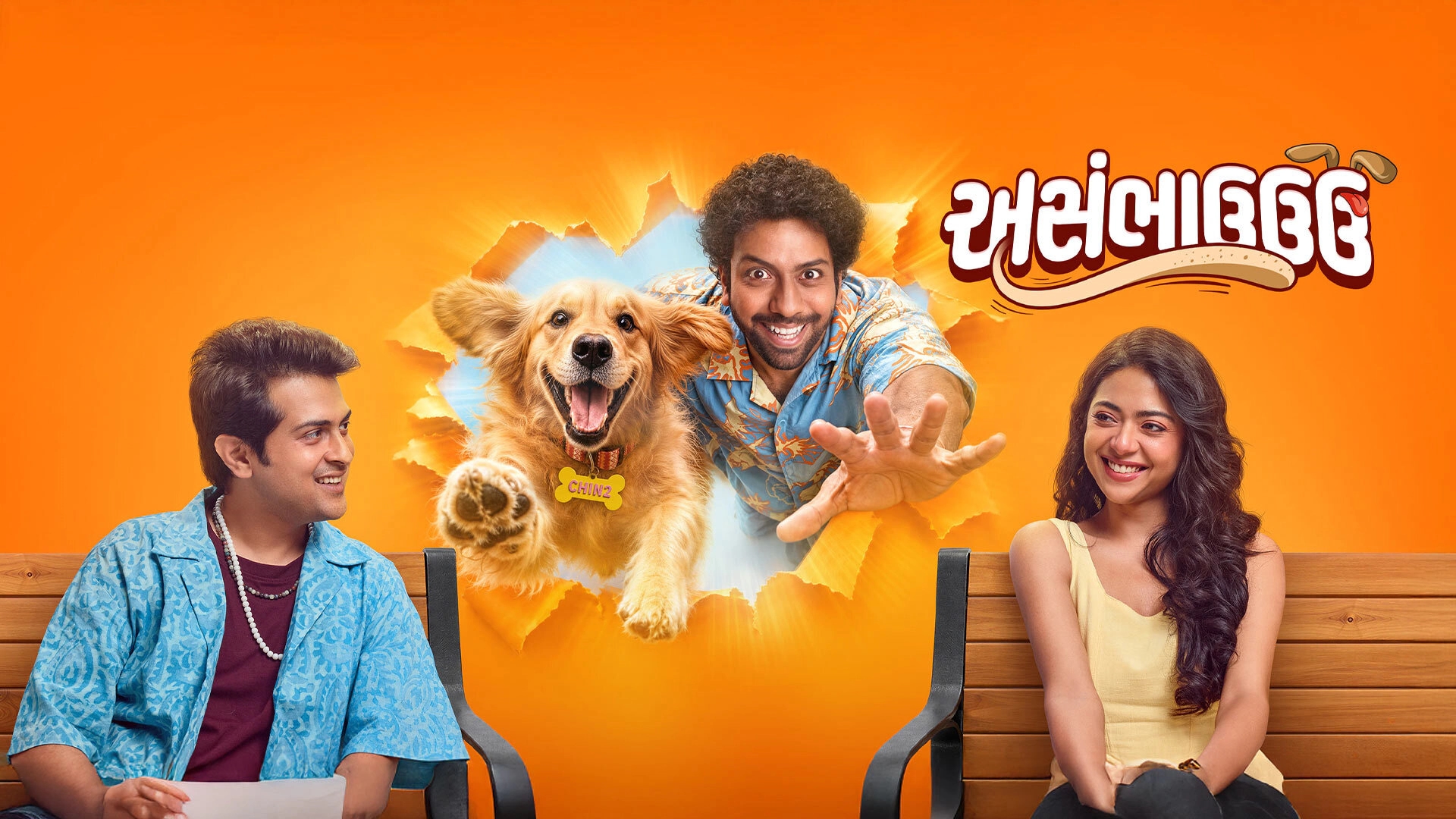
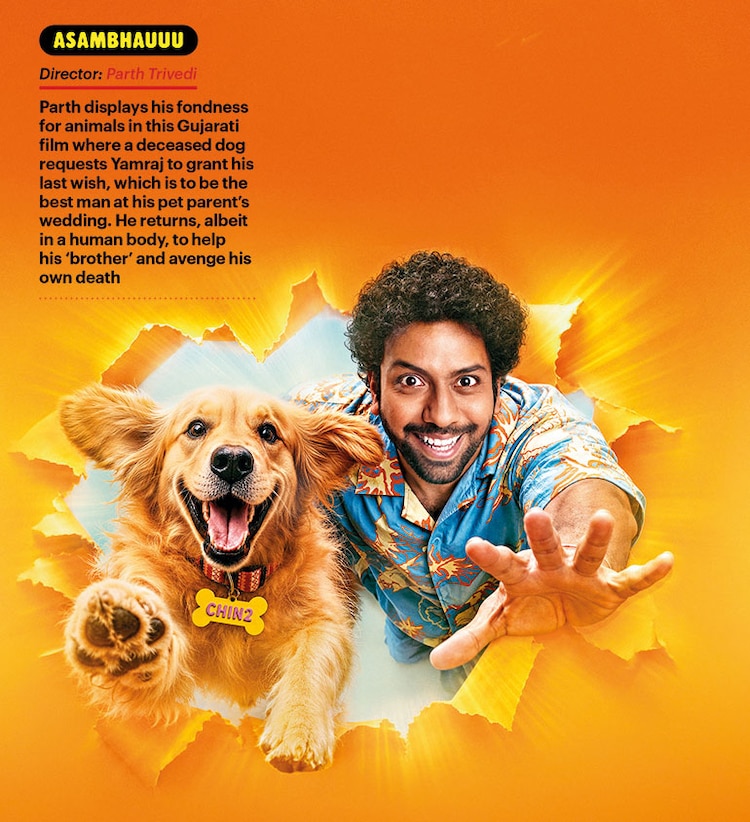
Gujarati film Asambhauuu, released in September 2026, explores the bond between a man and his dog. Director Parth Trivedi says the film emerged from his observation that people increasingly regard pets as members of their families.
According to Trivedi, pet adoption is no longer restricted to metropolitan cities or particular economic groups. He believes increasingly stressful lifestyles have encouraged people to seek companionship from animals.
The film draws inspiration from an episode in the Mahabharata involving Yudhishthira and a loyal dog. In the traditional account, Yudhishthira refuses to abandon the dog that has accompanied him on his final journey, even when asked to leave it behind before entering heaven.
Trivedi adapts the underlying idea to explore loyalty from both sides of the relationship: the lengths to which a dog will go for a human and the sacrifices a person may make for an animal.
The production largely used breed dogs, alongside an Indian street dog that performs an important act towards the climax.
The story highlights a question increasingly explored in pet-centred films: whether human beings offer animals the same loyalty and protection that they expect from them.
Kaapuskonda and other films expand the pet-film trend
The Marathi film Kaapuskonda, which arrived on October 23, 2026, adds another perspective to the trend. Actor Sachin Pilgaonkar plays a man whose attitude changes from disliking dogs to developing affection for them.

The transformation reflects a familiar theme in animal-centred storytelling: a relationship with a pet can challenge assumptions and change how people view animals.
Pets are also appearing in films without necessarily driving the main plot. In Nayyi Naveli (2026), a fluffy white dog is presented as a beloved member of a family, showing how animals can be woven into the everyday lives of fictional households.
Another example is Marathi drama Tighee (2026). The film centres on a strained relationship between an ailing mother and her two daughters. The rescue and arrival of a puppy provide the family with a temporary emotional reprieve.
Abodh Aras, chief executive officer of Mumbai-based Welfare of Stray Dogs, believes such portrayals can help audiences appreciate the companionship offered by Indian street dogs.
He says stories showing the happiness a dog can bring into a household may influence perceptions of adopting indie dogs rather than choosing only pedigreed breeds.
From Tuffy to 777 Charlie: Animals have long shaped Indian cinema
Although the current wave of pet-focused films has attracted attention, animals have played memorable roles in Indian cinema for decades.
In the Hindi family drama Hum Aapke Hain Koun..! (1994), the dog Tuffy helps bring Prem and Nisha together. Santosh Sivan’s Halo (1996) follows a seven-year-old girl on an adventure to find her missing pet.
The 2011 film Chillar Party placed the welfare of a street dog at the centre of its story. Its young characters unite to save their community’s Indian dog from a corrupt politician who wants it killed.
In It’s Entertainment (2014), a dog becomes a central co-star alongside Akshay Kumar. A year later, Aamir Khan lent his voice to Pluto Mehra, the Bullmastiff accompanying a family on holiday in Dil Dhadakne Do (2015).
Southern Indian cinema has also explored the relationship between people and animals through different genres and themes.
Kannada film 777 Charlie (2022) examined the plight of dogs in breeding facilities through the relationship between a lonely man and a Labrador retriever. Malayalam film Eko (2025) featured an ageing woman who relies on her rare-breed dogs for protection and revenge.
Tamil film Pariyerum Perumal (2018), meanwhile, used violence against a black dog to expose the cruelty and discrimination associated with caste-based oppression.
These films demonstrate that animal characters can serve different narrative purposes. They may provide humour and companionship, help people confront grief, or become a way of addressing larger social problems.
Animal welfare guidelines remain essential on film sets
The increased use of animals in cinema also raises questions about their treatment during production.
Aras has welcomed the visibility of Indian street dogs in films but emphasises that filmmakers must follow the Animal Welfare Board of India’s (AWBI) guidelines when working with animals.
Anjali Gopalan, an AWBI member, says the organisation reviews film proposals and considers whether they meet animal welfare requirements. Productions involving animals must obtain prior permission, including submitting details of the storyline and how animals will be used.
The Board can advise filmmakers on acceptable practices and request cuts to scenes depicting animal cruelty, including scenes created using computer-generated imagery or artificial intelligence.
Films may also carry a disclaimer stating that no animals were harmed during production, subject to the applicable certification and approval process.
Rai says his team followed the relevant guidelines while making Ohh My Dog. Measures included ensuring the dogs had anti-rabies vaccinations, keeping a trainer on set and arranging suitable transportation when the animals travelled from Mumbai to Bihar and Assam.
These safeguards are important because an animal’s apparent comfort or obedience on screen does not, by itself, establish that its welfare was protected throughout production. Proper planning, supervision and compliance with the relevant rules are essential.
Why filmmakers are turning towards stories of empathy
Filmmakers believe India’s growing interest in animal-centred stories reflects changing attitudes towards pets and companionship.
Padmakumar argues that Indian cinema has yet to develop the same longstanding tradition of integrating dogs and cats into narratives that audiences associate with Hollywood. However, he sees greater compassion among younger people, particularly those born after 2000.
Rai also believes films such as Ohh My Dog are important at a time when the treatment and management of street dogs remain subjects of public debate.
He argues that humans and animals share the same world and that people should reconsider the assumption that they have exclusive ownership over it. In his view, animals can teach people lessons about loyalty, kindness and empathy.
The stories emerging in 2026 range from family dramas and comedies to social commentary and adventure films. Their common theme is the idea that companionship can cross species boundaries and that animals can influence the way people understand love, responsibility and loss.
As pet-centred narratives gain visibility, their lasting impact may depend not only on how audiences respond to the stories but also on whether the films encourage more responsible attitudes towards animal adoption and welfare.
The growing presence of pets on screen suggests that dogs and cats are becoming more than memorable supporting characters in Indian cinema. They are increasingly being used to explore human emotions and the responsibility people have towards the animals with whom they share their lives.