







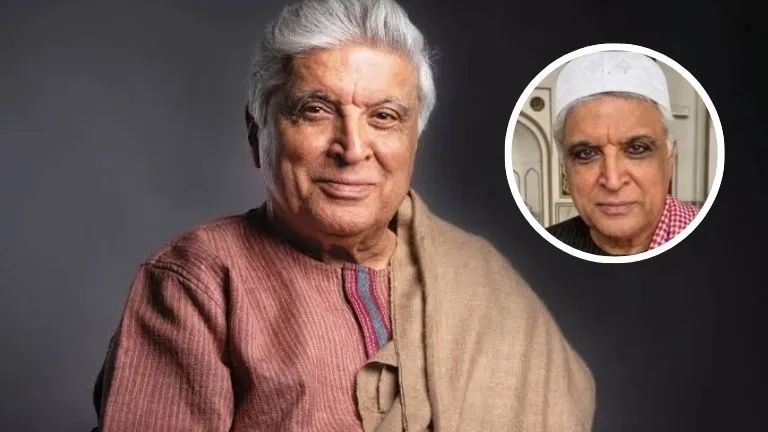


Veteran lyricist and screenwriter Javed Akhtar has firmly denied a viral social media video that falsely claims he has “turned to God”, calling it a fabricated deepfake and warning of legal action against those responsible for spreading it.
Taking to X (formerly Twitter) on Thursday, Akhtar said the video uses a computer-generated image of him wearing a topi and misleadingly presents it as evidence of a supposed change in his personal beliefs.
Akhtar calls video fake and misleading
“A fake video is in circulation showing my fake computer-generated picture with a topi on my head claiming that ultimately I have turned to God. It is rubbish,” Akhtar wrote, categorically rejecting the claim.
He expressed serious concern over the misuse of artificial intelligence and digital manipulation to create false narratives, stating that such content can cause significant damage to an individual’s public image and credibility.
Legal action being considered
The veteran writer said he is considering approaching the cyber police to initiate action against the creator of the fake video. He also warned that legal proceedings could extend to those who knowingly forwarded the clip, accusing them of aiding the spread of misinformation.
Akhtar stressed that sharing unverified and manipulated content amounts to irresponsibility and can have serious consequences in the digital age.
Context of recent public debate
The controversy comes shortly after Akhtar’s recent public discussion titled Does God Exist? with Islamic scholar Mufti Shamail Nadwi, which was held last month and widely shared online.
While many viewers appreciated Akhtar’s clarity and articulation during the debate, others criticised and trolled him for his views. Observers say the circulation of the fake video appears to be an attempt to exploit the heightened attention around his stance.
Deepfake concerns highlighted again
By publicly addressing the issue, Akhtar has once again drawn attention to the growing threat posed by deepfakes and digitally manipulated content. He underscored the need for stronger accountability, awareness and legal safeguards to prevent the misuse of technology for spreading falsehoods.
The incident has reignited conversations around digital ethics and the responsibility of social media users to verify content before sharing it