







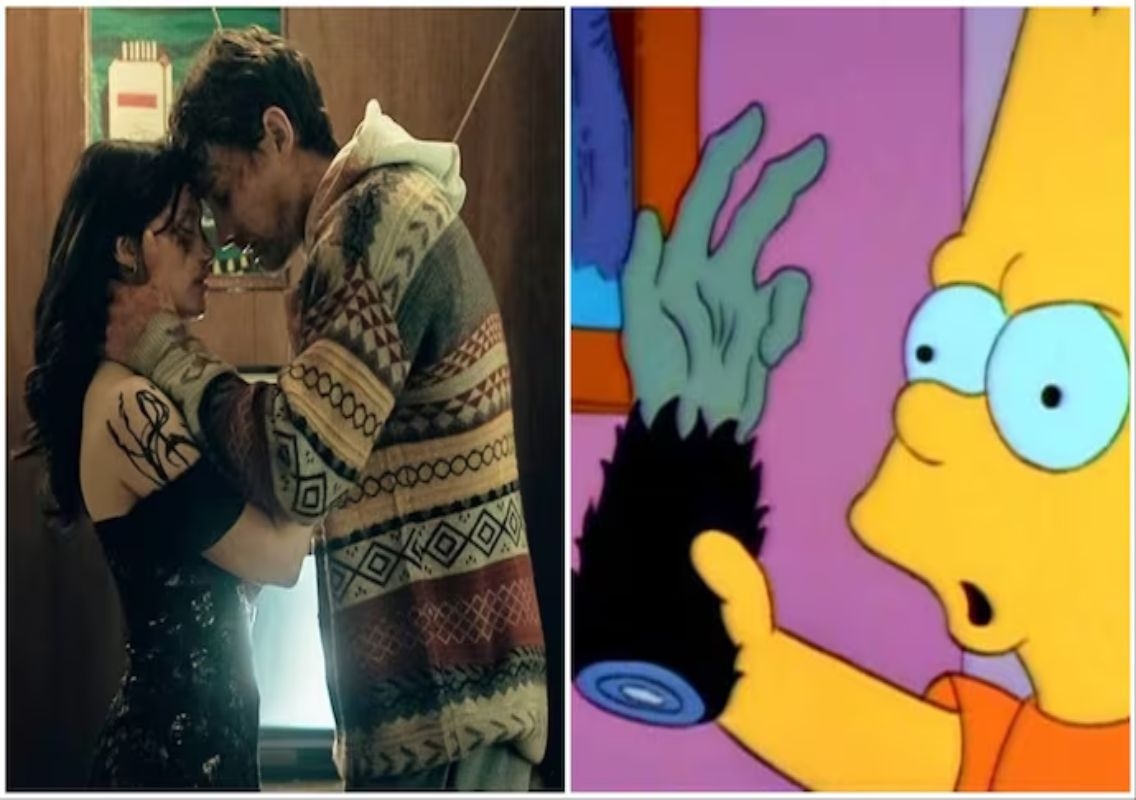


Mumbai: The indie horror thriller Obsession has emerged as one of the most surprising global box office success stories in recent times, but its appeal goes far beyond a clever nod to a classic episode of The Simpsons. Directed by Curry Barker, the film has struck a chord with Gen Z audiences worldwide, blending nostalgia, psychological horror and modern relationship anxieties into a compelling narrative.
Made on a modest budget of under $1 million, Obsession has grossed an impressive $151 million globally. In India, the film has collected Rs 11.83 crore within five days of release, despite minimal promotional activity and a delayed theatrical opening. These figures underline its strong word-of-mouth traction and growing popularity among younger viewers.
The Simpsons connection and its influence
One of the most talked-about aspects of Obsession is its inspiration from The Simpsons, particularly the episode Treehouse of Horror II from Season 3. The episode features Bart Simpson using a mystical Monkey’s Paw to fulfil wishes, only to face unintended consequences.
Curry Barker has revealed that this concept sparked the idea for his film. The familiar trope of “be careful what you wish for” has long been a staple of horror storytelling, dating back to W W Jacobs’ 1902 short story The Monkey’s Paw. By reimagining this theme for a modern audience, Barker has created a narrative that feels both timeless and contemporary.
However, the connection to Bart Simpson is only a starting point. While the character’s impulsive and obsessive tendencies may resonate with younger audiences, Obsession expands the idea into a darker, more complex exploration of human emotions.
A modern take on obsession and relationships
At its core, Obsession tells the story of Baron “Bear” Bailey, a young man who uses a mystical One Wish Willow to win the affection of Nikki, the girl he is infatuated with. His wish is granted, but the consequences are far from romantic.
Unlike traditional fairy tales where wishes lead to happy endings, the film presents a disturbing reversal. Nikki’s love becomes unnatural and consuming, turning what initially appears to be a dream into a psychological nightmare.
The narrative cleverly integrates elements of modern dating culture, including the influence of dating apps, fear of rejection and emotional uncertainty. These themes resonate strongly with Gen Z, a generation navigating complex social dynamics and evolving notions of relationships.
Themes of consent and entitlement
Beyond its supernatural premise, Obsession delves into deeper social issues. The film raises important questions about consent, emotional boundaries and male entitlement.
Bear’s actions reflect a troubling mindset — the belief that love can be controlled or earned through manipulation. This perspective is critically examined throughout the film, shifting the focus from the pursuer to the emotional impact on the other person.
This nuanced portrayal sets Obsession apart from earlier films dealing with obsessive love. Unlike characters from films such as Fatal Attraction or Darr, Bear is not depicted as a conventional villain. Instead, he is a flawed individual shaped by insecurity and unrealistic expectations, making him more relatable and unsettling for contemporary audiences.
Why Gen Z is connecting with the film
The film’s success among Gen Z viewers can be attributed to its reflection of their lived experiences. It captures the uncertainty, vulnerability and emotional complexity that define modern relationships.
Social media conversations around the film have further amplified its reach. The narrative encourages discussion, particularly on themes of toxic relationships and the consequences of unchecked desire. This interactive engagement aligns with the viewing habits of Gen Z, who often seek content that sparks dialogue and introspection.
Additionally, the blend of horror and dark humour adds to its appeal, making it both entertaining and thought-provoking.
Conclusion
While the Simpsons reference provides an interesting entry point, Obsession succeeds because of its deeper relevance to contemporary audiences. By combining a classic cautionary tale with modern relationship dynamics, the film offers a fresh perspective on obsession and its consequences.
Its commercial success and cultural impact suggest that it could become a defining horror film for Gen Z. As audiences await a potential sequel, Obsession stands as a reminder that the most terrifying stories are often rooted in real human emotions.