







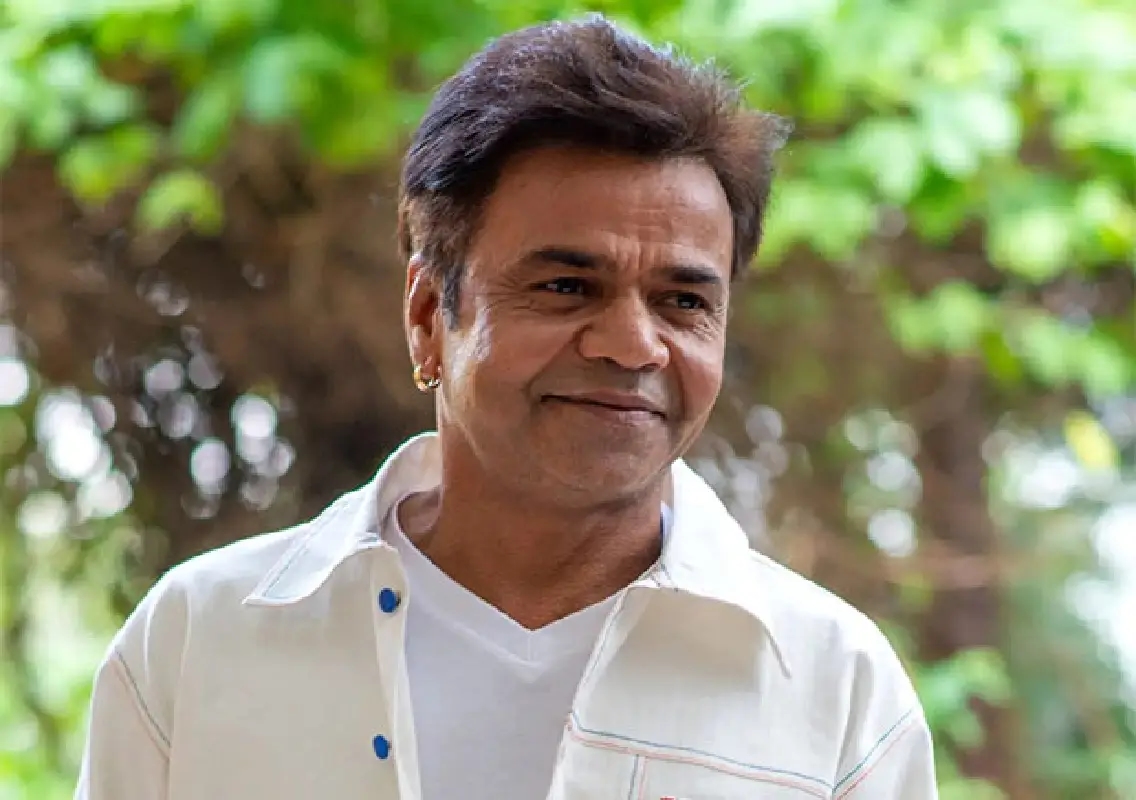


Delhi: Veteran Bollywood actor Rajpal Yadav has received temporary relief after the Delhi High Court suspended his sentence in a long-running Rs 9 crore cheque bounce case, granting him interim bail to attend a family wedding on February 19, 2026. The relief is conditional and does not amount to acquittal, with the court directing him to remain present, either physically or virtually, at the next key hearing scheduled for March 18.
The latest order comes amid revived legal scrutiny in the financial dispute that dates back over a decade and relates to a loan taken for film production. The court made it clear that while limited personal relief can be granted on humanitarian grounds, the primary focus remains recovery of dues owed to the complainant company.
Case linked to film production loan
The cheque bounce case traces back to 2010 when Yadav borrowed approximately Rs 5 crore from Murali Projects Pvt Ltd to finance his directorial venture, the Hindi film Ata Pata Laapata. The film, released in 2012, did not perform well at the box office, reportedly leading to repayment difficulties.
According to court records cited in recent proceedings, the unpaid principal, combined with interest and penalties accumulated over the years, pushed the outstanding liability to nearly Rs 9 crore. Multiple cheques issued towards repayment were dishonoured, leading to criminal complaints under cheque bounce provisions.
What began as a commercial borrowing dispute gradually turned into prolonged litigation, with several rounds of mediation, settlement talks and adjournments over the years.
Earlier conviction and partial jail term
In 2018, a trial court convicted the actor in the matter and sentenced him to six months of imprisonment. He subsequently served around three months in custody at Tihar Jail before being released on bail pending appeal and further hearings.
However, the case regained urgency in February 2026 after the High Court observed that earlier undertakings given by the actor regarding settlement had not been honoured within the promised timelines. The bench noted repeated delays despite multiple opportunities.
After the court declined to grant further routine extensions, Yadav surrendered earlier this month and was sent back to jail to serve the remaining portion of his sentence, pending fresh consideration of relief pleas.
Court stresses restitution over delay
During hearings held in February, the High Court underscored that restitution to the complainant remains the top priority in cheque dishonour cases of this nature. The bench reportedly remarked that more than 25 adjournments had already been granted over time for mediation and repayment discussions.
The court observed that there had been insufficient concrete progress toward clearing the liability and described the repayment efforts so far as lacking seriousness. It therefore tightened conditions around any further relief.
Judicial directions also specified the acceptable mode of payment. A proposal to deposit money through a Fixed Deposit Receipt (FDR) was not accepted, with the court instead directing that payments be made through a Demand Draft (DD) to ensure immediate realisation by the complainant.
Partial payment deposited, support from film fraternity
In the latest submissions, Yadav’s legal team informed the court that about Rs 1.5 crore has been deposited into the complainant’s bank account as part of ongoing settlement efforts. This partial payment was placed on record while seeking interim bail for personal reasons.
Reports indicate that some members of the film industry have stepped forward to extend financial assistance to help him arrange funds toward the settlement. However, the court has not treated informal assurances as a substitute for actual repayment.
The interim bail granted now is narrowly tailored to allow him to attend his niece’s wedding. The court order makes it clear that he must comply with all conditions and participate in the next hearing without fail.
What happens next
The matter will be taken up again at the next scheduled hearing in March, where the court is expected to review the status of repayments and compliance with earlier directions. Further relief is likely to depend on how much of the outstanding amount is cleared before that date.
Legal experts note that cheque bounce cases involving large sums often see courts balance humanitarian considerations with the rights of the complainant. Temporary bail for specific personal events is not unusual, but it does not dilute the underlying conviction or liability.
For now, the actor has secured short-term relief, but the larger financial and legal battle remains unresolved, with the court signalling that speedy restitution will weigh heavily in future orders.