


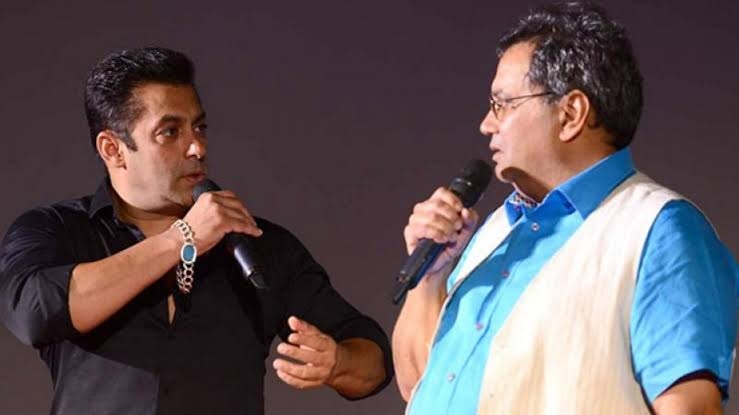


Mumbai: Veteran filmmaker Subhash Ghai has weighed in on changing priorities in Bollywood, saying that the growing emphasis on money has sometimes overshadowed the importance of artistic commitment. Reflecting on his years in the film industry, Ghai recalled how several actors in his films were willing to accept just 40 per cent of their usual fees because they believed in the story, the director and the characters they were offered.
Ghai’s remarks come days after Salman Khan spoke about the work ethic of established Bollywood stars, saying that his generation remained focused on delivering good performances. The discussion began on Koffee With Karan Season 9, where host Karan Johar pointed out that Shah Rukh Khan, Salman Khan and Ajay Devgn continue to attract audiences to theatres.
Ghai has now echoed similar views, arguing that actors who build lasting careers tend to prioritise their work and performances over the financial and celebrity benefits that come with success.
Subhash Ghai says commerce has taken over Bollywood
In an interview with SCREEN, Ghai said the film industry had become increasingly focused on commercial considerations, with younger actors placing greater importance on earnings than on the artistic aspects of filmmaking.
“Commerce has taken over. Today, the children want to earn more money, and it’s less about the art. During our time, the actors wanted to be artistes, and thought money would eventually come,” he said.
Ghai recalled that actors earlier made decisions about films based on the strength of the story, the director and the character they were expected to portray.
According to the filmmaker, some established stars who worked in his films agreed to accept substantially lower fees because they were interested in the material.
“Most of the stars in my movies have taken only 40 per cent of the price because they were interested in the character and the story,” he said.
His comments reflect a view of filmmaking in which creative collaboration and confidence in a project can be as important as an actor’s remuneration. Ghai suggested that an appealing role and a compelling script could motivate performers to work on a film even when the financial terms were less favourable than their usual arrangements.
The filmmaker’s remarks were critical of current industry practices, although they were based on his own experiences and observations rather than a comprehensive assessment of every actor working in Bollywood today.
Managers and PR teams influence career decisions
Ghai also highlighted the growing role of talent managers and public relations teams in shaping the decisions of contemporary actors.
He argued that an actor who might otherwise consider accepting a lower fee for a promising role could face resistance from advisers concerned about commercial value and public image.
“Today, if you ask any actor to take only 40 per cent fees, four of their managers will intervene, and 3 PRs will come in together to endorse the actor as a celebrity,” he said.
The filmmaker suggested that the modern entertainment industry offers performers several ways to earn money beyond acting in films. Celebrity endorsements, brand partnerships, public appearances and other commercial opportunities can contribute to an actor’s income and influence career choices.
Ghai also questioned the durability of popularity built primarily around celebrity status. He said public attention could shift within a few years, allowing new performers to take the place of those who had previously dominated the spotlight.
“Today, actors have various other ways to earn, not just from movies. But again, they are seasonal; the craze dies down after 3-4 years. Then they are out of the picture, and somebody else walks in,” he said.
His comments underline the distinction he draws between short-term popularity and a career sustained by consistent performances and commitment to the craft.
Why Shah Rukh Khan, Aamir Khan, Salman Khan and Ajay Devgn endure
Despite his criticism of changing priorities, Ghai acknowledged that the film industry’s business model has evolved. He named Shah Rukh Khan, Aamir Khan, Salman Khan and Ajay Devgn as examples of actors who have remained prominent over several decades.
“Yes, times have changed, business has changed, and its model has also changed. Today, there is Shah Rukh, Aamir, Salman, Ajay, who are actors for the past 40 years because they are dedicated actors from the olden times,” he said.
Ghai attributed their longevity to their commitment to acting and their focus on the work required for a film.
He said these performers understood that factors such as celebrity status and commercial opportunities were secondary to the demands of a production.
“They know other factors are all residual and don’t prioritise anyone or anything over their shoot or scenes,” he said.
The filmmaker contrasted this approach with what he described as the tendency among some younger performers to focus on the rewards of success, including expensive purchases, soon after receiving substantial payments.
“The young generation says, ‘Oh, we’ve received so much money. We will take a big car.’ This is a slight issue, but with time, they will also understand,” he added.
Ghai’s observations do not mean that all younger actors follow the pattern he described. Rather, his comments reflect his belief that a sustained career depends on developing the discipline to prioritise performances and filmmaking responsibilities over the trappings of celebrity.
Salman Khan’s comments on the work ethic of established stars
Ghai’s remarks follow a discussion involving Salman Khan on Koffee With Karan Season 9.
During the conversation, Salman spoke about how actors of his generation approached their profession, emphasising their desire to work and deliver good performances. Karan Johar had raised the continued ability of Shah Rukh Khan, Salman and Ajay Devgn to bring audiences into theatres.
The discussion focused on why some established stars have maintained their appeal despite changes in audience preferences, filmmaking styles and the commercial structure of the Hindi film industry.
Ghai’s comments add another perspective to that debate. While Salman spoke about the approach of his generation, Ghai drew on his own experiences as a filmmaker to explain why he believes artistic commitment can contribute to career longevity.
Both discussions have placed renewed attention on the relationship between creative priorities, commercial pressures and long-term success in Bollywood.
Subhash Ghai recalls Dilip Kumar’s career advice
During the same interview, Ghai also recalled receiving professional advice from legendary actor Dilip Kumar, whom he regarded as an elder brother.
Ghai worked with Dilip Kumar on films including Vidhaata, Karma and Saudagar. The filmmaker said he approached the veteran actor for guidance when considering what to do next in his career.
According to Ghai, Dilip Kumar encouraged him to consider opening a film institute.
The advice reflected a different way of thinking about a career in cinema: beyond making individual films, professionals could also contribute to the industry by helping train and prepare future generations of filmmakers and performers.
Ghai subsequently became known not only for directing commercial hits but also for his interest in film education. His recollection of Dilip Kumar’s advice offered a personal insight into the professional relationship between the two figures.
A career built on commercial Hindi cinema
Ghai has directed several successful Hindi films, including Karz, Hero, Ram Lakhan, Khalnayak, Pardes and Taal.
His filmography includes musicals, romantic dramas, action films and large-scale commercial productions that helped shape mainstream Hindi cinema across several decades.
His experience working with leading actors has informed his views on the relationship between a filmmaker’s vision and an actor’s willingness to commit to a role.
The example of stars accepting lower fees, as Ghai described it, highlights the importance he places on creative collaboration. For him, a film’s story and characters should be central considerations when an actor decides whether to participate in a project.
His latest comments have consequently reopened a familiar discussion in Bollywood about whether commercial success and artistic ambition can remain aligned as the industry evolves.
The debate over money and artistic commitment
Ghai’s remarks come at a time when the economics of filmmaking have changed significantly, with actors and production houses operating in a market shaped by large budgets, brand partnerships, streaming platforms and changing audience expectations.
Remuneration and commercial planning remain important parts of film production, particularly as projects involve substantial financial commitments. At the same time, Ghai’s comments suggest that he believes creative conviction and professional discipline remain essential to building a lasting career.
His examples of Shah Rukh Khan, Aamir Khan, Salman Khan and Ajay Devgn illustrate the kind of longevity he associates with dedication to acting.
Whether younger performers adopt the same approach, as Ghai hopes they will, remains to be seen. His broader argument is that celebrity and financial success can be temporary, while a sustained commitment to performances and storytelling can help actors remain relevant across changing industry trends.