


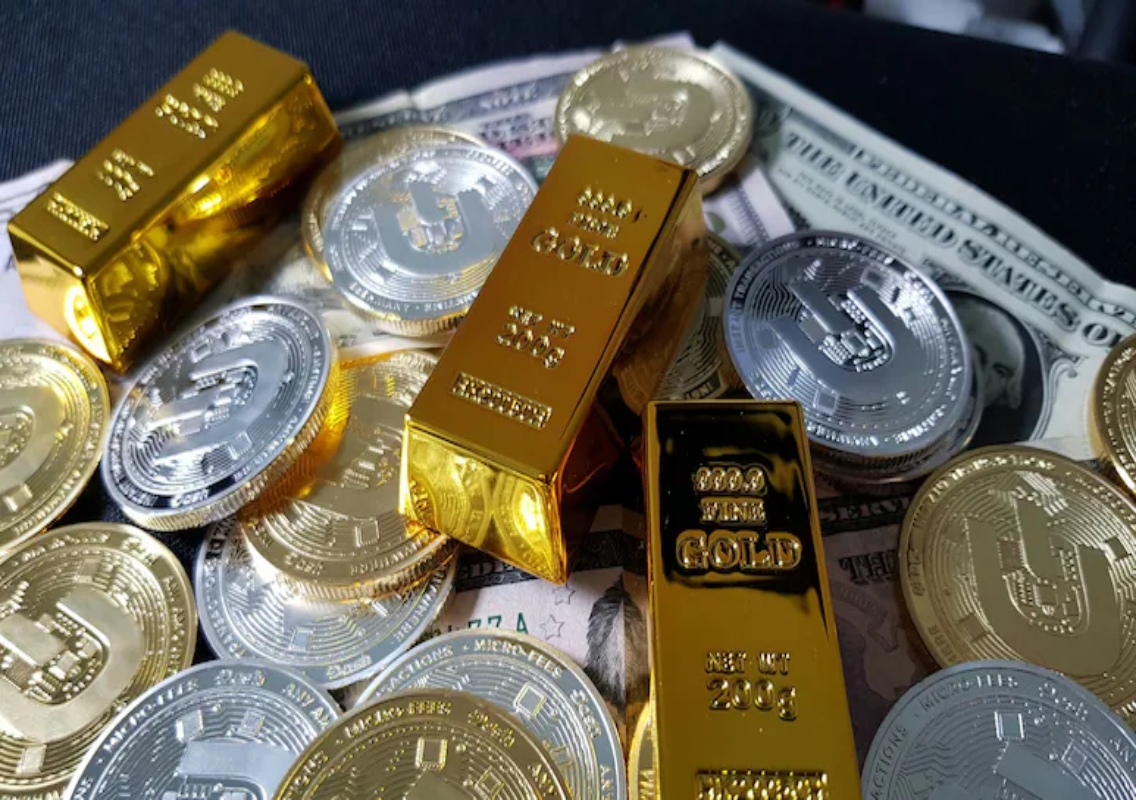


New Delhi: With Dhanteras falling on Friday, November 6, 2026, shoppers across India are weighing three very different purchases: the latest iPhone 18 Pro, gold coins and silver bars. While all three may feature on festive shopping lists, their financial implications are quite different.
A budget of ₹1.65 lakh — the reported price of the 256GB iPhone 18 Pro — could alternatively buy approximately 12 grams of 24-karat gold or around 780 grams of silver, based on the latest market rates.
The choice is not simply about which purchase costs more or looks more attractive. It depends on whether the buyer wants a lifestyle upgrade, a traditional store of value or an investment that could appreciate over time. Gold and silver are investment assets whose prices fluctuate, while a smartphone is primarily a consumption purchase that loses resale value as newer models arrive.
What can ₹1.65 lakh buy this Dhanteras?
The same amount can provide three distinctly different benefits.
| Purchase | Approximate value for ₹1.65 lakh |
|---|---|
| iPhone 18 Pro | 256GB model |
| 24-karat gold | 12 grams |
| Silver | 780 grams |
The iPhone offers immediate practical benefits, including communication, photography, entertainment and other digital services. Gold and silver, on the other hand, can be held as physical assets and may appreciate if their market prices rise.
The comparison also highlights the difference between spending and investing. Buying a smartphone generally involves paying for technology and convenience. Purchasing precious metals involves taking exposure to commodity prices, which can move up or down depending on market conditions.
The actual quantity of gold or silver available to a buyer may vary depending on the prevailing rate, purity, dealer charges, taxes and other transaction costs.
Gold: A traditional store of value
Gold has traditionally been considered a store of value and is widely purchased during Dhanteras and other festive occasions. Many Indian households buy gold coins, jewellery or other forms of the precious metal as part of their savings and wealth-preservation practices.
According to the historical return assumptions discussed in the report, gold has delivered an average annual return of around 10%.
If an investment of ₹1.65 lakh grows at a compounded annual rate of 10% for five years, its estimated value would reach approximately ₹2.65 lakh.
This projection illustrates why gold is often considered for long-term wealth preservation. However, historical returns do not guarantee future performance. Gold prices can fluctuate, and investors may experience periods when prices remain flat or decline.
Buyers should also distinguish between investment-oriented gold coins and jewellery. Jewellery generally involves making charges, which may not be recovered when the item is resold. Purity, hallmarking, purchase documentation and the difference between buying and selling prices are important considerations.
For someone seeking to hold a physical asset rather than purchase a consumer product, gold may be worth considering as part of a diversified financial plan.
Silver: Higher volatility and industrial demand
Silver offers another option for buyers considering precious metals. With ₹1.65 lakh, a purchaser could acquire approximately 780 grams of silver at the rates used in the report.
Silver has both investment and industrial uses. It is used in areas such as electronics, solar technology and other industrial applications. Consequently, its price can be influenced not only by investor demand but also by changes in industrial consumption and supply.
Historical data showing that silver delivered average annual returns of more than 12% between 1999 and 2025.
Using an assumed annual growth rate of 12%, an investment of ₹1.65 lakh could grow to approximately ₹2.90 lakh over five years.
That potential return is higher than the illustrative gold projection. However, silver has historically been more volatile than gold. Its price can experience sharper movements, making it important for buyers to assess their ability to tolerate fluctuations.
The projected value should not be treated as a guaranteed outcome. Actual returns will depend on market prices at the time of purchase and sale, as well as transaction costs and applicable taxes.
iPhone 18 Pro: A lifestyle purchase, not an investment
The 256GB iPhone 18 Pro, priced at approximately ₹1.65 lakh in the report, represents a different kind of purchase.
Unlike gold and silver, a smartphone is not generally bought to preserve wealth or generate financial returns. It is a technology product that offers convenience, productivity and entertainment.
An iPhone can serve as a daily tool for communication, photography, work, online transactions and access to digital services. For someone whose existing smartphone is outdated or no longer meets their requirements, upgrading may provide practical value.
However, smartphones depreciate over time. The arrival of newer models, changes in technology and the condition of the device can reduce its resale value.
Even a premium smartphone may lose a substantial portion of its original value over several years. Unlike precious metals, it does not ordinarily appreciate simply because the owner holds it for a longer period.
Therefore, buyers considering the iPhone should assess whether the upgrade is necessary and whether the purchase fits comfortably within their budget. Festive discounts and exchange offers may make the purchase more attractive, but they do not change its basic nature as a consumption expense.
Which Dhanteras purchase makes more financial sense?
The decision depends on the buyer’s objective rather than the headline price or projected returns.
- Gold: May suit buyers looking for a traditional store of value and exposure to a precious metal over the long term.
- Silver: May appeal to those seeking exposure to a metal with both investment and industrial demand, while accepting higher price volatility.
- iPhone 18 Pro: May be appropriate for someone who needs a smartphone upgrade and can comfortably afford the expense.
It is also important not to invest money needed for essential expenses or emergency savings simply to make a festive purchase. Precious metals should be evaluated as part of a broader financial plan rather than as guaranteed sources of profit.
Dhanteras buying should reflect financial priorities
The comparison between an iPhone 18 Pro, gold coins and silver bars shows how the same ₹1.65 lakh can serve three different purposes. Gold and silver offer potential long-term appreciation but carry market risks, while the iPhone provides immediate lifestyle benefits but depreciates over time.
The five-year projections of approximately ₹2.65 lakh for gold and ₹2.90 lakh for silver are based on assumed historical growth rates, not assured returns. Actual outcomes could be very different.
Ultimately, Dhanteras shopping should be guided by affordability and financial priorities. A purchase made for convenience should not be mistaken for an investment, and an investment should not be judged only by its festive appeal.