







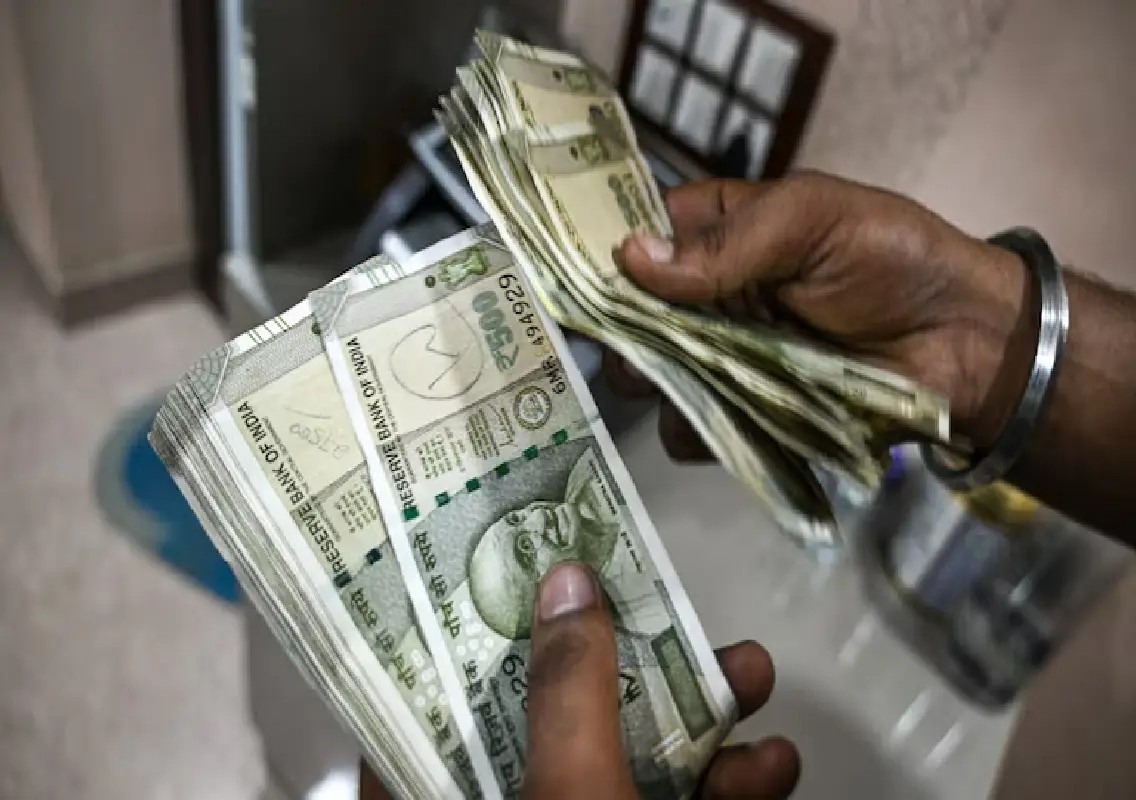


Mumbai: The Indian rupee is witnessing renewed optimism after a challenging start to 2026, with falling crude oil prices, easing geopolitical tensions and recent Reserve Bank of India (RBI) measures helping improve sentiment around the domestic currency.
The rupee, which had been among Asia’s weakest-performing currencies this year, has staged a recovery in recent sessions as global developments turned favourable for India, a major importer of crude oil. Analysts believe the combination of lower energy costs and stronger foreign currency inflows could provide support for the rupee in the coming months.
Oil price decline offers major relief
A key factor behind the rupee’s recent strength has been the sharp decline in crude oil prices following signs of easing tensions in West Asia and reports of a preliminary agreement between the United States and Iran.
As India imports nearly 90 per cent of its crude oil requirements, lower oil prices help reduce the country’s import bill, improve the current account balance and ease pressure on the domestic currency. The rupee recently climbed to a five-week high against the US dollar as crude prices retreated and market sentiment improved.
The improvement marks a significant turnaround from earlier this year, when elevated oil prices and geopolitical uncertainty pushed the rupee to record lows and weighed on investor confidence.
RBI measures attract foreign capital
The RBI has also played a crucial role in supporting the rupee through a series of initiatives aimed at attracting foreign currency inflows.
Recent measures designed to encourage deposits from non-resident Indians (NRIs), particularly through Foreign Currency Non-Resident (FCNR) accounts, are expected to bring substantial dollar inflows into the country. Some estimates suggest these measures could generate inflows exceeding $34 billion, strengthening India’s foreign exchange reserves and supporting the rupee.
Market participants believe these steps have improved confidence in the currency and reduced concerns about further depreciation. Analysts have consequently revised some of their forecasts and now expect the rupee to remain relatively stable or strengthen if current trends continue.
Balance of payments outlook improves
Economists have also pointed to a significant improvement in India’s balance of payments outlook.
Earlier projections had indicated the possibility of a substantial deficit due to high oil prices and capital outflows. However, lower crude prices and expected foreign currency inflows have prompted several analysts to revise their estimates, with some now forecasting a modest surplus instead.
This shift has strengthened expectations that the rupee could continue recovering from its recent lows if external conditions remain supportive.
Challenges remain
Despite the improved outlook, experts caution that risks still exist.
Any renewed rise in crude oil prices, escalation of geopolitical tensions or strengthening of the US dollar could once again put pressure on the rupee. Wholesale inflation in India has also remained elevated due to earlier fuel price increases, highlighting the economy’s sensitivity to global energy markets.
Additionally, the RBI may seek to prevent excessive appreciation in the currency to maintain export competitiveness and manage its foreign exchange operations.
Outlook remains cautiously positive
While a “historic rebound” may still be too early to predict, market sentiment towards the rupee has improved noticeably compared to earlier months.
Lower crude prices, expectations of stronger foreign capital inflows and proactive RBI measures have together created a more supportive environment for the currency. If these factors persist, analysts believe the rupee could continue its gradual recovery against the US dollar in the months ahead.