









New Delhi: Waking up with elevated fasting blood sugar can be concerning for people trying to manage prediabetes. The dawn phenomenon, a natural early-morning rise in blood glucose influenced by hormones such as cortisol and growth hormone, can contribute to higher readings before breakfast.
While one meal cannot independently control blood sugar or reverse prediabetes, choosing a breakfast that combines protein, fibre and healthy fats may help reduce sharp post-meal glucose rises and improve satiety.
Why breakfast composition matters
Prediabetes is often associated with insulin resistance, where the body’s cells do not respond efficiently to insulin. Highly refined carbohydrate-heavy breakfasts, such as sweetened cereals, white bread and fruit juice, can be rapidly digested and may cause a substantial rise in blood glucose.
A breakfast containing protein, fibre and unsaturated fats generally takes longer to digest and can produce a more gradual glucose response.
Research has also examined the so-called “second-meal effect”, in which the composition of one meal can influence the body’s glucose and insulin response to a subsequent meal.
However, individual responses vary. Portion size, physical activity, sleep, medications and overall dietary patterns can all influence blood glucose.
A balanced breakfast formula
A practical approach is to build breakfast around three components:
Protein: Eggs, Greek yoghurt, paneer, dal and other protein-rich foods can increase fullness and help reduce the likelihood of excessive snacking.
Fibre: Vegetables, chia seeds, oats and legumes provide fibre that can slow digestion and carbohydrate absorption.
Healthy fats: Foods such as avocado, nuts and seeds provide unsaturated fats and can contribute to satiety.
Rather than focusing on a single “diabetes-friendly” food, combining these components is generally a more useful strategy.
1. Vegetable egg scramble with avocado
Eggs are naturally low in carbohydrates and provide high-quality protein. They can be combined with vegetables such as spinach, tomatoes, mushrooms, capsicum and onions.
Adding a small portion of avocado provides unsaturated fats and fibre.
A simple breakfast could include two eggs cooked with plenty of vegetables, accompanied by a modest portion of avocado.
The advantage of this combination is that it provides substantial protein and relatively little rapidly absorbed carbohydrate.
However, people with specific dietary restrictions or medical conditions should adjust the ingredients and portions accordingly.
2. Steel-cut oats with chia seeds
Oats can be a useful breakfast choice because they contain beta-glucan, a soluble fibre associated with improved cholesterol levels and potentially better post-meal glucose responses.
Steel-cut or minimally processed oats generally have a slower digestion rate than highly processed instant preparations, although portion size still matters.
Adding chia seeds can increase the fibre content of the meal. Cinnamon can be used for flavour without adding sugar, but it should not be regarded as a substitute for evidence-based diabetes treatment.
A useful combination is cooked oats with chia seeds, unsweetened yoghurt or milk and a small serving of nuts or berries.
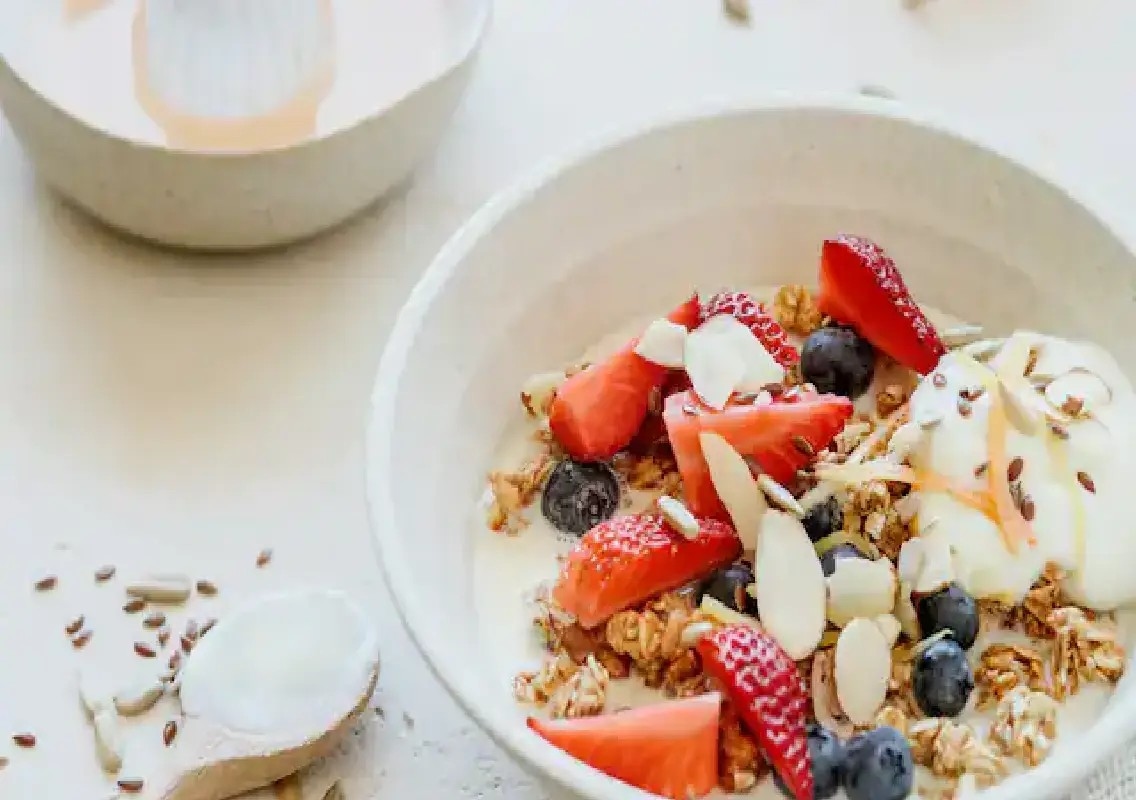
3. Unsweetened Greek yoghurt bowl
Plain Greek yoghurt can provide a substantial amount of protein without the added sugars commonly found in flavoured yoghurt products.
It can be paired with a small serving of berries, walnuts, almonds or chia seeds.
The key is to choose unsweetened yoghurt and avoid adding honey, syrups or sugar.
For those who prefer Indian foods, plain unsweetened dahi can also be incorporated into a balanced breakfast, although its protein content may differ from Greek yoghurt.
4. Moong dal or besan chilla
For an Indian breakfast, moong dal chilla or besan chilla can provide a combination of protein and fibre.
The batter can be prepared with vegetables such as spinach, coriander, onions and tomatoes. A moderate amount of paneer can be added for additional protein.
Compared with a breakfast dominated by refined flour or sugary foods, a dal- or gram-based chilla can provide a more nutrient-dense option.
Portion size remains important, particularly for people monitoring their carbohydrate intake.
Breakfast habits that may work against glucose control
Some common breakfast choices can make blood sugar management more difficult.
Fruit juice: Juicing removes much of the intact fibre from whole fruit and makes it easier to consume a large amount of sugar quickly.
Sweetened smoothies: Smoothies containing fruit juice, honey, syrups or sweetened yoghurt can become high in rapidly available carbohydrates.
Flavoured coffees: Sugar, syrups and sweetened creamers can turn an otherwise low-calorie beverage into a significant source of added sugar.
Refined breakfast foods: Sweetened cereals, pastries and white-bread-based meals may produce a faster glucose response than meals containing whole grains, legumes, vegetables and protein.
Oversized portions: Even nutritious carbohydrate-containing foods can raise blood glucose substantially when consumed in excessive quantities.
Does everyone with prediabetes need to eat immediately?
There is no universal rule that everyone with prediabetes must eat within a particular number of minutes after waking.
Meal timing should be individualised based on medication use, hunger, activity levels, sleep patterns and blood glucose responses.
People taking glucose-lowering medicines should be especially careful about changing meal timing without discussing it with their healthcare professional.
Likewise, breakfast should not be viewed as a treatment for prediabetes by itself.
Lifestyle matters beyond breakfast
Managing prediabetes requires a broader approach than changing one meal.
Regular physical activity, maintaining a healthy weight where appropriate, adequate sleep, limiting added sugars and refined carbohydrates, and following an overall balanced eating pattern can all contribute to better metabolic health.
For some people, even a short walk after meals can help reduce post-meal blood glucose. Individual exercise recommendations should take existing health conditions and fitness levels into account.
Monitoring blood glucose as advised by a healthcare professional can also help identify which meals cause larger glucose rises.
A practical way to build your morning plate
Instead of completely eliminating carbohydrates, consider combining a protein-rich food with high-fibre vegetables or whole grains and a small amount of healthy fat.
For example, eggs with vegetables and avocado, oats with chia seeds and unsweetened yoghurt, or moong dal chilla with paneer and vegetables can form balanced options.
The goal is not to find one “miracle” breakfast but to establish a consistent eating pattern that supports stable blood glucose.
People with persistently elevated fasting glucose should also speak with a doctor and have appropriate testing rather than attempting to manage the condition solely through diet. Prediabetes can often be improved with sustained lifestyle changes, but individual treatment needs vary.