







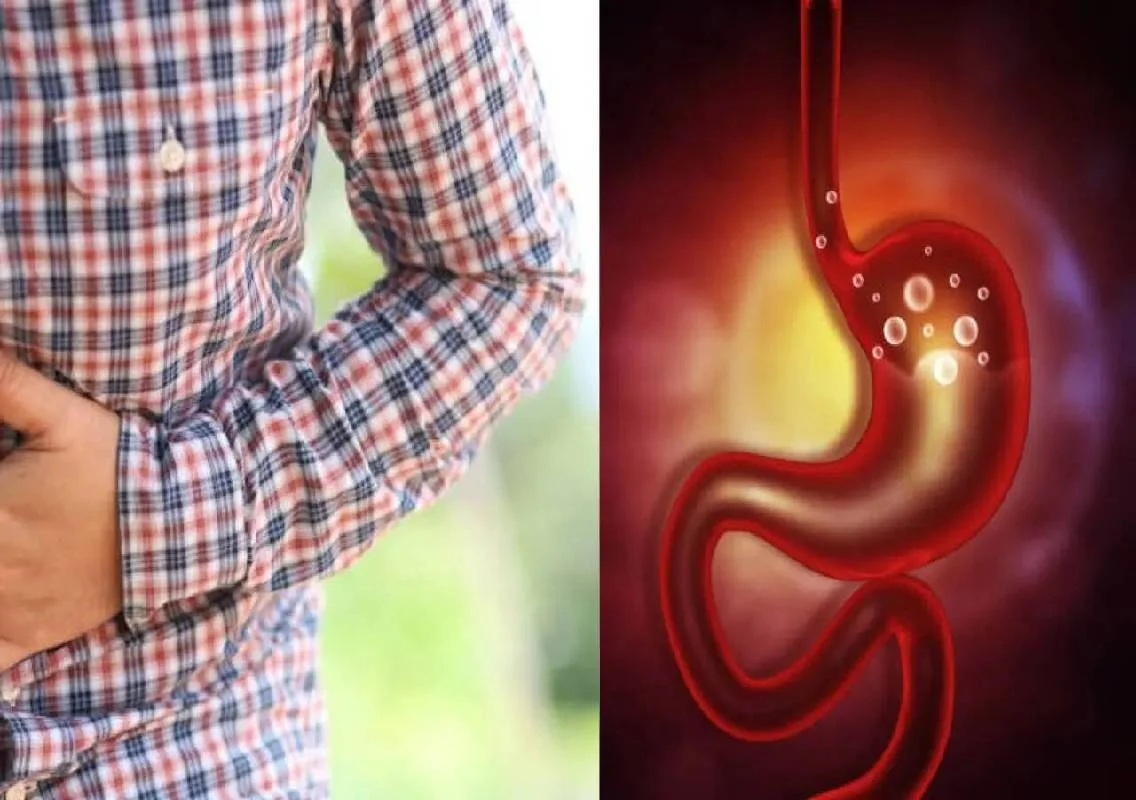


Gas, bloating, and abdominal discomfort are common digestive complaints, often linked to diet or lifestyle. However, health experts warn that persistent symptoms may point to a more serious issue — a gut motility disorder, where the digestive system fails to move food efficiently.
According to specialists, conditions like Gastroparesis and Irritable Bowel Syndrome are commonly associated with impaired gut motility and can significantly affect digestion and overall health if left untreated.
What is gut motility?
Gut motility refers to the movement of food through the gastrointestinal tract, driven by coordinated muscle contractions. When this process functions properly, food moves smoothly from the stomach to the intestines for digestion and absorption.
However, when motility is impaired, these muscle contractions become irregular, slow, or ineffective. This disruption can lead to delayed digestion, poor nutrient absorption, and a range of uncomfortable symptoms.
Medical experts note that such disorders may arise due to nerve dysfunction, muscle issues, or underlying health conditions.
7 warning signs to watch out for
While occasional gas is normal, the following symptoms may indicate a deeper problem:
Persistent bloating
If bloating continues for weeks and does not improve with dietary changes or medication, it could signal delayed gastric emptying or intestinal dysfunction.
Early fullness after eating
Feeling full after just a few bites may point to gastroparesis, where the stomach empties food more slowly than normal.
Frequent nausea or vomiting
Regular nausea, especially after meals, suggests food is not moving properly through the digestive system.
Severe constipation or irregular bowel habits
Chronic constipation, or alternating between constipation and diarrhoea, may indicate disrupted intestinal movement.
Unexplained weight loss
Sudden weight loss without lifestyle changes is a red flag. Poor motility can affect nutrient intake and absorption, leading to deficiencies.
Persistent abdominal pain
Unlike typical gas pain that subsides quickly, ongoing or worsening abdominal pain may indicate a functional or structural issue.
Symptoms affecting daily life
If digestive problems interfere with sleep, appetite, or daily activities, it is important to seek medical attention.
What causes gut motility disorders
Several underlying conditions can disrupt gut movement, including:
- Diabetes, which can damage nerves controlling digestion
- Hypothyroidism, slowing metabolic processes
- Chronic inflammation in the digestive tract
- Nerve or muscle dysfunction affecting intestinal contractions
These factors interfere with the signals that regulate digestion, leading to delayed or irregular food movement.
Diagnosis and treatment options
Diagnosing a gut motility disorder involves a combination of clinical evaluation, symptom history, blood tests, imaging, and specialised motility tests.
Treatment depends on the severity and underlying cause. Common approaches include:
- Dietary changes, such as low-fat and easily digestible foods
- Medications to improve gut movement
- Managing associated conditions like diabetes or hypertension
In severe cases, advanced interventions such as endoscopic procedures or surgery may be required.
Conclusion
While gas and bloating are often harmless, persistent or severe symptoms should not be ignored. Early diagnosis of gut motility disorders can prevent complications and improve quality of life.
Recognising the warning signs and seeking timely medical advice can help ensure effective treatment and better digestive health.