







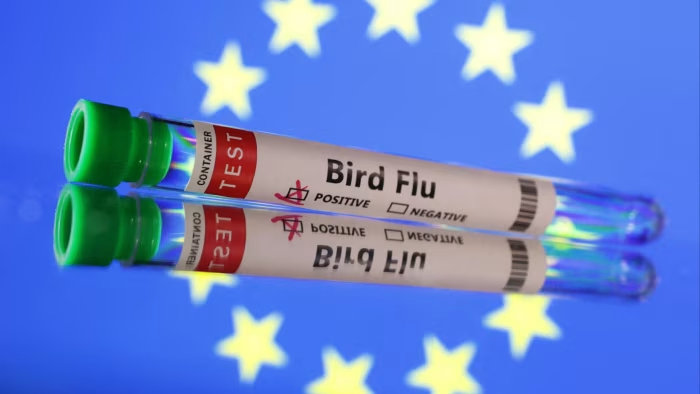


Avian influenza viruses are evolving, posing an increasing threat to both animals and humans. These viruses have the potential to mutate and adapt to human hosts, which could trigger future pandemics. The European Centre for Disease Prevention and Control (ECDC) and the European Food Safety Authority (EFSA) have published joint scientific advice on monitoring avian influenza, assessing its mutations, and providing guidelines for effective responses. Their recommendations draw on extensive genetic analysis, human case studies, and antibody research.
Pamela Rendi-Wagner, Director of ECDC, stressed the importance of preparedness, urging European nations to stay vigilant in the face of this growing threat. “Strong preparedness plans are crucial to protect public health in Europe,” she stated.
In 2024, the reach of avian influenza viruses extended to previously unaffected species, prompting the identification of 34 mutations that may increase the virus’s potential to spread to humans. Bernhard Url, EFSA’s Acting Executive Director, highlighted the importance of collaboration and rapid detection to manage these emerging risks.
Key recommendations include enhanced genetic sequencing to monitor virus mutations, improved animal surveillance to track outbreaks, and increased public health vigilance to identify human cases early. Measures to prevent the spread include strengthening farm biosecurity, vaccinating poultry, and raising awareness among healthcare workers and at-risk populations.
The joint guidelines from ECDC and EFSA offer a comprehensive approach, promoting a “One Health” response to address the intersection of human, animal, and environmental health.
Doctors Warn of Early Influenza Outbreak in Bengaluru Amidst Monsoon
New diagnostic tool to detect co-infections in humans
#AvianInfluenza #OneHealthApproach #ECDC #EFSA