







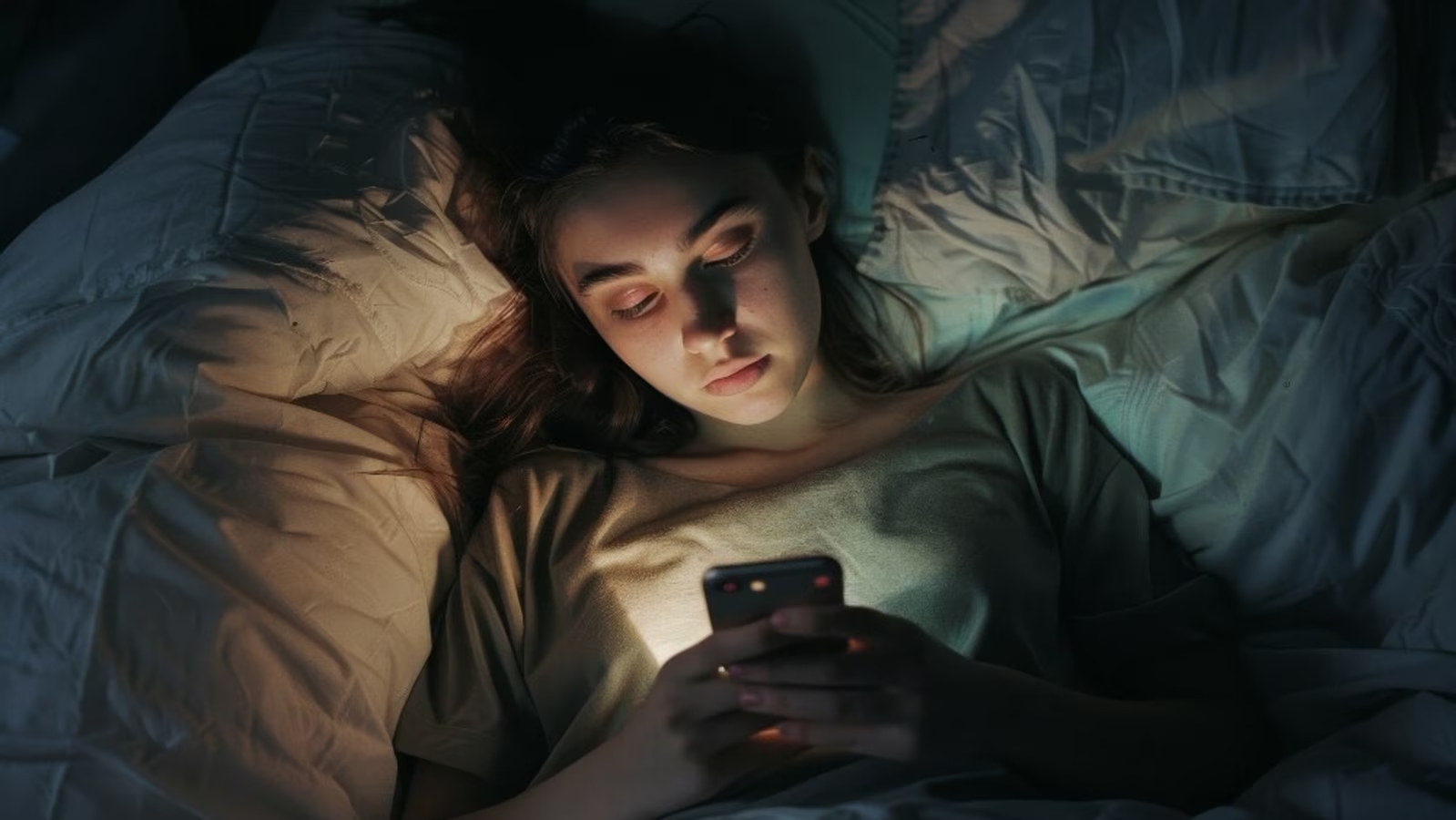


A study by The First Hospital of Hebei Medical University, published in the British Medical Journal, reveals a strong association between watching short videos at bedtime and essential hypertension in young and middle-aged people. Conducted on 4,318 participants undergoing medical exams in 2023, the research employed statistical analysis using R programming and developed a nomogram model to predict hypertension risk in this demographic.
The findings underscore that prolonged screen exposure disrupts sleep, overstimulates the brain, and contributes to poor lifestyle choices, which are critical factors in the onset of essential hypertension. This condition, characterized by a gradual increase in blood pressure without a specific cause, poses significant cardiovascular risks.
Experts, including Dr. Deepak Krishnamurthy from Bengaluru, warn against “reel addiction,” linking it to rising blood pressure. Dr. Chandril Chugh also emphasizes how overstimulation from nighttime screen usage delays the body’s natural wind-down process, aggravating health risks.
Tips to reduce bedtime screen time:
- Set a screen curfew: Power down devices at least an hour before bed.
- Create a tech-free bedtime routine: Opt for activities like reading or yoga.
- Charge devices outside the bedroom: Maintain a screen-free sleep space.
- Use an alarm clock: Avoid using phones as alarms to reduce screen temptation.
- Activate night mode: Minimize blue light to support melatonin production.
Adopting these habits can improve sleep and protect cardiovascular health.
8 new year’s resolutions to strengthen your family’s well-being
Bengaluru Woman Wins ₹9 Lakh for Sleeping: A Unique Sleep Champion Story
#HypertensionRisk #BedtimeScreening #HealthySleepHabits #DigitalDetox