







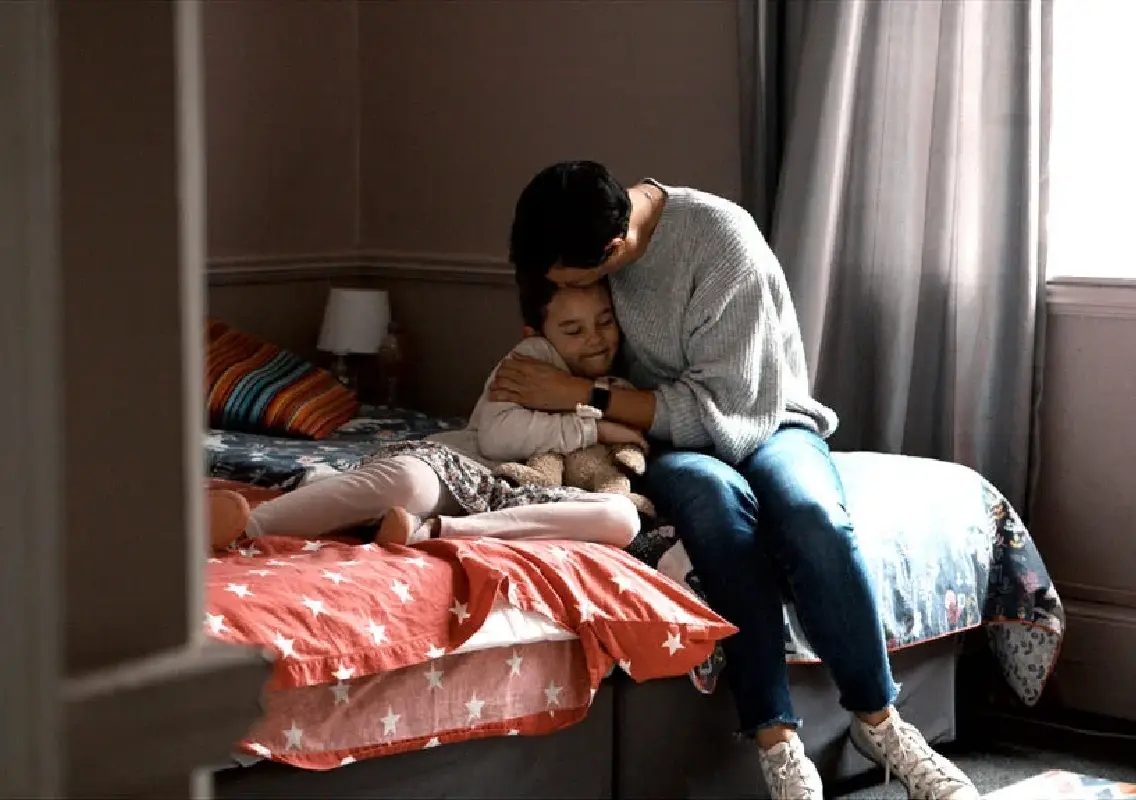


Bedwetting, often dismissed as a temporary phase, is increasingly being recognised by medical experts as a treatable health condition — especially when it persists beyond the age of six.
Not a behavioural issue but a medical condition
Medically known as nocturnal enuresis, bedwetting becomes clinically significant when a child older than six continues to pass urine during sleep more than twice a week.
Doctors stress that it is not caused by laziness, emotional issues, or deep sleep, as commonly believed. Instead, it is a physiological condition requiring proper evaluation.
Types and underlying causes
Bedwetting is broadly classified into two types:
- Primary bedwetting: When a child has never consistently achieved nighttime dryness
- Secondary bedwetting: When bedwetting returns after at least six months of dryness
Common medical causes include excessive urine production at night, reduced bladder capacity, and genetic factors. Some children may also experience daytime urinary symptoms, further confirming its medical basis.
Myth: Puberty will fix it
A widespread belief is that bedwetting resolves automatically during puberty. However, experts emphasise that there is no scientific evidence supporting this claim.
Delaying treatment in the hope that the condition will resolve on its own often prolongs the problem and reduces the chances of early recovery.
Emotional impact on teenagers
While bedwetting does not damage physical health, its emotional impact can be significant — particularly among adolescents.
Teenagers may experience embarrassment, avoid social activities like sleepovers, and develop anxiety or low self-esteem. Many silently cope with the issue, which can affect their overall well-being.
Early treatment shows high success
Medical professionals highlight that bedwetting is highly treatable. With proper evaluation — including bladder assessments and basic tests — targeted treatment can be started.
Treatment typically lasts three to six months and may involve safe medications and behavioural strategies. Studies indicate that up to 85–90 per cent of children respond well when treated early.
Need for specialised care
Experts recommend consulting a paediatric nephrologist, particularly in specialised clinics focused on bedwetting disorders. However, limited availability of such centres often leads families to seek help from unrelated specialists.
Timely care can change lives
Doctors stress that every child above six experiencing bedwetting deserves timely medical attention. Early intervention not only resolves the condition but also prevents long-term emotional distress.