









New Delhi: If you often feel tired during the day despite getting adequate sleep, your diet may be worth examining. While poor sleep, stress and an unhealthy routine can contribute to fatigue, deficiencies of nutrients such as iron, magnesium and B vitamins can also affect energy levels.
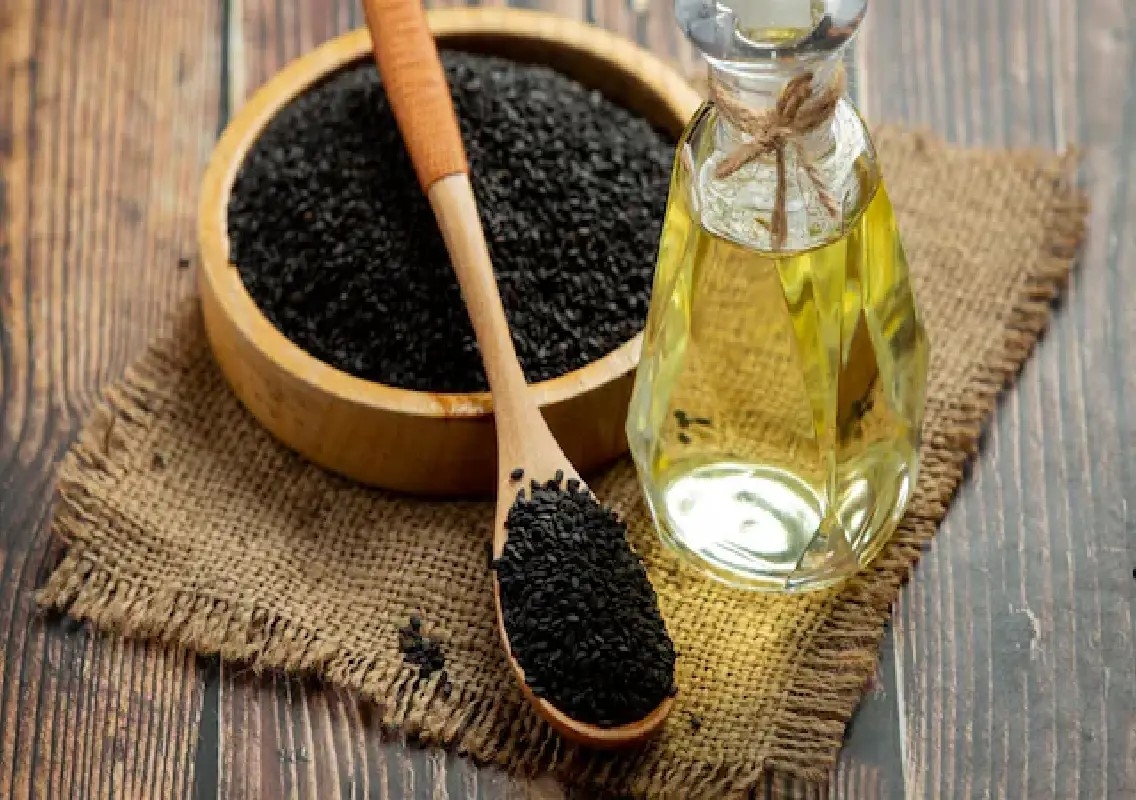
Black sesame seeds, commonly known as kala til, are a nutrient-rich addition to the diet and provide several minerals and healthy fats. However, they should not be considered a cure for persistent fatigue or a substitute for identifying an underlying medical problem.
Why black sesame seeds may support energy
The body needs several nutrients to produce energy and maintain normal blood function. Black sesame seeds contain iron, magnesium, copper and B vitamins, along with protein and healthy fats.
Iron is particularly important because it is required to make haemoglobin, the protein that carries oxygen through the blood. Iron deficiency can cause tiredness and weakness, especially when it progresses to anaemia.
Magnesium also participates in hundreds of biochemical reactions, including those involved in energy metabolism and normal muscle and nerve function.
Black sesame seeds additionally contain plant compounds called lignans, including sesamin and sesamolin, which have antioxidant properties.
Black sesame seeds vs caffeine
Coffee can make you feel more alert because caffeine temporarily blocks adenosine receptors in the brain, reducing the sensation of sleepiness. It does not, however, provide the nutrients needed for cellular energy production.
Nutrient-rich foods such as sesame seeds can contribute to an overall balanced diet, but they are not an instant energy booster. If fatigue is persistent, simply adding sesame seeds while increasing caffeine intake may not address the underlying cause.
How to include kala til in your diet
Black sesame seeds can easily be incorporated into everyday meals.
- Roasted sesame powder: Lightly roast the seeds and grind them before adding them to porridge, yoghurt or smoothies.
- Sesame milk: Add a small quantity of ground sesame to warm milk.
- Sesame laddoo: Combine roasted sesame with dates or other naturally sweet ingredients for a snack.
- Breakfast topping: Sprinkle them over oatmeal, yoghurt or other breakfast dishes.
A practical portion is around 1 tablespoon (10–12 grams) a day, although individual nutritional requirements can vary.
Does roasting improve absorption?
Light roasting and grinding can make sesame seeds easier to consume and digest. Sesame seeds also contain compounds such as phytates and oxalates that can influence mineral absorption.
However, it would be inaccurate to claim that roasting makes all the iron or copper in sesame highly bioavailable. The body’s absorption of plant-based iron is influenced by several dietary factors, including what is eaten alongside it.
Pairing plant sources of iron with vitamin-C-rich foods can help improve non-heme iron absorption.
What research says
Research has investigated sesame seeds for their antioxidant properties, cardiovascular effects and other potential health benefits. Some studies have reported improvements in markers such as blood pressure or oxidative stress, but evidence that black sesame specifically treats everyday fatigue is limited.
Therefore, black sesame should be viewed as a nutrient-dense food, rather than a proven treatment for chronic tiredness.
When fatigue needs medical attention
Persistent exhaustion can have many causes, including iron-deficiency anaemia, vitamin B12 deficiency, thyroid disorders, sleep problems, infections, depression and other medical conditions.
If tiredness continues despite adequate sleep and a balanced diet, or is accompanied by symptoms such as breathlessness, dizziness, unexplained weight changes, persistent fever or unusual weakness, medical evaluation is advisable.
Black sesame seeds can be a healthy addition to a varied diet, but they cannot replace diagnosis and treatment when an underlying condition is responsible for fatigue.