









A Common but Often Misunderstood Disorder
Polycystic ovary syndrome (PCOS) affects up to 15% of women worldwide, yet remains widely misunderstood and underdiagnosed. For Ms Anna Haotanto, founder of femtech startup Zora Health, years of irregular periods, weight gain, and acne were dismissed as “normal” until a shocking PCOS diagnosis at 34.
Symptoms Often Dismissed
From fatigue and brain fog to hormonal acne and mood swings, PCOS symptoms vary—often misattributed to stress or lifestyle choices. “It made me question everything—even if my body would support motherhood,” says Haotanto.
Two PCOS Subtypes, One Common Struggle
- Reproductive subtype: More common among Chinese women, involves irregular periods but minimal weight gain.
- Metabolic subtype: Common in Indian and Caucasian women, includes insulin resistance, weight gain, and higher diabetes risk.
The Emotional Toll
Beyond physical symptoms, PCOS deeply affects mental health, self-image, and fertility expectations.
Entrepreneur Maya Kale, diagnosed at 15, says: “It was mentally draining—facial hair, mood swings, and weight issues chipped away at my confidence.”
Turning the Tide with Lifestyle and Advocacy
Maya ditched long-term birth control, embraced anti-inflammatory diets, low-impact workouts, and founded Moom Health to support hormonal wellness.
Valery Tan, co-founder of Surety, learned to tune into her body:
“Weight changes and sugar cravings aren’t character flaws—they’re symptoms. Honour your energy cycles.”
A Call to Rethink Women’s Health
Experts urge earlier, less invasive diagnosis and highlight 5–10% weight loss as game-changing.
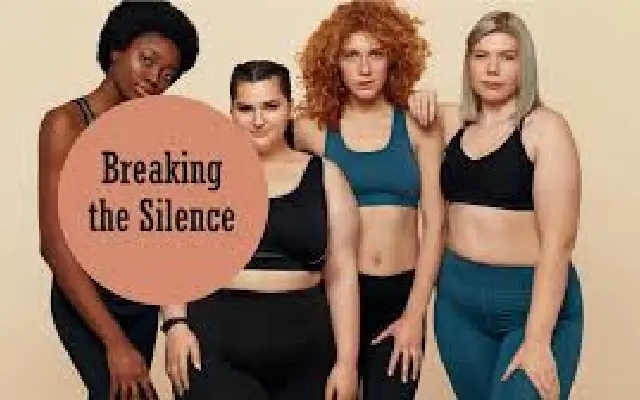
As awareness grows, more women are refusing to suffer silently.
Takeaway
PCOS doesn’t define you. With knowledge, support, and the right care, women are rewriting their health journeys—on their own terms.
Read also: