







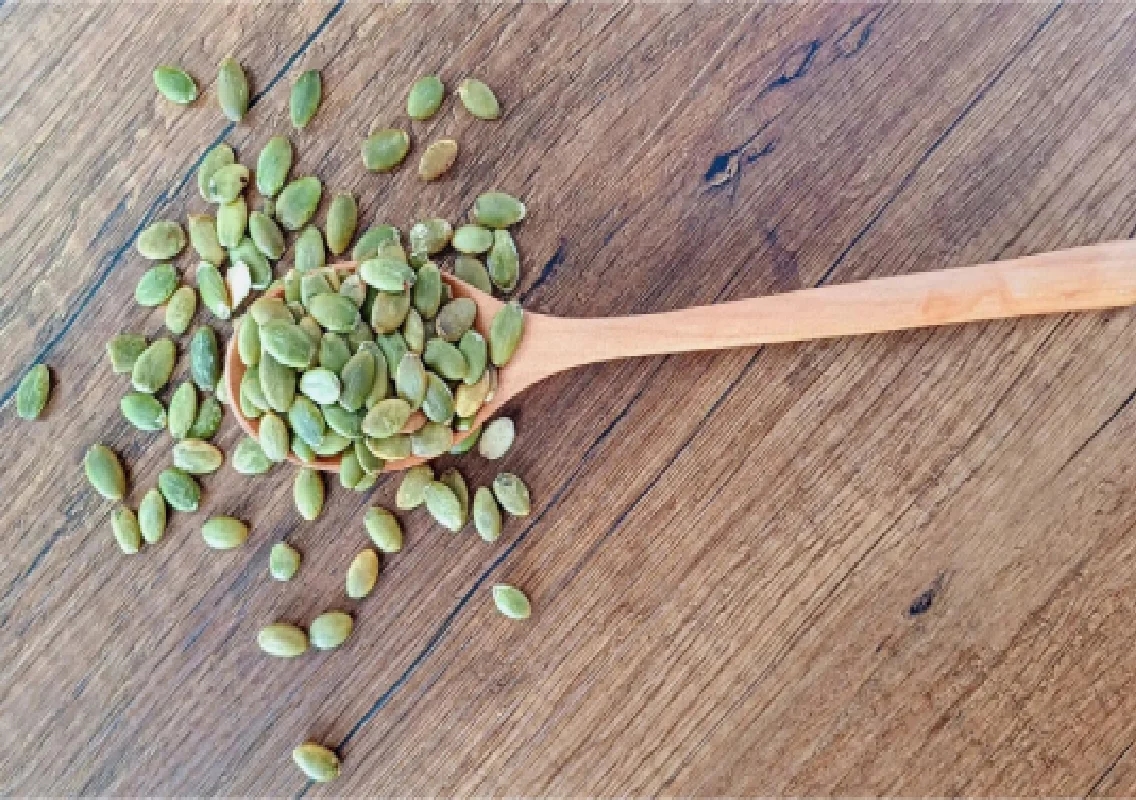


Waking up suddenly in the middle of the night—often around 2 AM or 3 AM—is a common sleep disturbance many people experience. One possible reason for this pattern is a drop in blood sugar levels during sleep, which can trigger the body to release stress hormones and interrupt rest. Some nutrition experts suggest that eating a small portion of pumpkin seeds before bed may help support more stable energy levels overnight and reduce these wake-ups.
Why blood sugar drops can wake you at night?
During sleep, the body continues to use glucose as a source of energy. If blood sugar levels drop too low overnight, the body reacts by releasing stress hormones such as cortisol and adrenaline to raise glucose levels again.
These hormones activate the nervous system and may wake the body suddenly, pulling a person out of deep sleep. This is why some individuals find themselves awake at the same time each night, often feeling alert or restless.
Maintaining stable blood glucose levels through the night may help reduce this cycle of sudden awakenings.
How pumpkin seeds may help?
Eating one tablespoon of pumpkin seeds before bedtime can provide a small yet balanced mix of nutrients that digest slowly. Pumpkin seeds contain:
- Protein
- Healthy fats
- Essential minerals
This combination slows digestion and allows nutrients to be released gradually while the body rests. A slow release of energy overnight may help prevent sudden drops in blood sugar, which can otherwise trigger stress hormone release and disrupt sleep.
The role of magnesium in sleep
Pumpkin seeds are particularly rich in magnesium, an essential mineral known for its role in relaxation and sleep regulation.
Magnesium supports the nervous system by helping regulate neurotransmitters involved in sleep. It also helps calm the body and reduce stress signals that can interfere with restful sleep.
Adequate magnesium levels are associated with:
- Improved sleep quality
- Reduced nighttime restlessness
- Better relaxation before sleep
Because pumpkin seeds are one of the natural dietary sources of magnesium, they may contribute to healthier sleep patterns when included in a balanced diet.
Tryptophan and sleep hormones
Another important nutrient found in pumpkin seeds is tryptophan, an amino acid involved in producing sleep-related hormones.
Tryptophan helps the body produce:
- Serotonin, which supports mood and relaxation
- Melatonin, the hormone that regulates the sleep–wake cycle
These compounds play a crucial role in maintaining the body’s natural circadian rhythm, allowing the body to transition smoothly into deeper stages of sleep.
A small habit that may support better sleep
While sleep quality depends on many factors—including stress levels, overall diet, screen exposure, and lifestyle habits—small nutritional adjustments may also help support better rest.
Adding a tablespoon of pumpkin seeds before bedtime may provide nutrients that help stabilise energy levels overnight and support relaxation. However, it should be considered a supportive habit rather than a guaranteed solution.
Maintaining consistent sleep routines, balanced meals, and stress management techniques remains essential for achieving deeper and more restorative sleep.
Incorporating simple dietary habits like pumpkin seeds may be one small step toward improving nighttime stability and reducing unwanted awakenings.