









New Delhi: Chikungunya is best known for causing sudden fever and severe joint pain, but for some patients, the symptoms can continue even after the acute infection has settled. Joint stiffness, swelling and musculoskeletal pain may persist for weeks or months, affecting mobility and everyday activities.
During recovery, medical treatment and appropriate physical activity remain important. Diet can also support overall recovery by providing adequate protein, fluids, vitamins, minerals and healthy fats. However, no specific food or diet has been proven to cure post-chikungunya arthritis or dramatically shorten its duration.
The condition develops partly because the body’s inflammatory response can continue after the acute viral illness has passed. A balanced eating pattern that emphasises minimally processed foods may help support general health while the inflammation gradually settles.
Why joint pain can continue after chikungunya
Chikungunya is caused by the chikungunya virus, an alphavirus transmitted primarily by infected Aedes mosquitoes.
The initial illness commonly causes fever, rash, headache and significant pain in the joints. Although the fever often improves within several days, joint symptoms can be much more persistent in some patients.
The immune response triggered by the infection contributes to inflammation in and around the joints. In some people, this inflammatory process does not immediately disappear when the viral infection itself has subsided.
As a result, patients may continue to experience stiffness, tenderness, swelling and difficulty moving affected joints.
Older adults and people who develop particularly severe joint symptoms during the acute infection may be more likely to experience prolonged problems.
Can an anti-inflammatory diet help?
Nutrition cannot replace medical treatment for persistent chikungunya-related arthritis. However, a diet rich in vegetables, fruits, whole grains, legumes, nuts, seeds and healthy sources of protein can provide nutrients required for normal immune function and tissue repair.
An eating pattern similar to an anti-inflammatory diet may also be preferable to one dominated by refined carbohydrates, sugary drinks and highly processed foods.
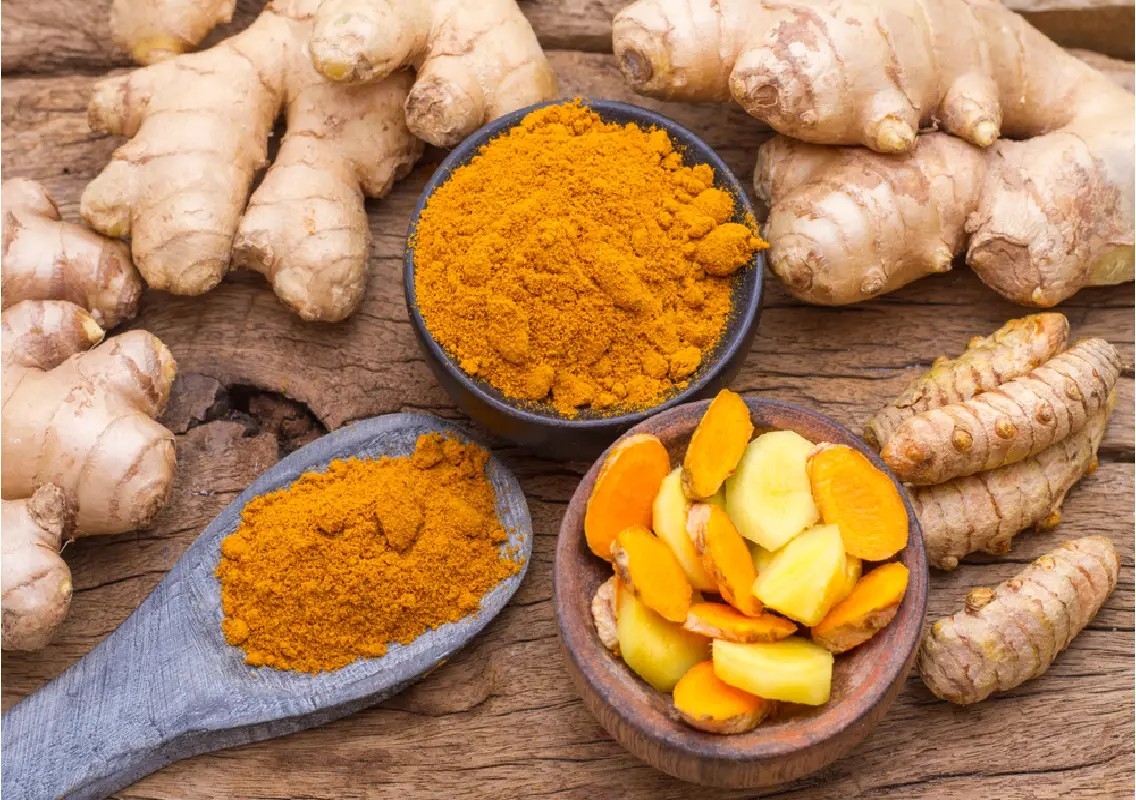
Dr Priyanka Rohatgi, Chief Clinical Dietitian and Executive Director of Clinical Nutrition and Dietetics at Apollo Hospitals, Bengaluru, has highlighted turmeric and curcumin as potentially useful components of a balanced recovery diet.
Curcumin is a compound found in turmeric that has demonstrated anti-inflammatory properties in laboratory and clinical research. Its absorption from the digestive tract is relatively low, and black pepper contains piperine, which can increase curcumin absorption.
However, turmeric should be considered a dietary ingredient rather than a substitute for prescribed medicines.
1. Include turmeric and other polyphenol-rich foods
Turmeric can be incorporated into ordinary meals, soups or milk-based beverages.
Combining turmeric with black pepper is commonly suggested because piperine can improve the absorption of curcumin. Adding a small amount of healthy fat to a meal may also help with the absorption of fat-soluble compounds.
Other foods containing potentially beneficial plant compounds include berries, colourful vegetables, leafy greens, ginger, garlic, green tea and a variety of fruits.
Rather than relying on one so-called “superfood”, patients can benefit from consuming a wide variety of plant foods throughout the week.
2. Add sources of omega-3 fats
Omega-3 fatty acids are another important component of a balanced diet.
Fatty fish such as sardines, mackerel and salmon provide the long-chain omega-3 fatty acids EPA and DHA. For vegetarians, flaxseeds, chia seeds and walnuts provide alpha-linolenic acid (ALA).
These foods can be included regularly as part of an overall healthy eating pattern.
For example, ground flaxseed can be added to porridge or yoghurt, while soaked chia seeds can be included in a breakfast bowl or smoothie.
People who eat fish can include appropriately prepared oily fish as part of their regular meals.
3. Stay adequately hydrated
Adequate fluid intake is particularly important during recovery from an infection.
Water should remain the primary source of hydration. Coconut water, soups and other fluids can also contribute to daily fluid intake.
Dr Charu Dua, Chief Clinical Dietitian and Head of Department at Max Super Speciality Hospital, Vaishali, has highlighted hydration as an important consideration during recovery from viral infections.
Dehydration can contribute to feelings of fatigue and may make an already uncomfortable recovery period more difficult.
There is no need to rely on expensive electrolyte products unless they are medically indicated. In people who have ongoing vomiting, diarrhoea or significant fluid loss, a doctor may recommend an appropriate oral rehydration solution.
4. Focus on vitamin- and mineral-rich foods
A varied diet can provide nutrients needed for normal tissue maintenance and immune function.
Vitamin C-rich foods include amla, guava, oranges, lemons, papaya and other fruits and vegetables.
Leafy greens can provide folate, vitamin K and other micronutrients, while nuts and seeds contribute healthy fats, minerals and protein.
Zinc is found in foods such as legumes, nuts, seeds, dairy products, eggs and meat.
Rather than taking high-dose supplements without medical advice, patients should generally aim to obtain nutrients through a varied diet unless a deficiency has been identified.
A simple meal plan for recovery
A practical daily eating pattern can include a combination of complex carbohydrates, protein, vegetables, fruit and healthy fats.
Early morning
A glass of water followed by a small serving of soaked almonds can be a simple start to the day.
Fenugreek water is sometimes promoted for inflammation, but there is limited evidence that it specifically treats post-chikungunya joint pain. It should therefore not be considered essential.
Breakfast
Vegetable oats, vegetable upma, moong dal chilla or a balanced breakfast containing whole grains and protein can provide sustained energy.
Adding spinach or other vegetables increases the meal’s fibre and micronutrient content.
Mid-morning
Fresh fruit, coconut water or plain yoghurt can provide fluids and nutrients.
Amla or other vitamin C-rich fruits can also be included as part of the diet.
Lunch
A balanced lunch could include brown rice, millet or jowar roti, along with dal, vegetables and a source of protein.
For non-vegetarians, grilled or steamed fish can be included. Vegetarians can choose dal, beans, tofu, paneer or other protein-rich foods.
Evening snack
Ginger tea without excessive sugar and a small serving of roasted makhana, nuts or seeds can be a better choice than packaged fried snacks.
Ginger contains bioactive compounds such as gingerols, although evidence that consuming ginger specifically treats post-chikungunya arthritis remains limited.
Dinner
A lighter meal consisting of vegetable soup, dal, tofu or paneer and cooked vegetables can provide protein and micronutrients without being excessively heavy.
Bedtime
Warm milk with a small amount of turmeric can be consumed if the person tolerates dairy.
A pinch of black pepper can be added, although this should be viewed as a dietary option rather than a medical treatment for joint inflammation.
Foods better limited during recovery
Patients recovering from prolonged chikungunya symptoms may benefit from limiting foods that provide large amounts of added sugar, unhealthy fats and sodium without offering much nutritional value.
Sugary beverages, sweets, packaged snacks, highly refined bakery products and frequent deep-fried foods can displace more nutritious choices.
Excessive salt intake may also contribute to fluid retention in some people.
This does not mean that patients need to follow an extremely restrictive diet. An occasional treat is unlikely to determine the course of recovery. The overall dietary pattern is more important.
Protein is important for recovery
Adequate protein should not be overlooked while focusing on anti-inflammatory foods.
The body requires protein for maintaining muscles and supporting tissue repair. Prolonged illness and reduced physical activity can also contribute to muscle loss.
Good options include dal, beans, chickpeas, eggs, fish, chicken, milk, curd, paneer, tofu, nuts and seeds.
The appropriate amount depends on a person’s age, body weight, activity level and medical conditions.
Gentle movement also matters
Nutrition is only one component of recovery.
Patients with persistent joint pain may benefit from appropriate stretching and gentle mobility exercises. However, exercise intensity should be adjusted according to symptoms.
Trying to push through severe joint pain can potentially worsen discomfort. A doctor or physiotherapist can recommend an appropriate rehabilitation programme when symptoms persist.
Patients experiencing prolonged swelling, significant stiffness or reduced mobility should also be evaluated by a healthcare professional to determine whether they have developed chronic chikungunya-related arthritis or another joint condition.
When medical attention is needed
Persistent joint pain after chikungunya should not automatically be attributed to the infection.
Medical evaluation is particularly important when joint swelling or pain continues for several weeks, symptoms are worsening, movement is significantly restricted, or new symptoms develop.
A doctor may assess the joints and determine whether further investigations or treatment are required.
There is currently no food that can eliminate chikungunya virus-related arthritis. Dietary changes should therefore complement, rather than replace, medical care.
A balanced approach to recovery
Post-chikungunya joint symptoms can be frustrating because recovery may take considerably longer than the initial fever.
A balanced diet rich in vegetables, fruits, whole grains, legumes, nuts, seeds, adequate protein and healthy fats can support overall recovery. Staying hydrated and limiting highly processed foods can further contribute to good nutrition.
Turmeric, ginger, omega-3-rich foods and antioxidant-containing fruits and vegetables can all have a place in such a diet, but their benefits should not be overstated.
For people whose joint pain persists beyond the acute infection, the most effective approach is likely to combine medical assessment, appropriate physical rehabilitation, adequate nutrition and patience as the body recovers.