







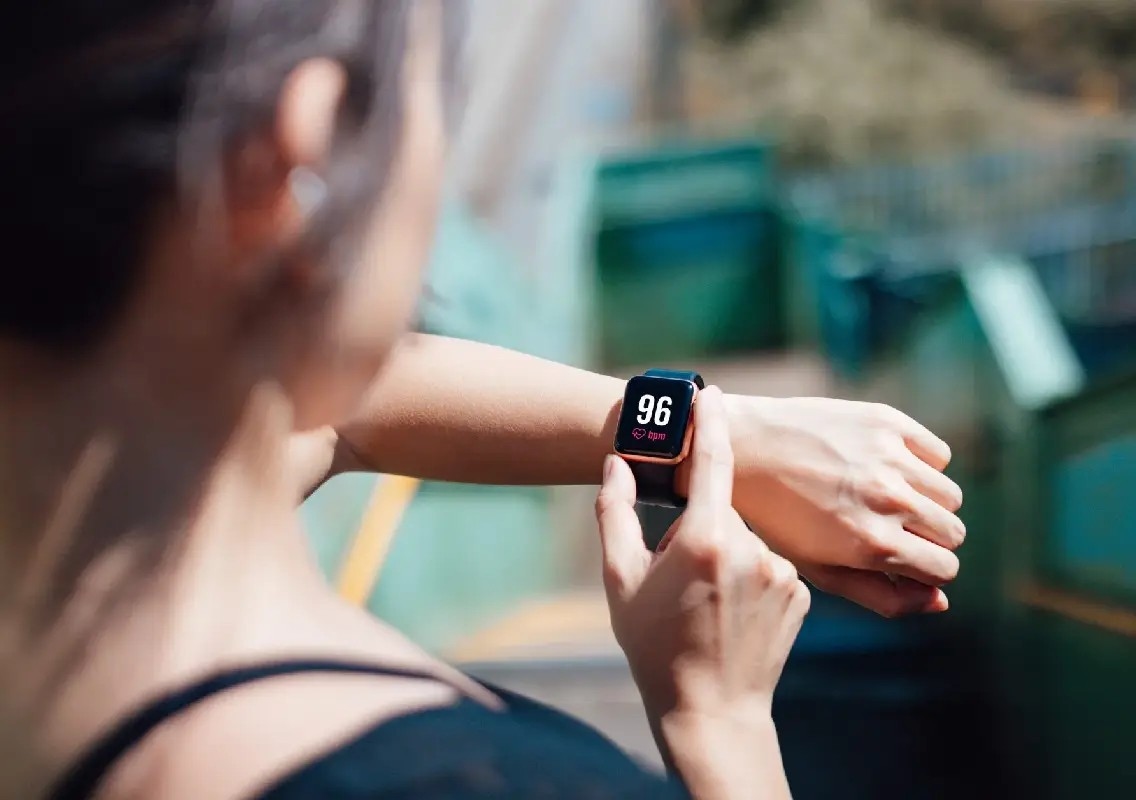


Smartwatches and fitness trackers have become an essential part of daily life for millions, helping users monitor heart rate, sleep quality, activity levels and overall health. However, emerging research suggests that for some people, constantly tracking bodily data may have unintended effects on mental wellbeing.
Experts say wearable devices can sometimes trigger anxiety, particularly when readings differ from what users expect to see.
When data creates worry
Researchers explain that the human brain constantly predicts and interprets signals from the body. Most of the time, minor variations in heart rate, breathing or temperature are processed automatically without causing concern.
Problems can arise when a wearable device presents data that appears unusual or unexpected.
For example, a person feeling completely healthy may suddenly become anxious after noticing a higher-than-expected heart rate on their smartwatch. Even when there is a harmless explanation, such as exercise, stress, caffeine or altitude, the numerical reading can create worry.
Psychologists describe this as a mismatch between expectation and information received from the body.
Anxiety and constant monitoring
Studies suggest the impact may be greater among individuals who are already prone to anxiety.
People with health-related worries often pay closer attention to bodily sensations and seek reassurance through monitoring. While this may initially feel protective, experts say excessive focus on health metrics can create a cycle in which anxiety leads to more monitoring, and monitoring further increases anxiety.
Research conducted during the Covid-19 pandemic found that more anxious individuals were also more likely to repeatedly check objective health measures such as body temperature.
Similar patterns are now being observed with wearable technology.
Not everyone reacts the same way
Researchers stress that wearable devices are not inherently harmful. For many users, they provide reassurance, encourage healthier habits and help detect potential health issues early.
However, some studies have found that frequent monitoring can increase symptom-checking behaviour and health-related anxiety in certain individuals.
Experts advise users to pay attention to how wearable data affects their emotional wellbeing. If tracking begins to cause excessive worry, taking occasional breaks from constant monitoring or hiding non-essential notifications may help.
Ultimately, health professionals say wearable devices should support wellbeing, not overshadow it.