









New Delhi: Delhi is witnessing a sharp rise in H1N1 influenza cases, with the national capital reporting 1,449 cases so far in 2026, according to data from the National Centre for Disease Control (NCDC). The figure is more than six times the 229 cases recorded during the corresponding period last year, while doctors are also reporting an increase in infections among children.
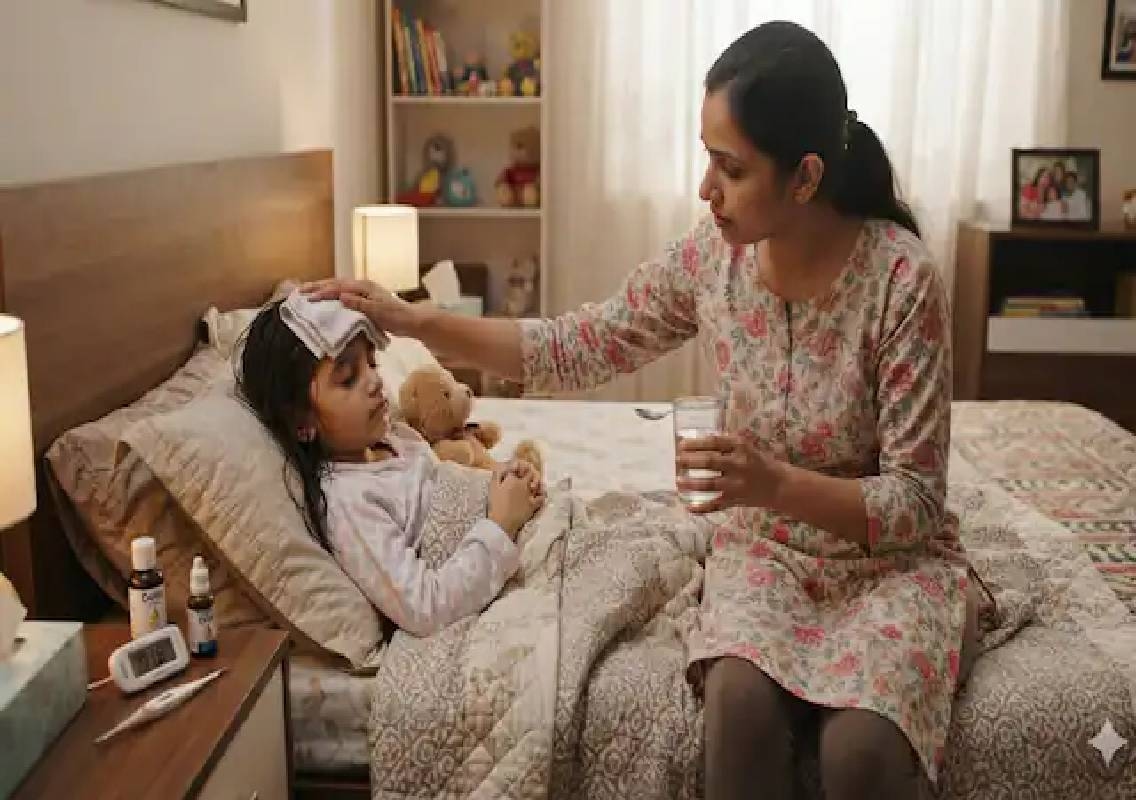
The rise has triggered concern among parents, particularly as several families report children developing high fever, severe body pain and extreme fatigue. Health authorities and hospitals in Delhi have stepped up preparedness, while doctors are urging parents not to ignore sudden or worsening flu-like symptoms.
Delhi records 1,449 H1N1 cases
According to the latest figures cited by NDTV, 1,449 H1N1 cases have been recorded in Delhi up to August 12, compared with 229 during the same period in 2025. The increase represents more than a six-fold rise in reported infections.
Delhi Health Minister Dr Pankaj Kumar Singh said hospitals were prepared to manage the increase. Dedicated influenza wards have been established at hospitals including Ram Manohar Lohia Hospital and Safdarjung Hospital, with arrangements for medicines, beds and ventilators.
The increase is being observed during the monsoon season, when respiratory infections can spread more easily in crowded environments.
Children among those increasingly affected
Doctors have reported a noticeable increase in H1N1 infections among children.
Dr Vandana Garg, Director of Internal Medicine at Max Super Speciality Hospital, Vaishali, told NDTV that one in three patients being sent for testing at her facility were testing positive for H1N1. She also noted a rise in cases among children.
Parents in Delhi have similarly reported clusters of illness among schoolchildren.
One mother said both her daughters had fallen ill and that around 15 to 16 positive cases had reportedly been identified among her daughter’s classmates. Another Delhi parent said both children in the family developed symptoms including high fever, extreme fatigue and body pain.
Such reports have heightened concerns among parents as children spend considerable time together at schools, tuition centres and other group settings.
What is H1N1?
H1N1 is a subtype of influenza A, a respiratory virus. Although it became widely known as “swine flu” during the 2009 pandemic, H1N1 now circulates as one of the seasonal influenza viruses.
The virus can spread through respiratory droplets released when an infected person coughs, sneezes or talks. Transmission can also occur when people touch contaminated surfaces and then touch their mouth, nose or eyes.
Most otherwise healthy people recover from influenza without serious complications, but the infection can become more severe in certain vulnerable groups.
H1N1 symptoms can appear suddenly
One feature that can distinguish influenza from an ordinary cold is the relatively sudden onset of symptoms.
Common symptoms include:
- High fever or chills
- Dry cough
- Sore throat
- Runny or blocked nose
- Body aches
- Headache
- Extreme fatigue
- Vomiting or diarrhoea in some patients
Unlike a common cold, which may develop gradually, H1N1 symptoms can appear abruptly and become intense within a few days of exposure. (NDTV)
Parents should pay particular attention when a child’s fever, cough or weakness is unusually severe or when symptoms worsen rather than improve.
Warning signs parents should not ignore
While many children recover with appropriate care, some cases can become serious.
Parents should seek urgent medical attention if a child develops:
- Difficulty breathing
- Bluish or grey lips, face or skin
- Severe dehydration
- Difficulty waking up
- Extreme irritability
- Symptoms that initially improve but return with a higher fever and worsening cough
These warning signs can indicate complications requiring prompt medical evaluation.
Parents should avoid relying solely on the severity of fever to judge whether a child needs medical attention. A child’s breathing, hydration, alertness and overall condition are also important.
Vaccination remains an important defence
Doctors have advised parents to consider annual influenza vaccination, which includes protection against H1N1, for eligible children.
Dr Garg stressed that preventing exposure and building immunity are important measures for reducing the risk of infection.
Children should receive vaccines according to the advice of their paediatrician and the applicable vaccination schedule. Parents with questions about whether their child should receive the seasonal flu vaccine should consult a qualified healthcare professional.
Handwashing can reduce transmission
Good hand hygiene remains one of the simplest ways to reduce the spread of respiratory infections.
Children should be encouraged to wash their hands regularly with soap and water, particularly:
- Before eating
- After using the toilet
- After returning home
- After coughing or sneezing
- After touching potentially contaminated surfaces
Dr Garg recommends washing hands with soap and water for at least 20 seconds.
If soap and water are unavailable, an appropriate alcohol-based hand sanitiser can be used.
Keep sick children away from school and crowds
Children who develop flu-like symptoms should avoid close contact with others until they recover and should follow medical advice regarding when it is safe to return to school.
Keeping a symptomatic child at home can help reduce transmission among classmates and other family members.
Parents should also avoid sending children to crowded activities when they are unwell, particularly if they have fever, persistent cough or significant fatigue.
Teach children cough etiquette
Children should be taught to cover their mouth and nose when coughing or sneezing.
Using a tissue or the inside of the elbow rather than the hands can reduce the likelihood of contaminating frequently touched surfaces.
Tissues should be discarded immediately, followed by handwashing.
These simple habits can help reduce the spread of influenza within homes, classrooms and other shared environments. (NDTV)
Clean commonly touched surfaces
Influenza viruses can also spread through contaminated surfaces.
Parents can regularly clean frequently touched objects and surfaces such as:
- Door handles
- Light switches
- Toys
- Tables
- Mobile phones
- Electronic devices
This is particularly useful in households where one family member has developed an influenza-like illness.
Hospitals step up preparedness
The rise in cases has prompted hospitals in the capital to strengthen their arrangements for influenza patients.
Dedicated wards have been established at Ram Manohar Lohia Hospital and Safdarjung Hospital. The Delhi government has said adequate arrangements have been made for medicines, beds and ventilators.
The preparedness comes as doctors continue to monitor the rise in cases and the potential for complications among vulnerable patients.
H1N1 is not just an ordinary cold
Doctors have cautioned against dismissing H1N1 as a routine seasonal illness.
While many people recover without major complications, influenza can be more dangerous for young children, older adults, pregnant women and people with certain underlying medical conditions.
Influenza can also aggravate existing conditions involving the lungs, heart and other organs. This makes early medical evaluation particularly important for high-risk patients.
Parents should avoid self-medication
Because H1N1 is caused by a virus, antibiotics do not treat the infection itself. Antibiotics are medicines used against bacterial infections and should only be taken when prescribed for an appropriate bacterial illness.
Parents should also avoid giving children prescription medicines without medical advice.
If a child develops sudden high fever, breathing difficulty, unusual drowsiness or other concerning symptoms, consulting a paediatrician or seeking emergency care is more appropriate than attempting to manage severe symptoms at home.
Delhi’s latest surge warrants caution
The jump from 229 cases last year to 1,449 this year represents a significant increase in reported H1N1 infections in Delhi. The growing number of cases among children adds another layer of concern for families and schools.
However, the rise in reported cases does not mean every child with fever or cough has H1N1. Several respiratory viruses can produce similar symptoms, making testing and medical assessment important when symptoms are significant or persistent.
Conclusion
Delhi has reported 1,449 H1N1 cases in 2026, more than six times the 229 cases recorded during the same period last year. Doctors are also seeing an increase in infections among children, while some parents have reported clusters of illness in schools and neighbourhoods.
Parents can reduce the risk of transmission by encouraging hand hygiene, cough etiquette and vaccination where appropriate, while keeping children with flu-like symptoms away from close contact with others.
Most importantly, children showing breathing difficulty, severe dehydration, unusual drowsiness, bluish skin or worsening symptoms after initial improvement should receive immediate medical attention.