







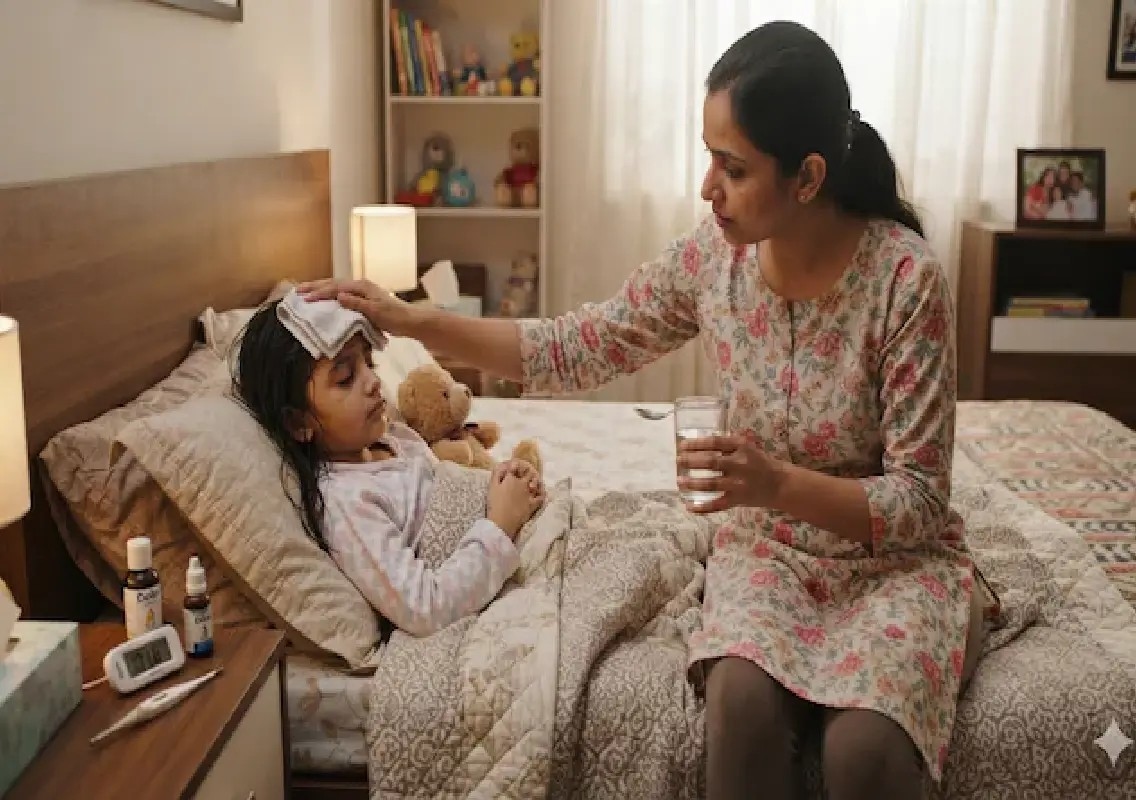


Delhi: Delhi is witnessing a sharp rise in H1N1 influenza cases, with 1,449 infections reported in the national capital so far this year, according to data from the National Centre for Disease Control (NCDC).
The figure represents a nearly six-fold increase compared with the 229 cases recorded during the corresponding period last year. The surge has also raised concerns over infections among children, with doctors and parents reporting an increase in flu-like illnesses.
Delhi Health Minister Dr Pankaj Kumar Singh confirmed the rise in cases and said dedicated wards have been established at hospitals, including Ram Manohar Lohia Hospital and Safdarjung Hospital, to manage the increasing number of patients.
Doctors report rise in positive tests
Dr Vandana Garg, Director of Internal Medicine at Max Super Speciality Hospital, Vaishali, Ghaziabad, said the increase in H1N1 infections was becoming increasingly visible in clinical settings.
According to Garg, one in every three patients being sent for testing is testing positive for H1N1.
She also highlighted the rise in infections among children, making it important for parents to remain alert to symptoms and seek medical advice when necessary.
The increase in cases has prompted greater attention to respiratory hygiene, vaccination and early identification of warning signs, particularly among children and other vulnerable groups.
Parents report infections among children
The rise in cases has also been reflected in reports from families across Delhi.
A video shared on Instagram by Navya Vachher, a mother and content creator, highlighted concerns over infections among children. She said both her daughters had fallen ill and that several positive cases had reportedly been identified among her daughter’s classmates.
She also spoke about difficulties in finding flu medicines locally and urged parents to get children tested if symptoms develop.
Another Delhi parent reported that both children in the family had developed symptoms such as high fever, severe fatigue and body pain.
The parent said several children in the neighbourhood and among her daughter’s classmates were unwell, with the younger child subsequently beginning to show symptoms as well.
Such reports have heightened concerns among families as children return to schools and interact closely with classmates and other children.
H1N1 symptoms can appear suddenly
H1N1 influenza can cause symptoms that may appear abruptly and can be more intense than those associated with an ordinary cold.
Common symptoms include:
- Fever or chills
- Cough
- Sore throat
- Runny or blocked nose
- Body aches
- Headache
- Fatigue
- Vomiting or diarrhoea in some cases
A sudden high fever accompanied by a dry cough and pronounced body aches can be among the common signs of influenza.
Symptoms may develop within one to four days after exposure to the virus, although the course and severity can vary between individuals.
Parents should pay particular attention when children develop high fever, breathing difficulties or unusual levels of tiredness.
Warning signs requiring urgent care
Most influenza infections can be managed with appropriate medical guidance, but certain symptoms require urgent medical attention.
Parents should seek immediate emergency care if a child develops difficulty breathing or shows bluish or grey discolouration of the lips, face or skin.
Other warning signs include difficulty waking up, severe dehydration and extreme irritability.
Medical attention is also important when flu-like symptoms initially improve but subsequently return with a worsening cough and higher fever.
These signs can indicate complications and should not be ignored.
Vaccination remains an important precaution
Dr Garg stressed the importance of vaccination, hand hygiene and reducing exposure to people with respiratory symptoms.
Annual influenza vaccination includes protection against H1N1 and is recommended for eligible children, particularly those aged over six months, based on medical advice and individual circumstances.
Vaccination can reduce the risk of influenza and help lower the likelihood of severe illness.
Parents should consult a healthcare professional regarding the appropriate influenza vaccination schedule for their children.
Hand hygiene can reduce transmission
Regular handwashing is another important preventive measure.
Children should be encouraged to wash their hands frequently with soap and water for at least 20 seconds, particularly before eating and after using the toilet.
Hand hygiene is especially important after children return home from school or other crowded environments.
When soap and water are not readily available, an appropriate alcohol-based hand sanitiser can be used.
Avoid close contact when symptoms appear
Children showing symptoms of respiratory illness should avoid close contact with others where possible.
Parents should consider keeping an unwell child at home rather than sending them to school or other group settings, particularly while they have fever or significant respiratory symptoms.
Avoiding close contact with people who are coughing or sneezing can also reduce the risk of exposure.
Children should additionally be taught proper cough and sneeze etiquette.
They should use a tissue or their inner elbow when coughing or sneezing instead of covering their mouth with their hands.
Keep commonly touched surfaces clean
Regular cleaning of frequently touched objects and surfaces can also help reduce the spread of respiratory infections.
At home, parents can regularly clean items such as toys, door handles, light switches and electronic devices that are frequently handled by children.
Schools and other institutions can similarly strengthen routine cleaning and encourage students to follow basic respiratory and hand hygiene practices.
Hospitals prepare for increased cases
The Delhi government’s decision to establish dedicated wards at hospitals such as Ram Manohar Lohia Hospital and Safdarjung Hospital is aimed at ensuring that healthcare facilities can manage the increase in H1N1 patients.
With 1,449 cases already reported this year compared with 229 during the corresponding period last year, the increase has drawn attention to the need for early diagnosis and appropriate medical care.
Doctors have particularly urged parents to watch for symptoms among children and seek professional advice when symptoms are severe, persistent or accompanied by warning signs.
The current rise also reinforces the importance of preventive measures such as vaccination, hand hygiene, respiratory etiquette and avoiding close contact when symptoms are present.
As Delhi continues to monitor the H1N1 surge, early recognition of symptoms and timely medical care remain important in reducing the risk of complications and further transmission.