









New Delhi: Reports of a gradual rise in Covid-19 cases in parts of India have once again sparked public concern, reviving memories of the devastating pandemic waves that overwhelmed the country’s healthcare system a few years ago. However, medical experts emphasise that the current situation is markedly different, with infections remaining largely localised and far less severe than during previous outbreaks.
Recent reports of Covid-19-related deaths in Andhra Pradesh and an increase in cases in a few cities have prompted health authorities to strengthen surveillance, testing and hospital preparedness. Doctors, however, say hospitals are not witnessing the surge in admissions, oxygen shortages or strain on healthcare infrastructure that characterised earlier waves.
Current situation differs from previous waves
According to health experts, the present rise in Covid-19 cases should not be compared with the nationwide outbreaks experienced during the pandemic.
They attribute the lower severity primarily to widespread immunity built through vaccination and previous Covid-19 infections, which has significantly reduced the risk of severe illness for most healthy individuals.
Covid-19 continues to circulate alongside other respiratory infections such as influenza and respiratory syncytial virus (RSV), but the disease is now considered manageable in the majority of cases.
Doctors stress that the focus should be on vigilance and responsible behaviour rather than panic.
Early testing and isolation remain important
Dr Amitabh Parti, Senior Director and Unit Head, Internal Medicine, Fortis Memorial Research Institute, Gurugram, advised people to seek testing if they develop symptoms suggestive of Covid-19.
According to him, anyone experiencing fever, sore throat, cough, body aches, fatigue, or loss of taste and smell should undergo testing and avoid close contact with others until the diagnosis is confirmed.
Patients who test positive should isolate at home, remain well-hydrated, consume nutritious food and closely monitor their symptoms.
He noted that most individuals recover within a few days with adequate rest and supportive care.
Warning signs that require immediate medical attention
While mild Covid-19 infections generally recover without complications, doctors advise seeking urgent medical care if serious symptoms develop.
These include:
- Difficulty in breathing
- Persistent high fever
- Chest pain
- Confusion
- Low oxygen levels
Experts say prompt medical intervention can prevent complications in vulnerable patients.
High-risk groups should remain cautious
Doctors have identified certain categories of people who remain at greater risk of developing severe Covid-19 illness.
These include:
- Older adults
- Pregnant women
- People with diabetes
- Individuals with heart disease
- Patients with chronic lung disease
- Those with kidney disease
- Cancer patients
- Individuals with weakened immune systems
Medical experts recommend that people in these groups consult a doctor promptly if Covid-19 symptoms appear instead of waiting for the illness to worsen.
Simple precautions still offer protection
Although Covid-19 restrictions have largely been lifted, doctors continue to recommend several preventive measures to reduce the risk of infection.
These include:
- Washing hands frequently with soap and water or using alcohol-based hand sanitiser.
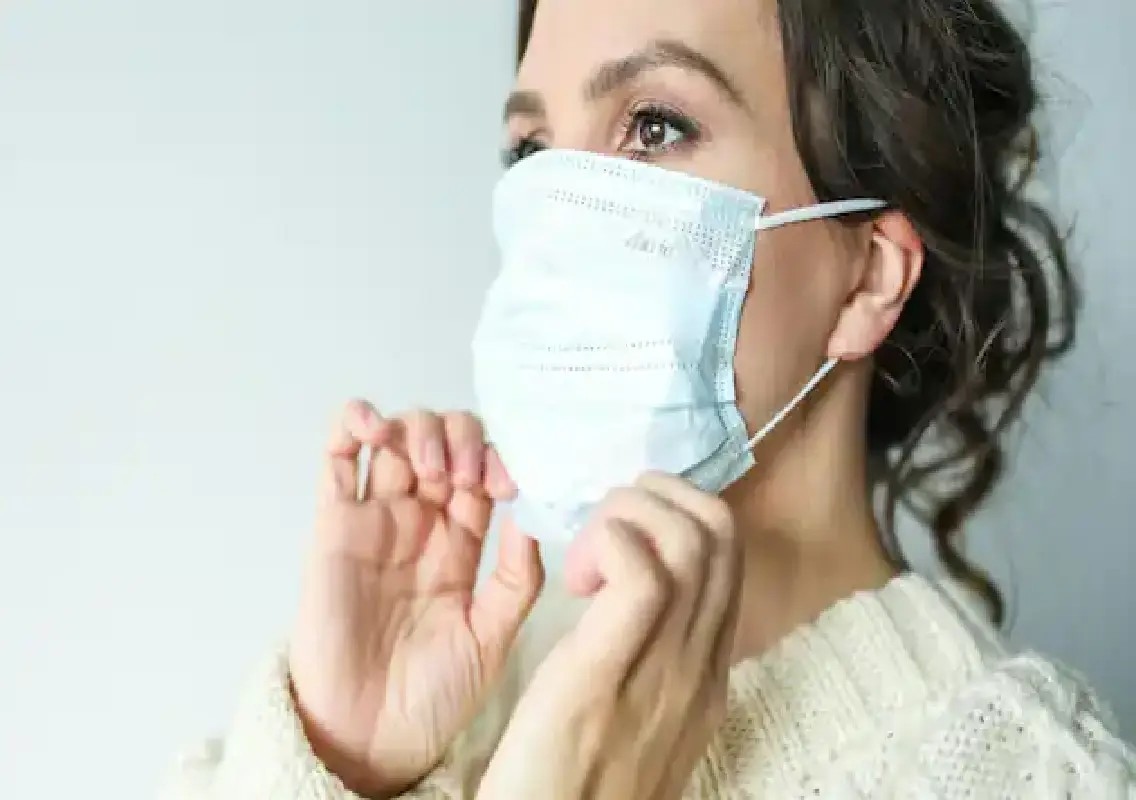
- Wearing a well-fitted mask in crowded indoor spaces and healthcare facilities, particularly for high-risk individuals.
- Ensuring good ventilation by keeping windows open wherever possible.
- Staying up to date with Covid-19 vaccinations and booster doses as recommended by health authorities.
Experts say these simple practices continue to offer effective protection against infection.
Travellers advised to remain vigilant
Doctors have also issued specific advice for people who travel frequently.
According to Dr Parti, individuals who develop flu-like symptoms after travelling should undergo an RT-PCR test to confirm whether they have Covid-19.
Current medical recommendations generally advise five to seven days of isolation, depending on the patient’s symptoms and overall clinical recovery.
Early diagnosis can help prevent further transmission, particularly within households and workplaces.
Experts advise against panic
Medical professionals caution against unnecessary anxiety or repeated testing in the absence of symptoms.
Instead, they recommend monitoring symptoms carefully and seeking timely medical consultation when needed.
For mild infections, home isolation, adequate hydration, nutritious meals and sufficient rest remain the cornerstone of treatment.
Experts emphasise that while Covid-19 is no longer the public health emergency it once was, the virus continues to circulate. Responsible behaviour, early testing, timely medical care and adherence to isolation guidelines remain the most effective ways to reduce transmission and protect vulnerable individuals.