







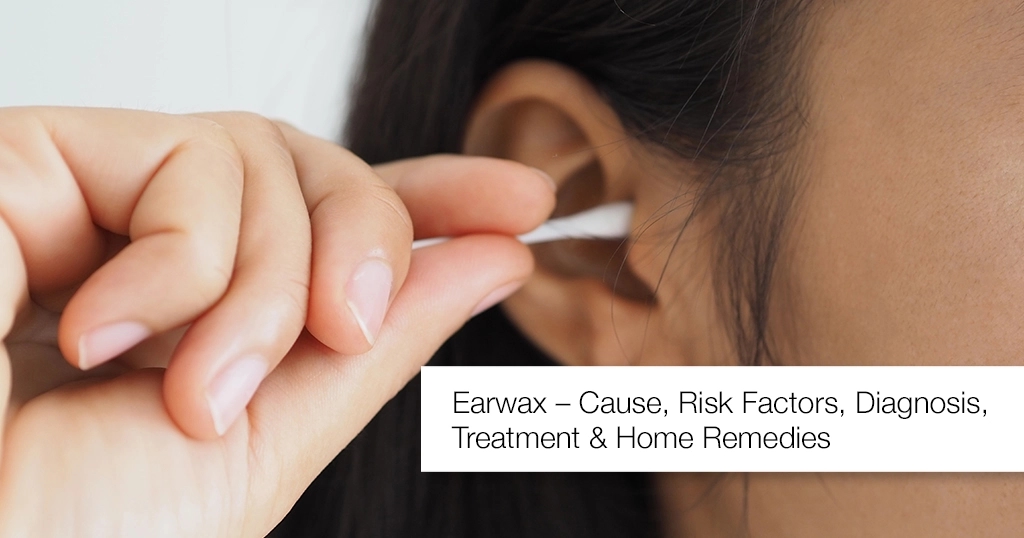


Earwax, often overlooked and unappealing, is catching the eye of scientists. It’s not just a sticky, orange substance; it may hold valuable clues about serious health conditions such as cancer, heart disease, and diabetes. Formed from secretions of ear canal glands, earwax, or cerumen, contains a mix of body debris, skin cells, and oils.
Surprisingly, earwax reveals much about one’s health. For example, people of European or African descent typically have wet, yellowish earwax, while East Asians tend to have dry, grayish wax. These differences are linked to the ABCC11 gene, which also influences body odor.
Beyond genetics, earwax could also be a key to detecting diseases. Studies suggest a link between earwax type and breast cancer risk. Other conditions, like maple syrup urine disease, can also be diagnosed through earwax, which carries unique chemical markers. In some cases, even Covid-19 can be detected.
Researchers have found that earwax can reveal changes in metabolism, offering early signs of diseases like cancer, Parkinson’s, and Alzheimer’s. One study identified 27 compounds in earwax, creating a diagnostic “fingerprint” for certain cancers. Efforts are underway to refine this into a tool that could diagnose multiple diseases with just a small sample.
As science advances, earwax may soon be a routine part of diagnostic testing, much like blood or urine, providing a simple way to track various health conditions.
- Early morning blaze reduces Cochin Bakery to ashes in Pandeshwar
- Reckless driving near Perabe: Cases filed against three car drivers in Kadaba
#healthinnovation #earwaxdiagnosis #medicalbreakthrough #biomarkers