









Hair fall is often addressed with oils, serums and supplements, but nutritionist Lovneet Batra has highlighted four nutritional deficiencies that may contribute to excessive hair shedding.
In a recent Instagram post, Batra said persistent hair fall can sometimes indicate that the body is not receiving enough of certain nutrients required for healthy hair growth. She identified low ferritin, inadequate protein, zinc deficiency and copper deficiency among the nutritional factors that may affect hair health.
However, hair fall can have several causes, including genetics, hormonal changes, stress, illness, certain medicines and scalp conditions. Nutritional deficiencies are only one possible contributor, and supplements should ideally be taken after identifying a confirmed deficiency.
Low ferritin and iron stores
The first nutritional factor highlighted by Batra is low ferritin.
Ferritin is a protein that stores iron in the body, and ferritin levels are commonly used as an indicator of the body’s iron stores. When iron levels are inadequate, the body may prioritise essential functions over processes such as hair growth.
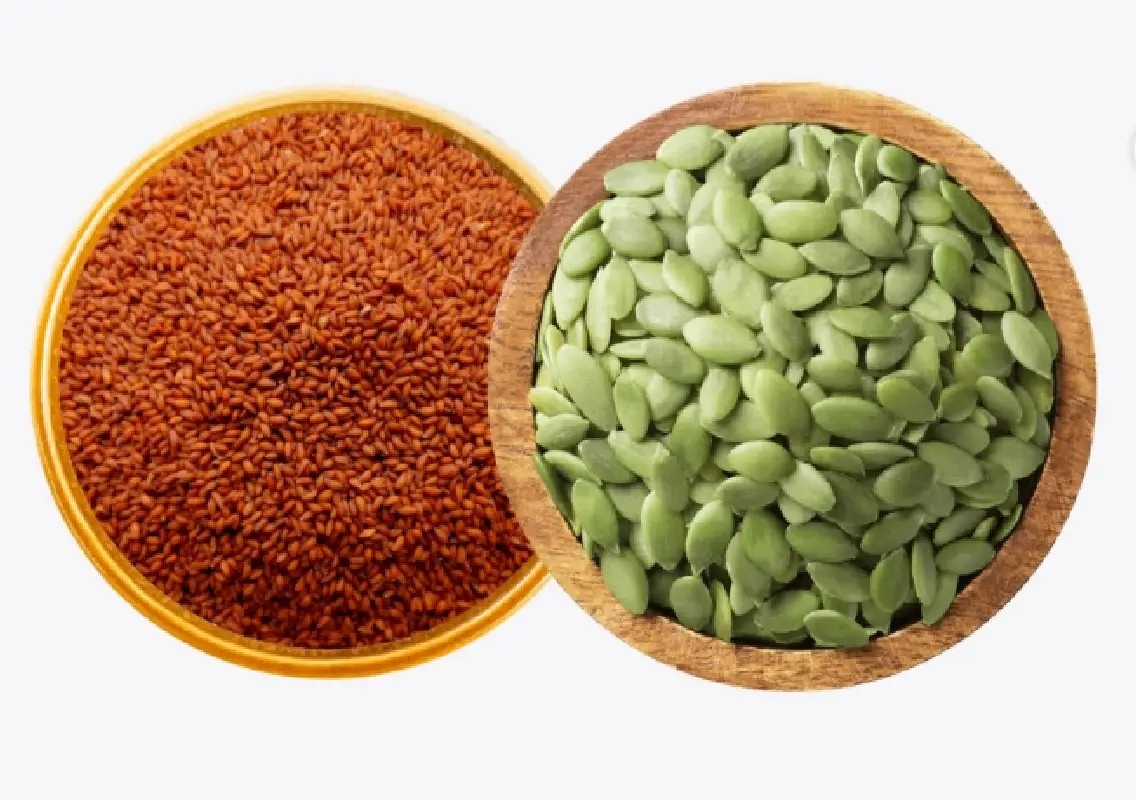
Batra suggests including foods such as halim seeds, amaranth leaves, bajra and sesame seeds as dietary sources of iron.
Iron is required for several important functions in the body, including the production of haemoglobin, which carries oxygen through the bloodstream. Adequate iron status is therefore important for overall health as well as normal tissue function.
People experiencing persistent hair shedding should not automatically assume that low iron is the cause. A healthcare professional can assess symptoms and, where appropriate, recommend blood tests to determine whether iron deficiency or another condition is involved.
Inadequate protein intake
The second factor on Batra’s list is insufficient protein.
Hair is largely composed of keratin, a structural protein. Adequate dietary protein provides amino acids that the body needs to produce proteins and maintain tissues.
A diet that consistently provides too little protein may therefore affect normal hair growth, particularly when combined with other nutritional deficiencies.
Batra recommends foods including Greek yoghurt, paneer, green gram and eggs as protein-rich choices.
Protein requirements vary from person to person depending on factors such as age, body size, physical activity and overall health. Rather than relying on a single food, a balanced diet containing adequate protein from a variety of sources can help support nutritional needs.
Zinc deficiency
Zinc is another nutrient Batra identifies as important for maintaining healthy hair.
The mineral plays a role in numerous biological processes, including cell division and tissue growth. Since hair follicles are sites of active cell growth, adequate zinc is required for normal functioning.
Batra recommends pumpkin seeds, watermelon seeds, Bengal gram and cashew nuts as dietary sources of zinc.
However, more zinc is not necessarily better. Excessive zinc supplementation can interfere with the absorption of other minerals and may itself cause health problems.
For this reason, people should avoid taking high-dose zinc supplements solely because they are experiencing hair loss unless a healthcare professional has identified a need.
Copper and hair structure
Copper is the fourth nutrient highlighted by Batra.
Copper is involved in several biological processes and contributes to the normal formation of connective tissues. It is also involved in melanin production, which gives hair its colour.
Batra recommends black sesame seeds, poppy seeds, almonds and rajma as sources of copper.
A varied diet generally provides copper in adequate amounts for most people. Copper deficiency is relatively uncommon, but certain dietary patterns or medical conditions can increase the risk.
As with other nutrients, supplementation should be considered carefully because excessive copper intake can also be harmful.
Vitamin C can support iron absorption
Batra also recommends adding fresh lemon juice to meals as a way of supporting iron absorption.
Vitamin C can improve the absorption of non-haem iron, the form of iron found primarily in plant foods. Pairing iron-rich plant foods with sources of vitamin C can therefore be a useful dietary strategy.
For example, lemon juice can be added to meals containing pulses, leafy vegetables or other plant-based sources of iron.
The overall quality of the diet remains more important than relying on one food combination.
Hair fall has many possible causes
Although nutritional deficiencies can contribute to hair shedding, persistent hair loss should not automatically be attributed to diet.
Hair loss can occur because of hereditary pattern hair loss, hormonal changes, thyroid disorders, severe stress, illness, rapid weight loss, certain medications and scalp conditions. Temporary increased shedding can also occur after significant physical or emotional stress.
Restrictive diets may increase the risk of inadequate intake of protein, iron, zinc and other nutrients. Maintaining a balanced diet is therefore an important part of supporting normal hair growth.
At the same time, taking multiple supplements without knowing whether a deficiency exists may not solve the underlying problem.
A balanced diet is the foundation
Foods such as pulses, dairy products, eggs, nuts, seeds, whole grains and green leafy vegetables can provide several nutrients needed for overall health.
Including a variety of protein sources and vegetables, along with iron- and zinc-containing foods, can help reduce the likelihood of dietary deficiencies.
For people experiencing continuous or sudden hair shedding, identifying the cause is more useful than simply adding another hair product to the routine. A doctor or dermatologist can evaluate the pattern of hair loss and determine whether investigations for nutritional or hormonal problems are appropriate.
Nutritional deficiencies can sometimes be corrected through dietary changes or medically supervised supplementation. Addressing the underlying cause, rather than relying only on topical products, is key to managing persistent hair fall.