







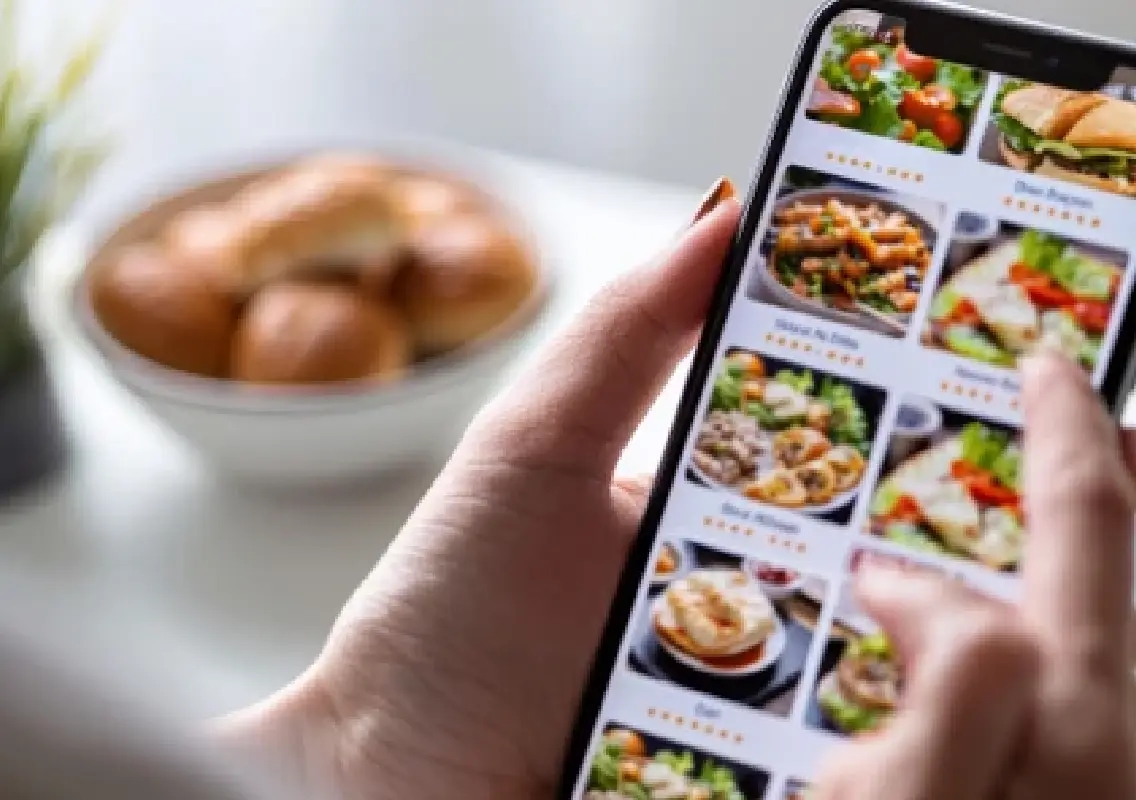


The growing reliance on food delivery platforms like Swiggy and Zomato is raising concerns among health experts, with nutritionists warning of long-term risks linked to frequent ordering habits.
Mumbai-based nutritionist Sanya Wadhera has highlighted how easy access to online food is reshaping eating patterns, especially among working professionals.
Rising calorie intake and poor nutrition
According to Wadhera, a single online meal can contain 600–800 calories, largely from refined carbohydrates, excess oil, and high sodium levels. Ordering even twice a day can push daily calorie intake beyond healthy limits before dinner.
Restaurant-prepared dishes often contain significantly more oil compared to home-cooked meals. For instance, popular dishes like butter chicken may carry multiple times the fat content of homemade versions.
Hidden dangers of sodium and portion sizes
Experts warn that high sodium levels in foods such as biryani can quietly increase blood pressure, particularly in younger individuals. The effects often remain unnoticed until more serious health issues arise.
Additionally, pricing strategies—such as low-cost “family meals”—encourage larger portions, leading to overeating while giving a false sense of value.
Late-night cravings and app psychology
Push notifications and targeted promotions, especially during late hours, play a key role in influencing food choices. Experts say these alerts often arrive when self-control is lowest, making unhealthy eating more likely.
Late-night ordering, now common, further contributes to poor digestion and disrupted sleep cycles.
Misleading ‘healthy’ options
Even items marketed as healthy may not always be nutritious. Salads can include high-sugar dressings, while so-called protein bowls may lack adequate protein content.
Nutritionists stress the importance of reading ingredients carefully rather than relying on labels alone.
Call for mindful eating
Experts recommend limiting frequent orders, opting for home-cooked meals, and making informed choices when using delivery apps. While convenience is undeniable, maintaining balance is essential to avoid long-term health consequences.