







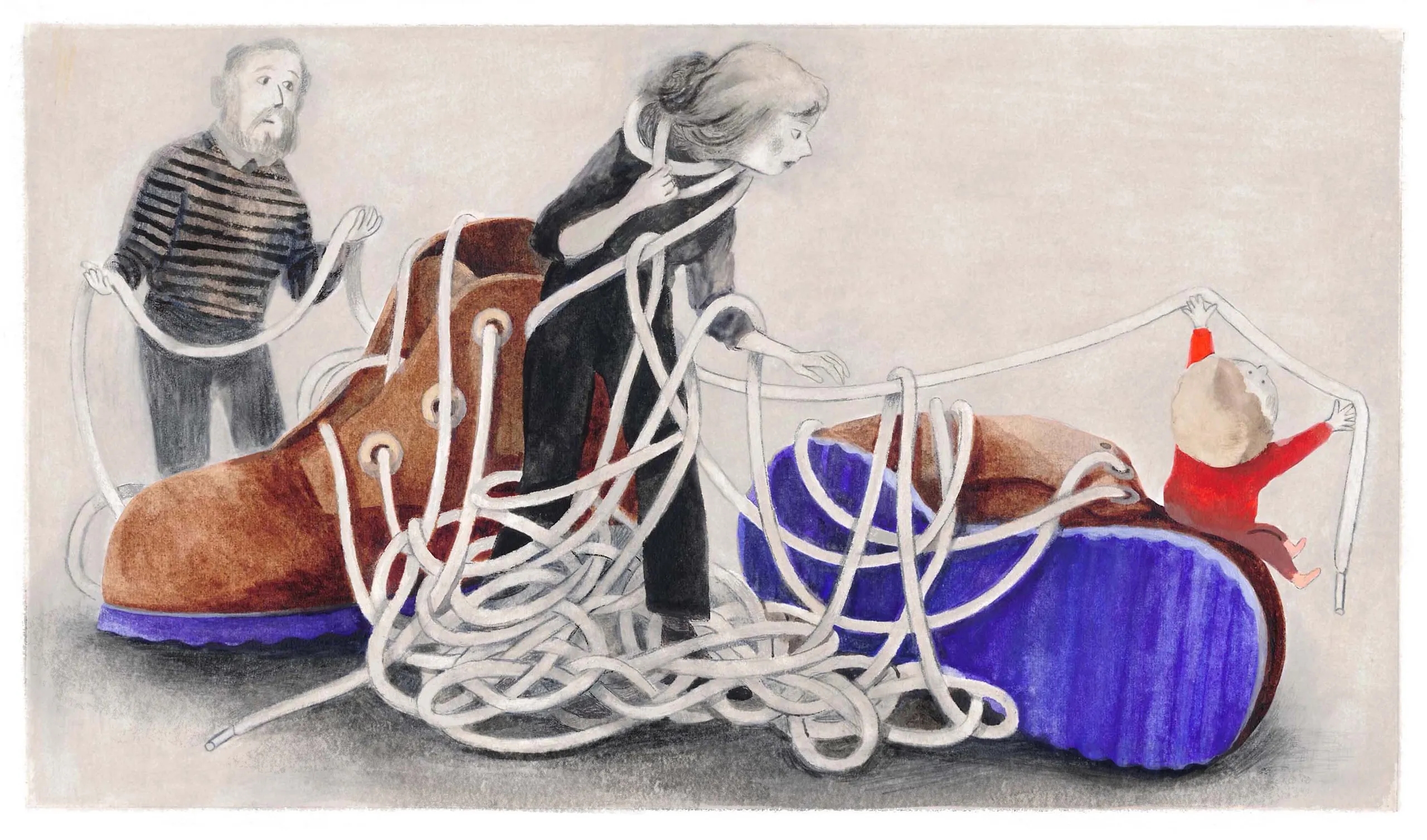


As more parents turn to gentle parenting in an effort to raise emotionally secure children, experts are cautioning against a growing but often unnoticed problem — confusing gentle parenting with permissive parenting.
A child therapist, Jaclyn, recently shared her personal journey, explaining how her well-intentioned approach gradually slipped into permissiveness, with unintended consequences for her children.
When ‘gentle’ becomes permissive
Jaclyn said she believed she was practising gentle parenting for years. “I validated every emotion, processed feelings extensively, explained every boundary, compromised on things and avoided harsh punishments,” she shared. At the time, she felt she was doing everything right.
However, as her children grew older, she began to see worrying patterns. One child became anxious, indecisive and emotionally dysregulated, while the other became overly compliant, suppressing emotions and withdrawing socially. “I thought it was just ‘being a teenager’. It wasn’t,” she said.
The realisation, she explained, was painful. “I cried a lot. I had tried so hard to do things differently from how I was raised.”
High warmth, low structure
Reflecting on her parenting style, Jaclyn concluded that she had unknowingly crossed from gentle into permissive parenting. “Validating for 20 minutes became over-processing. Explaining too many boundaries made everything negotiable. Compromising too much meant there were no real limits,” she said.
This combination of high emotional warmth with little structure, she noted, can result in children who are anxious, entitled or overly people-pleasing — outcomes many parents are trying to avoid.
Why authoritative parenting works better
Jaclyn said her perspective changed when she shifted to authoritative parenting — a style backed by research that balances warmth with structure. This approach emphasises empathy and connection while also maintaining clear boundaries, consistent limits and natural consequences.
“The change wasn’t overnight, but it was quicker than I expected,” she said. She observed reduced anxiety in decision-making, greater confidence, fewer emotional outbursts and less negotiation over boundaries.
A message for parents
Experts say this distinction is crucial, especially for urban families navigating modern parenting pressures. Gentle parenting, when misunderstood, can unintentionally remove the predictability and safety children need.
Jaclyn stressed that parents should not feel guilty for making such mistakes. “Parenting is hard,” she said, adding that awareness and course correction are far more important than perfection.
Her experience serves as a reminder that children thrive not just on empathy, but also on structure — and that the most effective parenting often lies in balancing both