







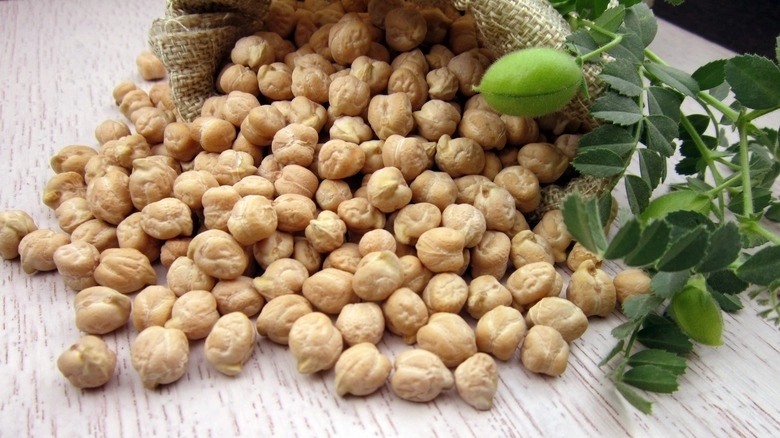


A research team led by Dr. Björn Krenz, an expert in plant viruses from the Leibniz Institute DSMZ in Braunschweig, Germany, has made a groundbreaking discovery about chickpeas grown in Germany. Their study, published in the Journal of Plant Diseases and Protection, reveals that these legumes are infected with several plant viruses for the first time.
The team, which included specialists from the Julius Kühn Institute and the Leibniz Center for Agricultural Landscape Research, spent two years studying chickpea fields in Saxony-Anhalt and Brandenburg. Their work uncovered the presence of Pea necrotic yellow dwarf virus (PNYDV) in chickpeas—an infection already known to damage other legumes like peas. Infected plants showed yellowing leaves and stunted growth. Particularly concerning was the discovery of plants infected by multiple viruses simultaneously.
Dr. Krenz emphasized that this virus pressure, especially near pea fields, poses a significant challenge to chickpea cultivation in Germany. To tackle this, future research will aim at developing resistant chickpea varieties and exploring integrated protection methods. One strategy includes breeding virus-resistant varieties and using natural predators of virus-carrying insects.
This research highlights the need for collaboration between research institutes, farmers, and policymakers to ensure the sustainable production of chickpeas in the future. Early virus screenings and resilient crop selection will be key in preventing large-scale crop failures.
Dahi puri disaster in Bengaluru leaves North Indians ‘offended’
World Elephant Day Celebrated with Enthusiasm at Bannerghatta Biological Park
#ChickpeaVirusThreat #AgriculturalInnovation #CropResilience #SustainableFarming