







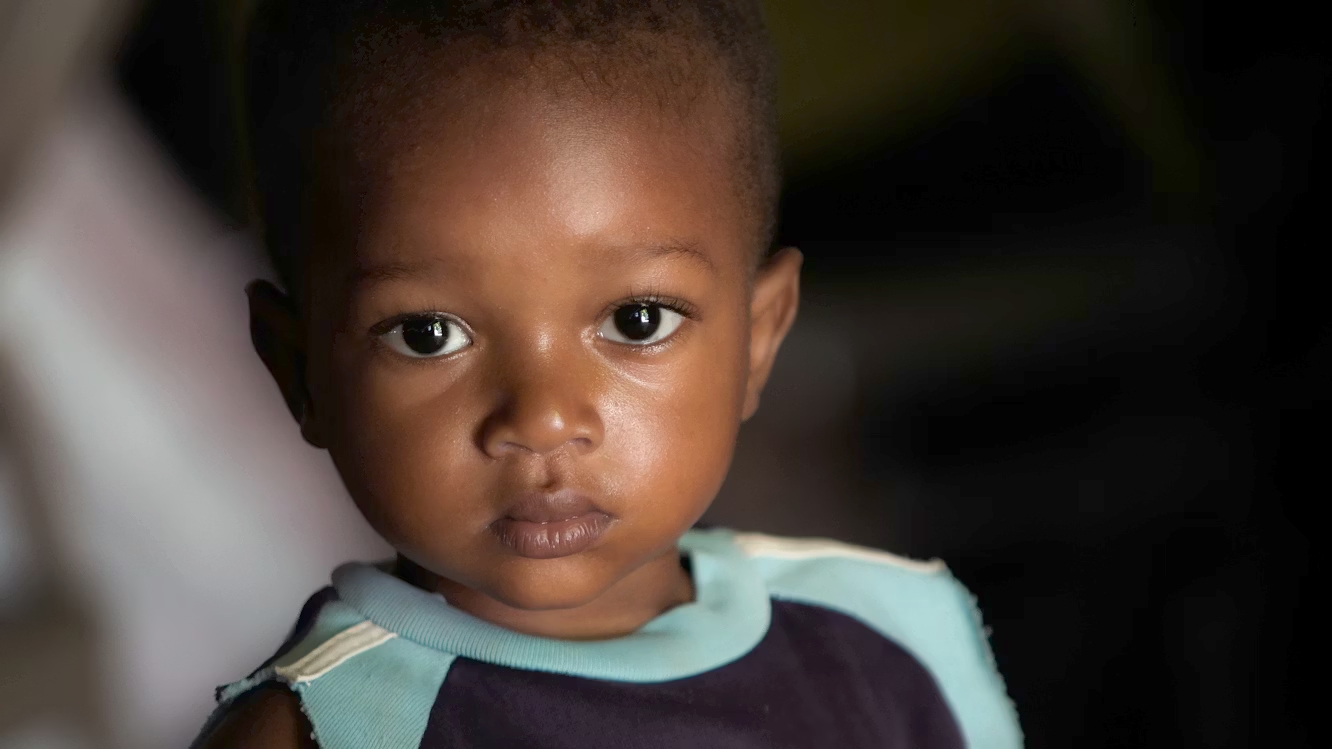


A stark new warning from the Gates Foundation says the number of children dying before the age of five is set to rise in 2025 — the first increase this century — as major cuts by high-income countries slash global health funding and threaten decades of progress.
According to the Foundation’s latest Goalkeepers Report, child mortality is projected to hit 4.8 million deaths in 2025, about 200,000 more than the previous year. This reverses a trend of continuous decline since 2000.
‘100% avoidable’, says Gates Foundation
Mark Suzman, CEO of the Gates Foundation, called the rise “entirely preventable”, urging governments and donors to urgently reinvest in primary healthcare and routine immunisation, which remain the most cost-effective tools to save lives.
The report highlights that global health aid dropped by 26.9% compared with last year, driven largely by cuts from countries including the US, UK, France and Germany.
US cuts have the biggest impact
At least 24 high-income nations reduced overseas health assistance in 2025. The report notes that the United States — historically the world’s largest global health donor — has made steep reductions under the Trump administration, with funding freezes affecting programmes in low- and middle-income countries.
These nations are already struggling with fragile health systems, rising debt, and persistent killers such as diarrhoeal diseases, malaria, pneumonia and neonatal infections.
If global health funding continues to fall by 20%, projections indicate 12 million additional child deaths by 2045. With 30% cuts, the figure could climb to 16 million.
Vaccinations still the strongest defence
Calling immunisation the “best buy” in public health, the report notes that every dollar spent on vaccines yields $54 in long-term economic and social benefits.
Paediatric expert Dr Naveen Thacker said vaccines not only save lives but also prevent outbreaks that drain hospital resources, disrupt schooling, and deepen poverty. Affordability, he added, is crucial to protecting the most vulnerable children.
New technologies offer hope:
- Lenacapavir, a long-acting HIV prevention injection, could be made cheaper and require only annual dosing.
- New RSV interventions may sharply reduce pneumonia deaths.
- A new generation of malaria vaccines could shift the global battle against the disease.
Threat to Gavi and the Global Fund
Despite Gavi helping avert over 20 million deaths since 2000, the US halted its contributions this year. France, Norway and the UK also reduced funding. Analysts warn that the knock-on effects could cripple global vaccination efforts.
While the Trump administration contributed significantly to the Global Fund for AIDS, TB and malaria, several major donors — including Japan and the European Commission — have not yet made new pledges, risking an overall shortfall.
‘A turning point for global health’
Bill Gates said the world stands at a critical juncture: either invest now to save millions of children or allow preventable diseases to regain deadly ground.
“We could be the generation with the most advanced science in history — but unable to fund it to save lives,” he wrote, reiterating his commitment to donate nearly all his wealth in the coming decades.