


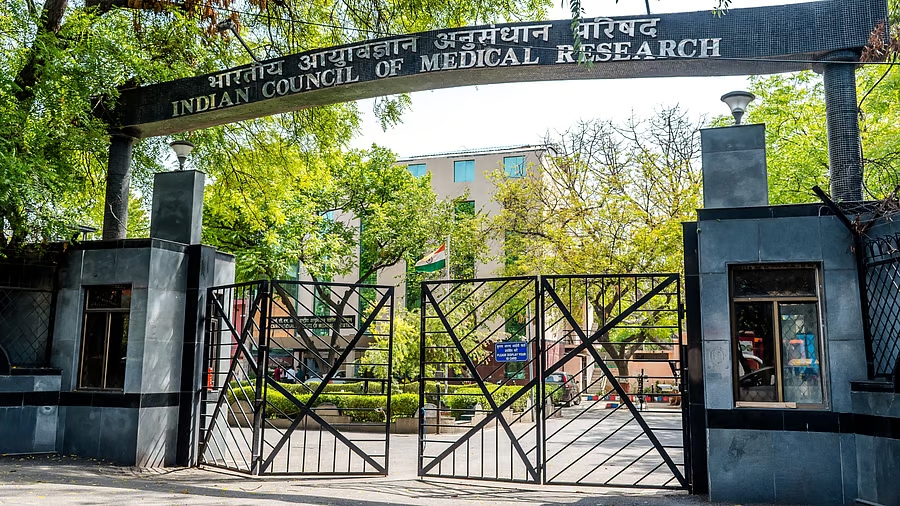


Keylong: The Indian Council of Medical Research (ICMR) is establishing a Centre for High Altitude Medicine and Public Health Research (CHAMP) in Keylong, in Himachal Pradesh’s Lahaul and Spiti district, to strengthen research into health challenges affecting people living and working in high-altitude and climate-sensitive regions.
The foundation stone of the centre is scheduled to be laid on October 12 by Union Health and Family Welfare Minister Jagat Prakash Nadda. The proposed facility aims to generate scientific evidence, encourage innovation and develop healthcare solutions suited to the difficult geographical and climatic conditions of the Himalayan region.
High-altitude areas face distinctive public health challenges because of extreme weather, difficult terrain, geographical isolation and changing environmental conditions. These factors can influence disease patterns, access to medical facilities, occupational health and emergency response.
Through CHAMP, ICMR aims to strengthen multidisciplinary research and build capacity to address these challenges. The centre is also expected to contribute to wider national priorities, including tribal health, disaster preparedness, digital healthcare and the development of climate-resilient health systems.
Why the Himalayan region needs specialised health research
The Himalayan ecosystem presents health challenges that differ from those encountered in many low-altitude regions. High altitude, cold temperatures, limited connectivity and changing weather conditions can affect both the health of residents and the delivery of medical services.
People living in mountain communities may have to travel long distances to access specialised healthcare. Difficult terrain and extreme weather can also delay emergency medical assistance, making timely diagnosis, treatment and transportation more challenging.
Climate variability adds another layer of complexity. Changes in environmental conditions can influence disease transmission, exposure to occupational hazards and the availability of essential services.
These factors make region-specific research important for understanding local health needs and developing practical interventions.
CHAMP is intended to support research that reflects the circumstances of people living in and travelling through high-altitude environments. By studying health outcomes alongside environmental and climatic conditions, the centre could help generate evidence to guide public health planning and improve healthcare delivery.
CHAMP to focus on multiple areas of medicine
The centre’s proposed research programme will cover a broad range of medical and public health disciplines.
High-altitude physiology and acclimatisation will be among its key areas of focus. Research in these fields can help improve understanding of how the human body responds to reduced oxygen availability and other environmental stresses associated with high elevations.
Mountain medicine will also form part of the centre’s research mandate, alongside studies of climate-sensitive and emerging diseases.
Other proposed areas include:
- Infectious diseases and non-communicable diseases.
- Maternal and child health.
- Nutrition and mental health.
- Environmental and occupational health.
- Disaster medicine and emergency response.
- High-altitude physiology and acclimatisation.
The multidisciplinary approach is intended to address health challenges from several perspectives rather than treating them as isolated medical problems.
For example, research into occupational health could help improve understanding of risks faced by people working in demanding mountain environments. Studies of maternal and child health could examine the challenges of accessing appropriate care in remote settlements.
Similarly, research into infectious diseases and climate-sensitive health conditions could help inform surveillance and prevention strategies suited to the region.
Digital health and telemedicine among proposed priorities
Improving access to healthcare in remote areas is another important objective of CHAMP.
The centre will explore the integration of digital health platforms, telemedicine, drone-enabled healthcare logistics and real-time public health surveillance.
Telemedicine can help connect patients in remote communities with medical professionals who may not be physically available in their immediate area. Depending on connectivity, clinical requirements and local infrastructure, digital consultations could reduce the need for some patients to travel long distances for initial medical advice or follow-up care.
Drone-enabled healthcare logistics could also be explored for transporting essential medical supplies to difficult-to-reach locations. Such systems may be particularly relevant when road access is disrupted by severe weather or challenging terrain.
Real-time public health surveillance could support the collection and analysis of information on emerging health concerns. Better surveillance may help authorities identify changing disease patterns and respond more quickly to potential outbreaks or other public health threats.
However, the effectiveness of these technologies will depend on factors such as connectivity, operational reliability, local healthcare capacity and the suitability of each intervention for the communities being served.
The proposed research will provide an opportunity to examine how such tools can be adapted to the needs of high-altitude regions.
Longitudinal studies to examine climate and health
CHAMP’s location in Keylong is expected to facilitate longitudinal studies and investigations into the relationship between environmental conditions, climate variability and health outcomes.
Longitudinal research involves observing individuals, populations or health indicators over an extended period. This can help researchers identify changes over time and examine associations between environmental exposure and health outcomes.
In a high-altitude setting, such studies could contribute to a better understanding of how seasonal conditions, changing weather patterns and other environmental factors affect health.
The findings may also help researchers identify population groups that face particular risks and examine how healthcare needs change under different conditions.
Such evidence could inform public health planning, disease surveillance and the design of interventions for mountain communities.
The centre’s emphasis on climate-sensitive health research is particularly relevant as governments and healthcare institutions seek to strengthen preparedness for environmental changes and extreme weather events.
Supporting tribal health and disaster preparedness
The proposed centre is also expected to contribute to national priorities involving tribal health and disaster preparedness.
Remote and tribal communities can face specific barriers to accessing healthcare, including long travel distances, limited transport options and shortages of specialised services. Research focused on these settings can help identify gaps in service delivery and assess interventions suited to local conditions.
Disaster medicine will be another area of focus. Mountain regions can face emergencies in which terrain, weather and connectivity complicate rescue operations and the delivery of medical assistance.
Research into emergency response systems, medical logistics and healthcare preparedness could help improve planning for such situations.
By bringing these subjects together, CHAMP is intended to support the development of healthcare approaches that account for both the medical needs of populations and the practical difficulties of serving remote areas.
The centre’s work could also provide evidence relevant to other geographically isolated regions that face similar challenges in accessing timely healthcare.
Strengthening India’s contribution to high-altitude medicine
The establishment of CHAMP represents an effort to expand India’s research capacity in high-altitude medicine and public health.
Its proposed work spans basic physiological research, disease studies, environmental health, clinical and public health concerns, and the application of digital technologies.
This combination could help connect scientific findings with practical healthcare requirements in the Himalayan region.
The centre is also expected to strengthen capacity building, enabling researchers and health professionals to develop expertise in high-altitude and climate-sensitive health issues.
Research generated through the facility may contribute to broader discussions on climate resilience, emergency preparedness and healthcare access in challenging environments. Its relevance will depend on the quality of the research, the development of effective partnerships and the translation of findings into practical interventions.
A research hub for challenging environments
The foundation stone ceremony planned for October 12 marks the proposed establishment of a specialised research facility in Keylong.
Through CHAMP, ICMR aims to build a stronger evidence base for understanding the health effects of high altitude, extreme climatic conditions and environmental change. Its proposed research programme covers a wide range of areas, from acclimatisation and infectious diseases to maternal health, mental health and disaster medicine.
The planned exploration of telemedicine, digital health systems, drone-enabled logistics and public health surveillance could also help researchers examine new ways to reach populations in remote locations.
The centre is expected to support India’s wider priorities in public health, tribal healthcare and climate resilience while contributing to international research in high-altitude medicine.
As the project develops, its impact will depend on the research it undertakes and how effectively its findings are translated into improved healthcare services for people living and working in the Himalayan region.