









Quick Summary
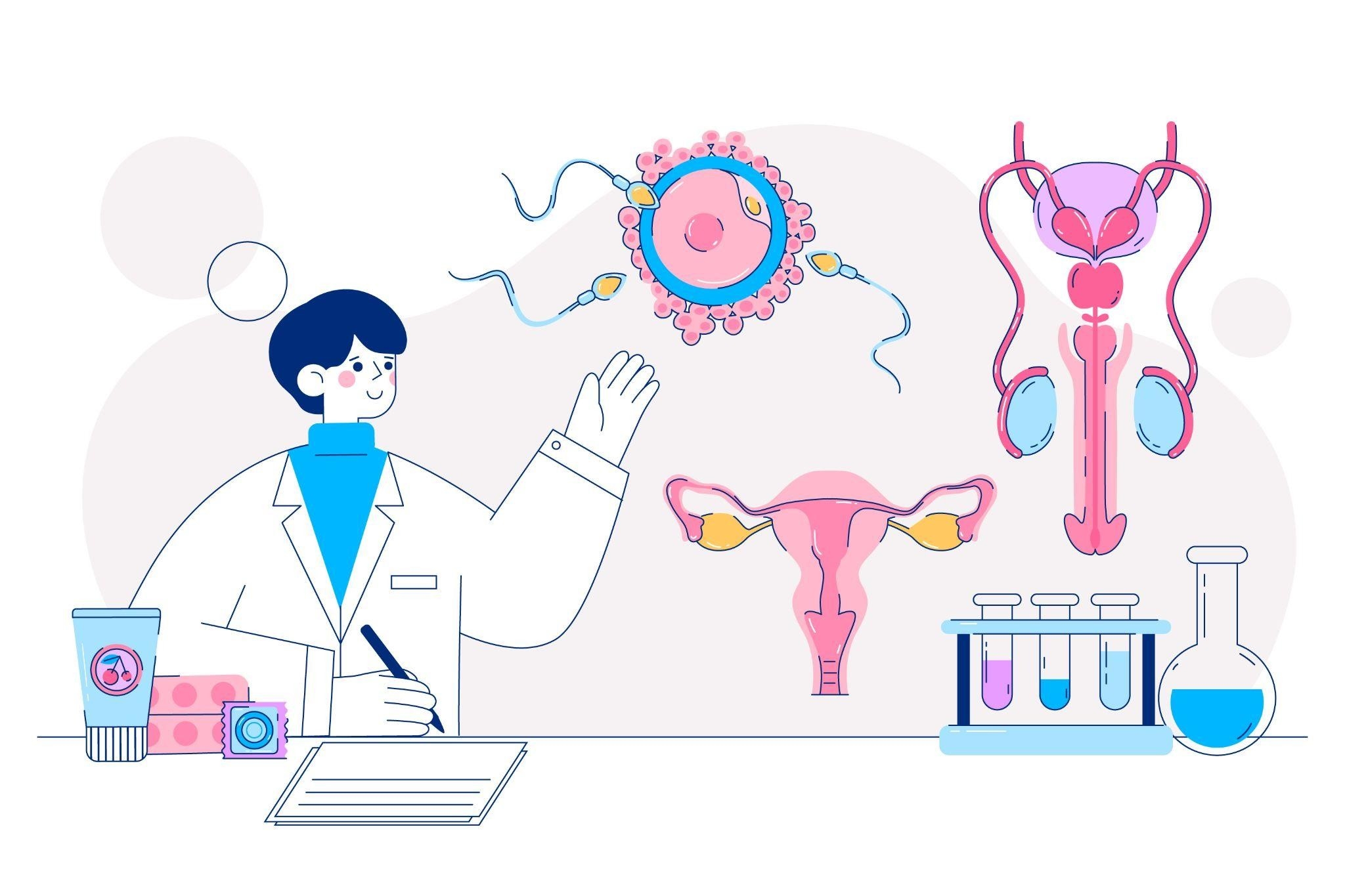
- ICSI is a fertility procedure where a single sperm is injected directly into an egg to help fertilisation happen.
- It’s often recommended when male infertility factors are involved or when previous IVF cycles had fertilisation problems.
- The process looks a lot like IVF, with one key difference at the fertilisation stage.
- Knowing what’s coming can take some of the fear out of it.
- Emotional support isn’t secondary to medical care during this. It’s just as important.
Starting fertility treatment is a lot. You might feel genuinely hopeful one day and completely overwhelmed the next, sometimes within the same appointment. If you’ve already got browser tabs open, a notes app full of medical terms, and more questions than you know what to do with, that’s not unusual. That’s just what this process feels like for most people.
ICSI is one of those terms that gets thrown around and sounds intimidating before anyone explains it. Once it’s broken down, it actually makes a lot of sense. This guide is here to do that.
Regular IVF works differently. With standard IVF, eggs and sperm are placed near each other, and fertilisation happens on its own in the lab environment. ICSI skips that step and does the job directly, which matters when sperm can’t do it without help.
Doctors usually suggest ICSI fertility treatment when there’s
- A low sperm count
- Poor sperm movement
- Past cycles where fertilisation didn’t happen
- Unexplained infertility in some cases
Every situation is different, though. Treatment recommendations are always based on what’s actually going on medically for that specific person.
A lot of people describe this phase as logistically exhausting, fitting clinic appointments into an already full life, managing medication schedules, and still trying to function normally at work and home.
With IVF, the egg and sperm are placed together, and fertilisation is left to happen naturally in the lab. Here, it’s different. An embryologist selects a single sperm and places it directly into a mature egg. One by one. This step is often suggested when fertilisation may not happen easily on its own.
Step 4: Embryo Development
After that, the waiting starts again. Fertility treatment has quite a bit of waiting, and many couples say they didn’t expect that part.
The embryos stay in the lab for a few days while the team keeps checking how they’re growing and progressing. Updates usually come in stages, which can make those days feel strangely slow while normal life is still moving around you with work, family plans, and everyday routines.
Honestly, for many people, the emotional weight of fertility treatment lives in these quieter moments more than anywhere else.
When sperm quality or count is the issue
ICSI fertility treatment is most commonly used when there’s a sperm-related factor making fertilisation difficult. Low count, poor movement, or abnormal shape; these things can make standard IVF less likely to work. Injecting directly takes the obstacle out of the equation.
That said, no fertility treatment guarantees a specific outcome. Worth being honest about that upfront rather than finding out mid-process.
Common Questions People Actually Have
Is it going to hurt?
Experiences vary. The medications can cause bloating and fatigue, and some people feel more uncomfortable than others. The procedures themselves are done with sedation or medical support, so pain during the actual steps is generally managed well.
A lot of people quietly carry stress, grief, guilt, or just plain exhaustion during ICSI fertility treatment and don’t always say so out loud. Couples often process it differently, too. One person researches everything obsessively. The other does not need to think about it as much. Neither is wrong. But if you’re not talking about it, that gap can grow fast.
Some things that actually help:
- Talk to your partner, even when it’s uncomfortable
- Write questions down before appointments so you don’t forget them in the moment
- Look into fertility counselling if things feel unmanageable
- Find a community or support group where people get it
- Give yourself permission to step away from the information for a bit
You don’t have to carry all of it by yourself.
ICSI fertility treatment is an advanced fertility option, but outcomes depend on age, reproductive health, medical history, how embryos develop, and factors that aren’t always predictable. Progress doesn’t always feel linear. There will be waiting. Plans might change. Some stages need more patience than you expected to have.
Being informed helps with that. So does having people around you who understand what you’re going through.
Learning about ICSI fertility treatment doesn’t mean you need all the answers right now. It just means you’re trying to understand your options, which is exactly the right place to start.
If you’re considering fertility support, clinics like Femcare Fertility offer evaluations and patient-focused guidance for people trying to understand where they stand and what comes next.You don’t have to sort everything out at once. Sometimes the next step really is just asking the next question.