







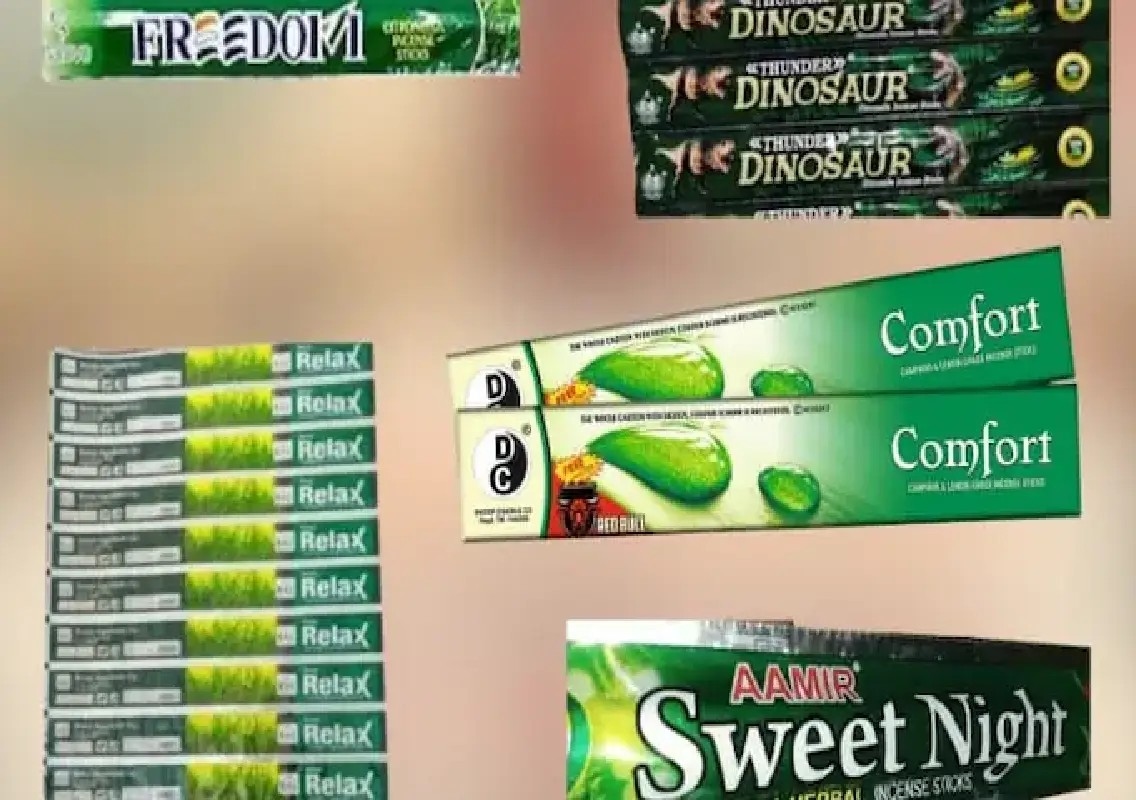


New Delhi: A survey commissioned by the Home Insect Control Association (HICA) has raised concerns over the widespread use of unregulated mosquito repellent agarbattis, with doctors warning that such products may pose significant respiratory health risks.
The study, conducted by market research firm Kantar across 12 Indian cities, found that many households continue to use mosquito repellent agarbattis that allegedly lack mandatory regulatory approvals and ingredient disclosures.
Survey highlights concerns over unregulated products
According to the survey, 95 per cent of households reported no cases of mosquito-borne diseases such as dengue or malaria in the previous year.
However, 70 per cent of the 405 doctors surveyed classified illegal mosquito agarbattis containing unapproved chemicals as a major respiratory hazard. Additionally, 67 per cent said the potential health risks were comparable to those associated with cigarette smoke.
The survey covered 1,264 households and 405 doctors, including pulmonologists, paediatricians, general physicians and gynaecologists.
Majority of market allegedly unregulated
HICA estimates that India’s mosquito repellent agarbatti market is worth around Rs 2,000 crore, with nearly 85 per cent of products allegedly belonging to illegal or unregulated manufacturers.
According to the association, these products often do not carry the mandatory Central Insecticides Registration (CIR) number or disclose their ingredients.
The survey found that 59 per cent of households use such products, with around half reporting daily use for more than three years.
Doctors warn of respiratory problems
According to the survey, 84 per cent of doctors believe prolonged use of unregulated mosquito agarbattis contributes to rising household healthcare costs.
The report also found a gap in consumer awareness. Nearly 48 per cent of respondents believed products sold at pharmacies were automatically safe, while 56 per cent of doctors considered this assumption misleading.
Similarly, 50 per cent of consumers regarded herbal or citronella-based products as safe, whereas 66 per cent of doctors surveyed expressed concerns that some such products may make misleading claims or lack regulatory oversight.
The survey further found that 55 per cent of doctors believed families were unaware of safer, approved alternatives.
Experts advise checking product approvals
HICA Secretary and Director Jayant Deshpande urged consumers to purchase only mosquito repellents displaying the mandatory CIR registration number and to avoid products lacking regulatory information.
Commenting on the findings, Dr Sanjith Saseedharan, Director of Critical Care at S.L. Raheja Hospital, Mahim, said mosquito repellents remain important for preventing diseases such as dengue, but prolonged exposure to smoke from certain products may pose health risks.
He noted that some unregulated mosquito repellents may contain chemicals capable of irritating the respiratory tract.
According to Dr Saseedharan, children, older adults, people with asthma and those living with chronic obstructive pulmonary disease (COPD) are particularly vulnerable to respiratory irritation caused by prolonged exposure to smoke.
Need for greater awareness
The survey calls for stronger enforcement against unregulated mosquito repellent products and greater consumer awareness regarding approved alternatives.
Experts recommend choosing products that comply with regulatory standards and following manufacturers’ instructions to reduce unnecessary exposure while continuing to protect against mosquito-borne diseases.