









The idea of adjusting lifestyle and training around the menstrual cycle—popularly called “cycle syncing”—is gaining attention online and among sports scientists. Now, a new study suggests that women athletes who sustain injuries while menstruating may take longer to recover compared with injuries at other stages of their cycle.
The findings add nuance to an already complex discussion around hormones, performance and injury management in women’s sport.
Study tracks elite footballers over four seasons
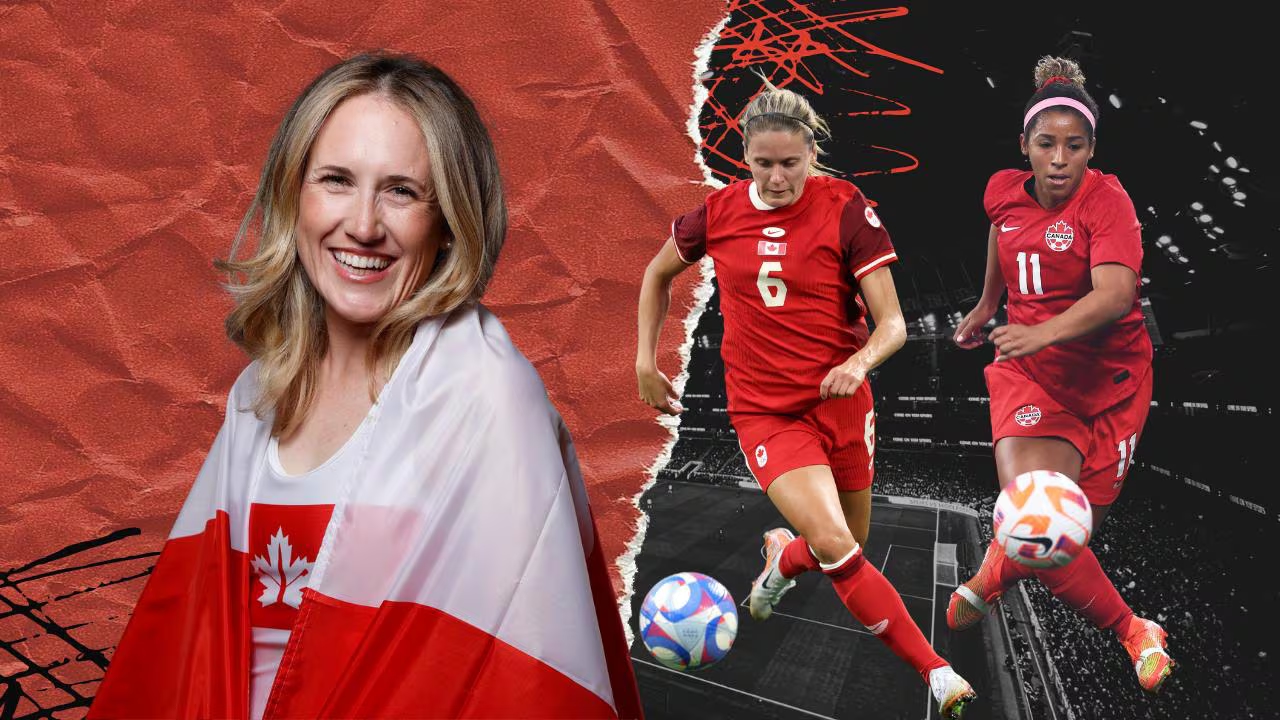
Researchers led by Eva Ferrer at Hospital Sant Joan de Déu in Barcelona followed 33 professional players from FC Barcelona’s women’s football team over four seasons between 2019 and 2023. Players self-reported menstruation days as part of routine training logs, while all injuries were assessed and graded by team doctors.
The study found no increase in the number of injuries during menstruation. However, injuries sustained during this phase appeared more severe. Soft tissue injuries occurring during periods resulted in more than three times the training days lost compared with similar injuries at other points in the cycle.
Hormones may play a role, but evidence is mixed
One possible explanation is lower oestrogen levels during menstruation. Oestrogen is associated with muscle repair and recovery, and reduced levels—combined with fatigue, cramps or iron loss—may worsen injury outcomes.
However, experts caution against drawing firm conclusions. Stuart Phillips of McMaster University noted that much of the evidence around oestrogen’s protective role comes from animal studies rather than human trials. The study also did not measure iron levels or account for factors such as sleep or cumulative fatigue.
For background on hormonal phases, see Menstrual cycle – Wikipedia.
Small sample, careful interpretation
Ferrer acknowledged limitations, including the small number of injuries during menstruation—11 compared with 69 on non-bleeding days. A few severe injuries can skew results in such samples, and it remains unclear whether the findings apply to recreational athletes.
What this means for training decisions
Rather than blanket rules, researchers recommend individualised approaches. Training loads during menstruation should consider symptoms, injury history and objective performance data, while further research incorporates hormone levels, iron markers and nutrition.
As women’s sport grows in India and Karnataka—across football, athletics and kabaddi—such evidence could inform safer, more personalised training practices. Related coverage on women’s health and sports science can be found on Newskarnataka.com (see our reports on athlete wellness and injury prevention).