







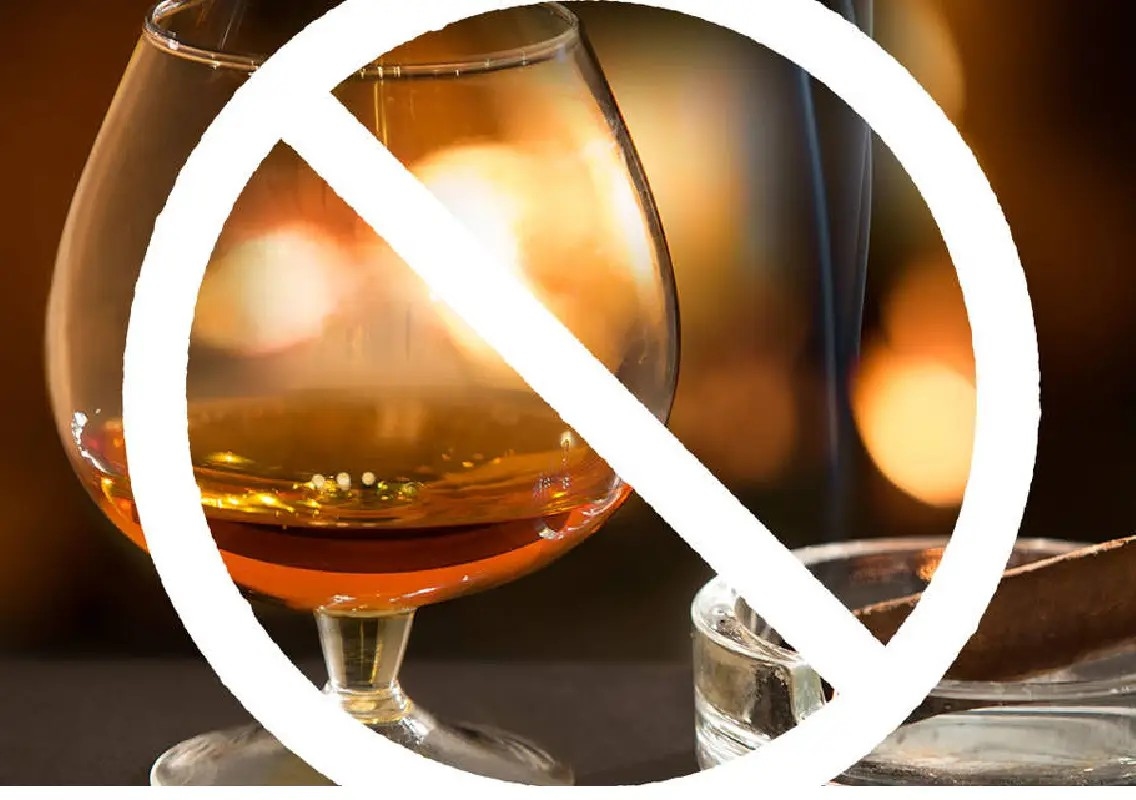


Cognac is often viewed as a premium spirit enjoyed on special occasions, but health experts caution that it carries many of the same risks associated with other forms of alcohol.
Produced from distilled white wine and typically containing around 40 per cent alcohol by volume (ABV), Cognac can contribute to a range of short-term and long-term health concerns when consumed excessively.
Hidden additives may add calories
Although Cognac production is tightly regulated, French regulations permit limited use of additives such as sugar syrup, caramel colouring and oak extracts in certain products.
These ingredients are often used to maintain consistency in flavour and appearance, but they can also add extra calories without providing any nutritional benefit.
May affect digestion and sleep
Many people consume Cognac after meals believing it aids digestion. However, experts note that alcohol can actually slow the digestive process by relaxing stomach muscles and delaying gastric emptying.
Similarly, while Cognac may initially make a person feel sleepy, alcohol disrupts the body’s natural sleep cycle. Regular consumption before bedtime can reduce REM sleep, resulting in poorer sleep quality, daytime fatigue and reduced concentration.
High in calories, low in nutrition
Like most distilled spirits, Cognac is calorie-dense. It provides significant energy but contains little to no essential nutrients.
Frequent consumption can contribute to weight gain and increase the risk of metabolic disorders over time.
Long-term health concerns
Excessive alcohol consumption is linked to a range of serious health problems, including liver disease, alcohol dependence, cardiovascular issues and certain types of cancer.
Medical experts also warn that prolonged heavy drinking can affect brain health and cognitive function.
Beware of counterfeit products
Due to its premium status, Cognac is among the alcoholic beverages most frequently targeted by counterfeiters. Fake products may contain unregulated ingredients that can pose immediate health risks.
Health professionals advise consumers who choose to drink alcohol to do so in moderation and to purchase products only from authorised and reputable sources.
Ultimately, while Cognac may be associated with sophistication and tradition, experts stress that it should be enjoyed responsibly, with awareness of its potential health impacts.