







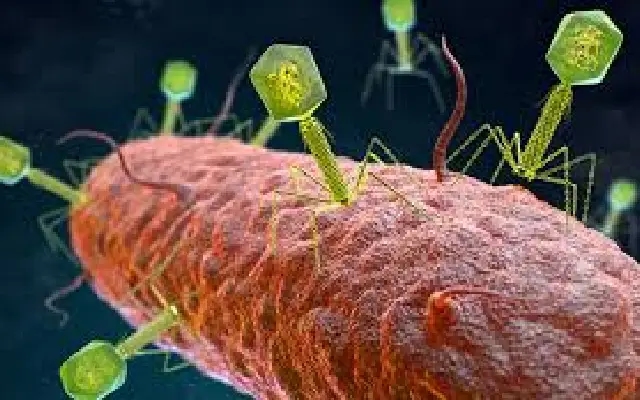


Researchers at Johns Hopkins Medicine have discovered a fascinating bacterial defense mechanism that could revolutionize the treatment of antibiotic-resistant infections. The team, led by Dr. Joshua Modell, found that bacteria can use genetic material from dormant bacteriophages, or “phages,” to store viral DNA and “vaccinate” themselves against future infections. These findings, published in Cell Host & Microbe, provide new insights into bacterial immunity and could pave the way for phage-based therapies.
Bacteria, much like humans, are constantly under attack by viruses known as phages. These phages can either destroy bacteria or remain dormant within them. When dormant, bacteria can steal fragments of viral DNA and integrate it into their own genetic material. This genetic memory, passed on to offspring, allows future generations to recognize and combat similar viral threats.
The process is similar to how vaccines work, using attenuated viruses to build immunity. Bacteria use the CRISPR-Cas system as a defense mechanism, storing snippets of viral DNA for future recognition. This study revealed that bacteria are more adept at acquiring viral DNA from dormant phages, which enhances their ability to fight off infections. Researchers found that the CRISPR system was significantly more effective when working with dormant phages than with active ones.
Understanding this process is crucial for advancing phage therapy, which uses viruses to target antibiotic-resistant bacteria. This breakthrough may lead to new treatments for bacterial infections that are resistant to conventional antibiotics, offering hope for more effective therapies in the future.
Read also: