







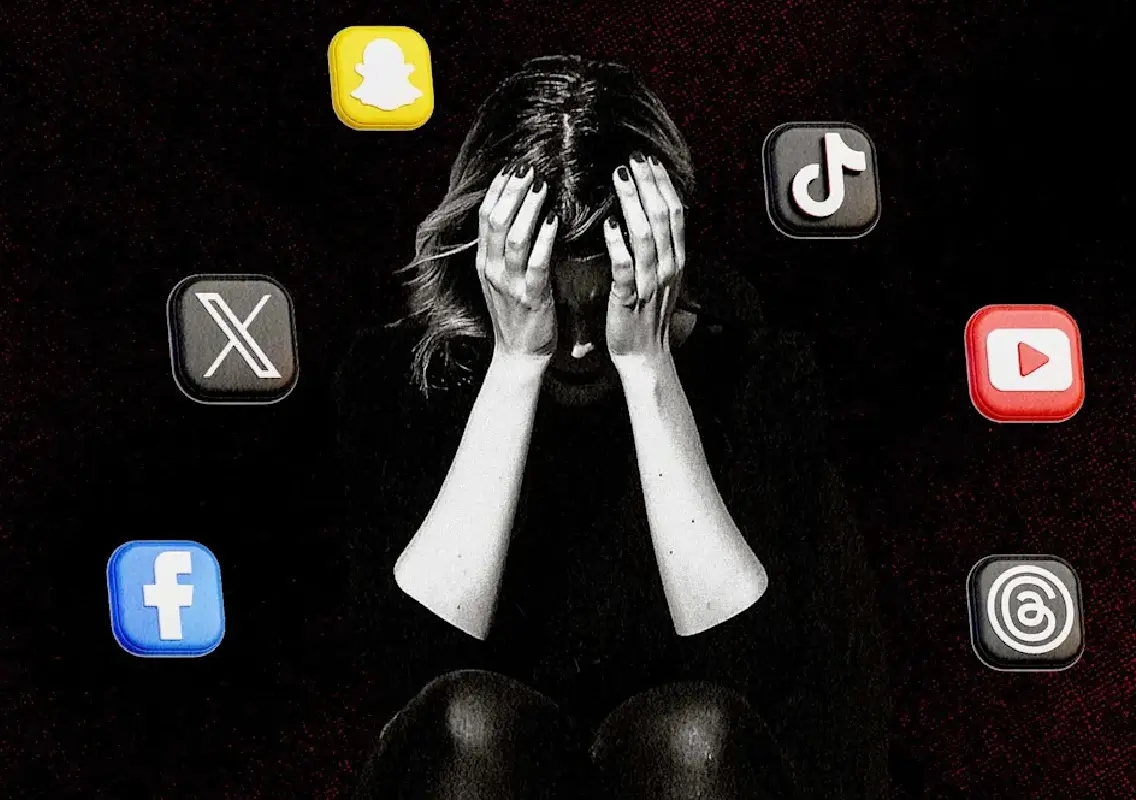


A landmark trial against social media giants Meta and YouTube began on Monday in a Los Angeles state court, with lawyers arguing that addictive design features on popular platforms harmed a young woman’s mental health. The case is the first of hundreds of similar lawsuits to reach trial and could shape the future of accountability for tech companies.
Plaintiff alleges platforms engineered addiction
The plaintiff, identified as Kaley, now 20, and her mother have accused Meta and YouTube of intentionally creating addictive products that contributed to anxiety, body dysmorphia and suicidal thoughts during her teenage years.
Opening arguments were presented before a jury at the Los Angeles Superior Court. Kaley’s lawyer, Mark Lanier, described Instagram and YouTube as “digital casinos,” arguing that features such as infinite scroll, autoplay and ‘likes’ trigger dopamine responses similar to gambling addiction, particularly in children.
“This case is about corporations that engineered addiction in children’s brains,” Lanier told the court.
Companies deny responsibility
Lawyers representing Meta and YouTube countered that Kaley’s mental health challenges stemmed from a difficult family environment rather than social media use. Meta’s counsel argued that the platforms may have served as a creative and emotional outlet during periods of stress.
Both companies have long denied claims that their platforms harm young users, pointing to safety tools such as parental controls, screen-time reminders and content filters. Meta said it remains committed to supporting young people, while YouTube described the allegations as unfounded.
Wider impact beyond one case
The outcome of the trial could influence the resolution of nearly 1,500 similar lawsuits filed across the United States. Legal experts say adverse rulings could expose tech firms to billions of dollars in damages and force major changes in platform design.
Kaley had also sued Snap and TikTok, which settled before trial but remain defendants in other cases. Senior executives, including Meta CEO Mark Zuckerberg and YouTube CEO Neal Mohan, are expected to testify in the coming weeks.
The case marks a critical moment in the global debate on social media, children’s safety and mental health.