







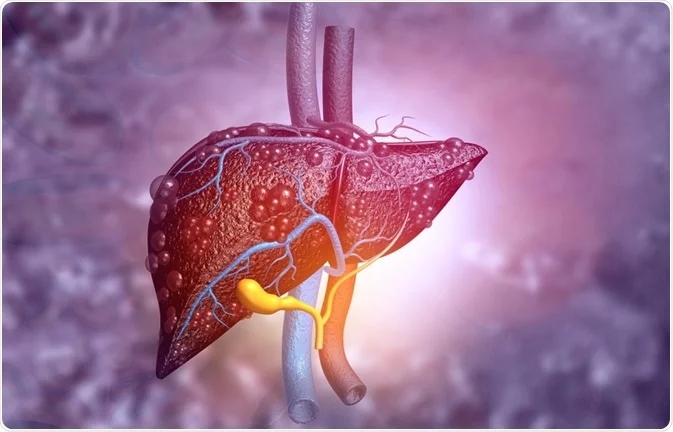


Liver-related illnesses among children are escalating rapidly, primarily due to lifestyle changes. In the past, infections were the leading cause of liver complications in children, but today, more cases stem from unhealthy habits. Dr. Prabhat Bhushan, a senior pediatrician at Max Hospital in Delhi, points out that metabolic disorders like Wilson’s disease, biliary atresia, and non-alcoholic fatty liver disease (NAFLD) have become more frequent. Despite the decline in cases of cirrhosis, Hepatitis A remains a significant concern, particularly in children from disadvantaged backgrounds.
The signs of liver disease in children are varied and often subtle. Key symptoms include jaundice (yellowing of the skin and eyes), abdominal pain or bloating, tiredness, loss of appetite, nausea, and vomiting. In some cases, children may have dark urine or pale stools, indicating liver dysfunction.
A major contributor to the rise in fatty liver disease among children is obesity, which is often caused by a lack of physical activity and poor dietary choices. NAFLD is becoming increasingly common as children adopt sedentary lifestyles. Additionally, genetic conditions like Wilson’s disease are gaining prevalence.
Preventive strategies, including timely vaccinations for Hepatitis A and B, along with early metabolic screenings, can help detect liver diseases in their early stages, ensuring better outcomes. Early intervention is key to tackling these growing concerns.
- Swiggy Bets Big on 10-Minute Delivery Bolt to Outpace Slowdown and Losses
- Karnataka’s Water Revolution: Affordable Drops Delivered at Your Doorstep
#ChildLiverHealth #FattyLiver #PreventiveMedicine #HealthyKids