







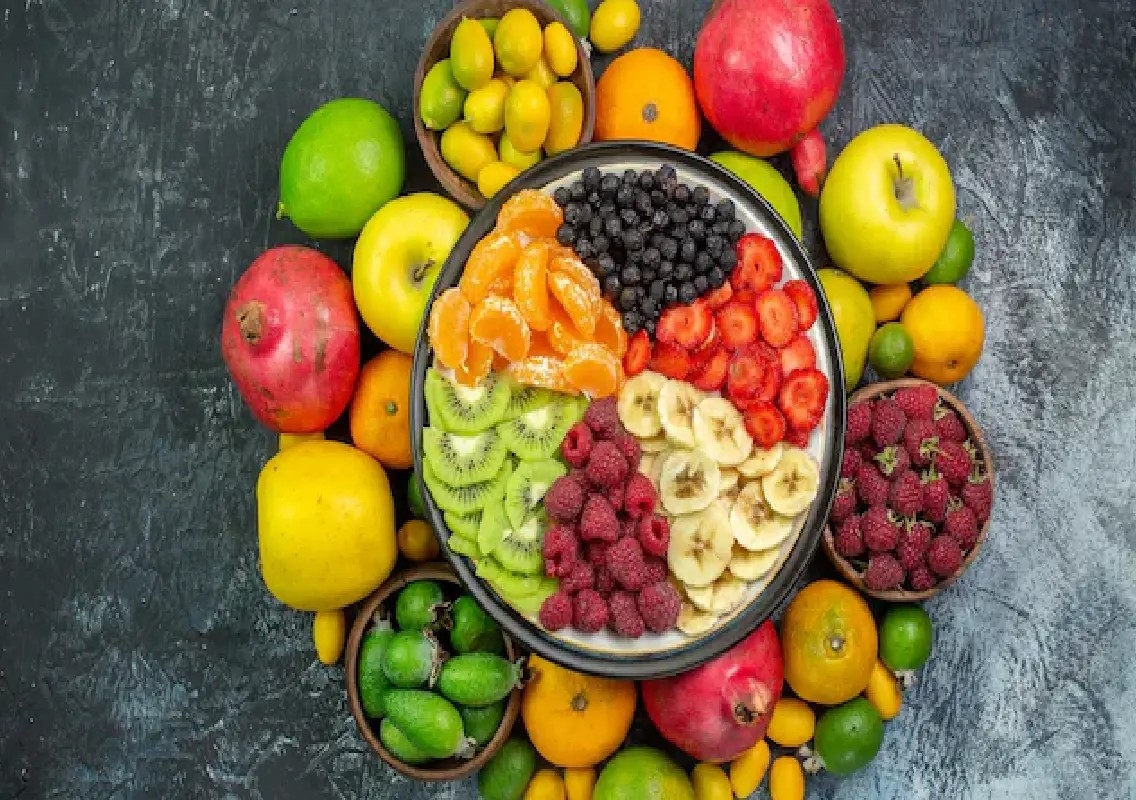


New Delhi: Eating less sugar alone may not be enough to reduce the growing burden of type 2 diabetes in India, according to a new study that identifies inadequate fruit consumption as the leading dietary risk contributing to the disease across South Asia.
The analysis, based on data from the Global Burden of Disease (GBD) Study 2023, suggests that increasing fruit intake could play a crucial role in preventing type 2 diabetes alongside reducing the consumption of unhealthy foods. Researchers say improving diet quality by adding nutrient-rich foods is just as important as limiting sugar and processed products.
The findings have been published in the journal Diabetes Research and Clinical Nutrition.
Study links low fruit intake to diabetes burden
The study analysed dietary risk factors associated with type 2 diabetes across 34 Asian countries between 1990 and 2023.
Researchers assessed the impact of seven dietary risk factors using data from the Global Burden of Disease Study 2023. The analysis estimated both deaths and Disability-Adjusted Life Years (DALYs), a measure that combines years of life lost due to premature death with years lived with disability.
According to the findings, dietary risks were responsible for 99.7 lakh DALYs and 2,14,810 deaths from type 2 diabetes across Asia in 2023.
The researchers said these figures underscore the major role that dietary habits play in the development and progression of diabetes.
India faces highest risk from low fruit consumption
One of the study’s most significant findings is that insufficient fruit intake emerged as the single largest dietary contributor to the diabetes burden across Asia.
Low fruit consumption accounted for an estimated 36 lakh DALYs and 85,960 deaths linked to type 2 diabetes in 2023.
The findings are particularly relevant for India, which has one of the world’s largest populations of people living with diabetes.
Unlike conventional advice that primarily focuses on cutting down sugar, sweets and refined carbohydrates, the study suggests that increasing the intake of healthy foods, especially fruits, may be equally important in preventing diabetes.
Fruits offer multiple health benefits
Researchers noted that fruits provide essential nutrients, including dietary fibre, vitamins, minerals and antioxidants.
Compared to many refined carbohydrate-based foods, fruits generally have a lower glycaemic load and are associated with improved metabolic health.
Regular fruit consumption has been linked to better insulin sensitivity, reduced inflammation and improved blood sugar regulation, all of which contribute to lowering the risk of developing type 2 diabetes.
The study indicates that encouraging people to consume adequate quantities of fruit could become an important component of future diabetes prevention strategies.
Dietary risks differ across Asia
The research also found considerable regional differences in dietary factors associated with diabetes.
While inadequate fruit consumption was identified as the leading dietary risk in South Asia, other parts of Asia showed different patterns.
In Southeast Asia, insufficient consumption of whole grains was found to be the biggest dietary concern.
In East Asia, high intake of unprocessed red meat emerged as the leading risk factor, while processed meat consumption contributed most significantly in high-income Asia-Pacific countries.
Meanwhile, Central Asia experienced a combined burden from both processed and unprocessed red meat consumption.
Researchers said these variations indicate that diabetes prevention strategies should be tailored to regional dietary habits rather than adopting a single approach across all countries.
South Asia records highest diabetes burden
The study found that South Asia recorded the highest number of diet-related deaths from type 2 diabetes in 2023, with 1,18,660 deaths attributed to dietary risk factors.
India’s large population and high prevalence of diabetes make it a major contributor to this regional burden.
According to the World Health Organization (WHO), India has nearly 7.7 crore adults living with type 2 diabetes, while another 2.5 crore people are estimated to have prediabetes, placing them at high risk of developing the disease.
The WHO also notes that more than half of people with diabetes remain unaware of their condition, increasing the likelihood of complications due to delayed diagnosis and treatment.
Healthy eating can reduce diabetes risk
Researchers emphasised that dietary habits are among the most modifiable risk factors for type 2 diabetes.
Unlike age or genetic predisposition, food choices can be improved through individual lifestyle changes, public health campaigns and nutrition-focused policies.
The study recommends encouraging greater fruit consumption as part of broader efforts to improve dietary diversity and overall nutritional quality.
Experts stressed that preventing diabetes requires a balanced approach that combines reducing sugar, refined carbohydrates and processed foods with increasing the intake of fruits and other nutrient-rich foods.
The findings suggest that for India, promoting adequate fruit consumption could become an important public health strategy in tackling the country’s growing diabetes burden and improving long-term metabolic health.