







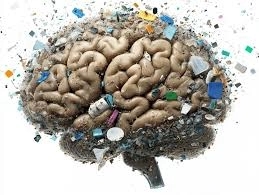


Microplastics are rapidly infiltrating ecosystems, and shockingly, they are now found in the human brain. A recent study published in Nature Medicine revealed that the human brain contains approximately a spoonful’s worth of microplastics and nanoplastics (MNPs). In fact, brain tissues show 7 to 30 times higher concentrations of MNPs compared to other organs like the liver or kidney. This alarming discovery highlights the growing threat of microplastics and the potential health risks they pose.
A commentary in Brain Medicine expands on the concerns regarding microplastics, detailing the serious health impacts they could cause. Research suggests that MNP exposure may lead to oxidative stress, inflammation, immune system dysfunction, and disruption in biochemical processes. The damage could even extend to altered organ development and an increased risk of cancer. A notable study in The New England Journal of Medicine found that people with carotid artery plaques containing MNPs were at a higher risk for heart attacks, strokes, and overall mortality. Furthermore, patients with inflammatory bowel disease (IBD) were found to have 1.5 times more microplastics in their stools compared to healthy individuals, indicating that the digestive system is significantly affected.
In animal studies, such as one conducted on mice exposed to nanoplastics for eight weeks, researchers observed memory and learning deficits, lower synaptic protein levels, and neuroinflammation, underscoring the potential neurological effects of MNP exposure.
Given these findings, scientists are urging immediate action to minimize microplastic exposure. Simple changes like switching from bottled water to tap water could drastically reduce MNP intake. Bottled water consumers ingest up to 90,000 microplastic particles a year, while those who drink tap water only consume around 4,000 particles annually. Avoiding the use of plastic containers for heating food and reducing the consumption of highly processed foods are also recommended steps to cut back on microplastics. In fact, highly processed foods, such as chicken nuggets, were found to contain 30 times more microplastics per gram than unprocessed chicken breasts, illustrating the impact of industrial food processing.
Practical Steps to Reduce Microplastic Exposure:
- Drink Safe Water:
Avoid bottled water. Use a high-quality water filter (such as activated carbon or reverse osmosis) at home and opt for BPA-free, glass, or stainless-steel reusable bottles. - Eat Fresh, Unprocessed Foods:
Choose fresh fruits, vegetables, and whole foods. Store food in glass or stainless-steel containers instead of plastic, and avoid heating food in plastic containers as this increases the release of microplastics. - Ditch Plastic Utensils:
Switch to bamboo, wooden, or metal cutlery, and use a stainless-steel or glass infuser for loose-leaf tea. Avoid takeaway coffee cups with plastic linings. - Be Mindful of Household Items:
Choose personal care products free from microbeads and opt for eco-friendly detergents and soaps. When washing synthetic clothing like polyester, use a microplastic-filtering laundry bag or a washing machine filter.
By following these simple yet effective changes, individuals can reduce their microplastic exposure and contribute to minimizing the impact of these harmful pollutants on health.
Read also;