







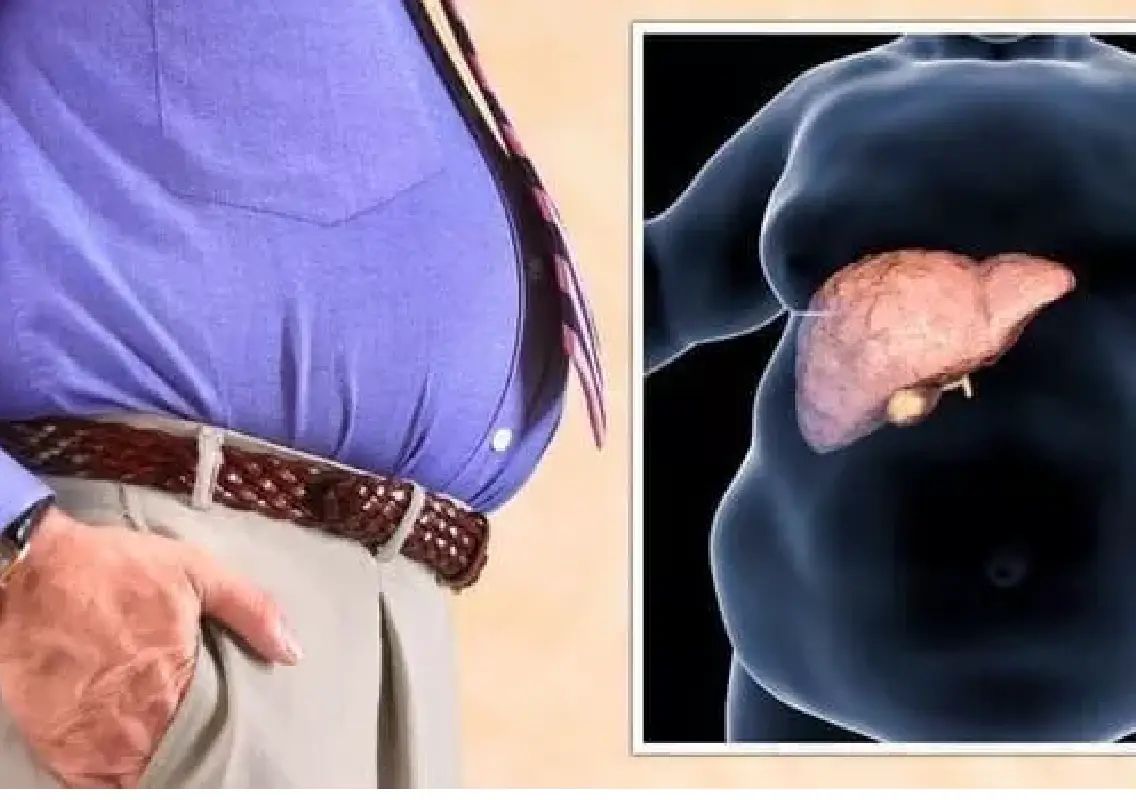


Nearly two out of five adults in Hyderabad are living with metabolic dysfunction-associated steatotic liver disease (MASLD), commonly known as fatty liver disease, according to a major pan-India study published in The Lancet Regional Health.
The study, led by the Council of Scientific and Industrial Research (CSIR), surveyed over 10,000 adults across 27 cities. Hyderabad recorded a prevalence of 40.9%, slightly higher than the national average of 38.9%.
Men more affected; obesity biggest risk
In Hyderabad, 46% of men and 36.2% of women were found to have fatty liver disease. Among major metros, Delhi topped the list at 41.3%, followed closely by Chennai (41.2%) and Bengaluru (40.6%).
Obesity emerged as the strongest risk factor. Individuals with class-2 obesity were nearly 14 times more likely to develop MASLD than those with normal weight. Diabetes doubled the risk, while hypertension and high cholesterol further increased vulnerability.
Doctors also warn of “lean fatty liver”, where individuals of normal weight develop the disease due to hidden metabolic risks such as excess abdominal fat or diabetes.
Rising cancer burden and young patients
Experts at Asian Institute of Gastroenterology say the consequences are already visible. Hepatocellular carcinoma (HCC), the most common primary liver cancer, is rising sharply. Specialists report that 40–50% of liver cancer patients are now relatively young, often presenting at advanced stages.
Doctors stress that MASLD has overtaken viral hepatitis as a leading cause of severe liver complications in urban India.
Condition reversible if detected early
Health officials are exploring AI-based screening in public hospitals to identify high-risk individuals early. Experts emphasise that fatty liver is reversible within months through weight loss, dietary changes and physical activity.
With urban lifestyles driving the surge, specialists warn that fatty liver is no longer a silent condition but a growing public health crisis rooted in everyday habits.