







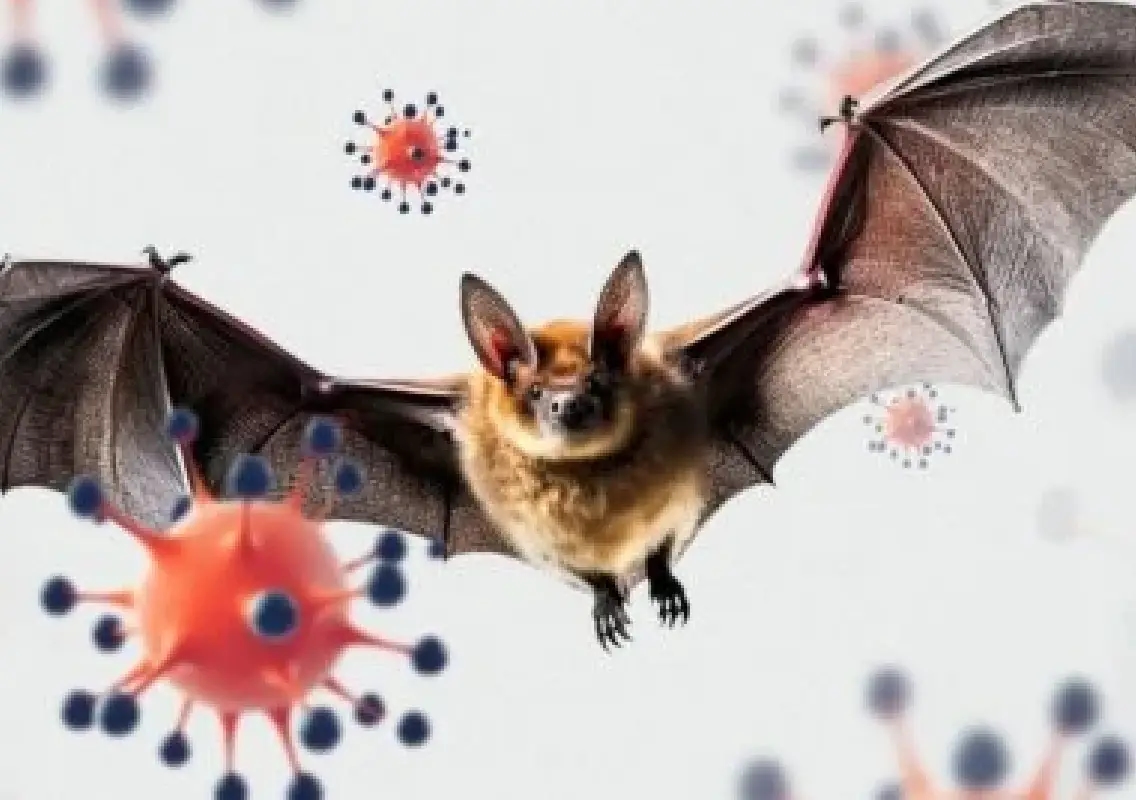


Bangladeshi researchers have identified an emerging bat-borne virus in patients initially suspected to be infected with Nipah virus (NiV), raising fresh concerns that multiple dangerous zoonotic viruses may be circulating silently in the region.
The study detected Pteropine orthoreovirus (PRV) in archived throat swabs and viral cultures from five patients admitted with acute respiratory illness and encephalitis between December 2022 and March 2023. Initial tests using PCR and serology were negative for NiV, but advanced genetic sequencing revealed PRV, with live virus successfully cultured from samples of three patients.
Raw date palm sap link flagged
All five patients had consumed raw date palm sap shortly before falling ill — a known route for NiV spillover from fruit bats to humans. Researchers warned that this popular seasonal food may expose people to a wider range of bat-borne viruses than previously recognised.
The patients were identified through a Nipah surveillance programme run by the Institute of Epidemiology, Disease Control and Research, the International Centre for Diarrheal Disease Research, Bangladesh, and the Centers for Disease Control and Prevention.
Symptoms mirror Nipah infection
Patients, who lived in different locations and had no contact with one another, showed symptoms including fever, disorientation, altered mental status, abnormal gait and breathing difficulties. One child suffered fever-related convulsions. While two patients recovered fully, two reported lingering neurological and respiratory issues. One patient later died in August 2024 after progressive neurological decline.
Senior author Nischay Mishra of Columbia University Mailman School of Public Health said the findings show that “the risk associated with raw date palm sap consumption extends beyond Nipah virus.”
Virus evolution raises alarm
Genetic analysis revealed signs of reassortment — a process where segmented viruses exchange genetic material — involving PRV strains from bats and humans in Southeast Asia. Researchers warned that such reassortment can alter transmissibility and virulence, increasing zoonotic risk.
The findings, published in Emerging Infectious Diseases, recommend that PRV be included in routine diagnosis of NiV-like illness.
Call for wider surveillance
Experts urged expanded molecular surveillance and broader diagnostic testing in regions where raw date palm sap is consumed, warning that focusing solely on Nipah virus may miss other serious infections.