







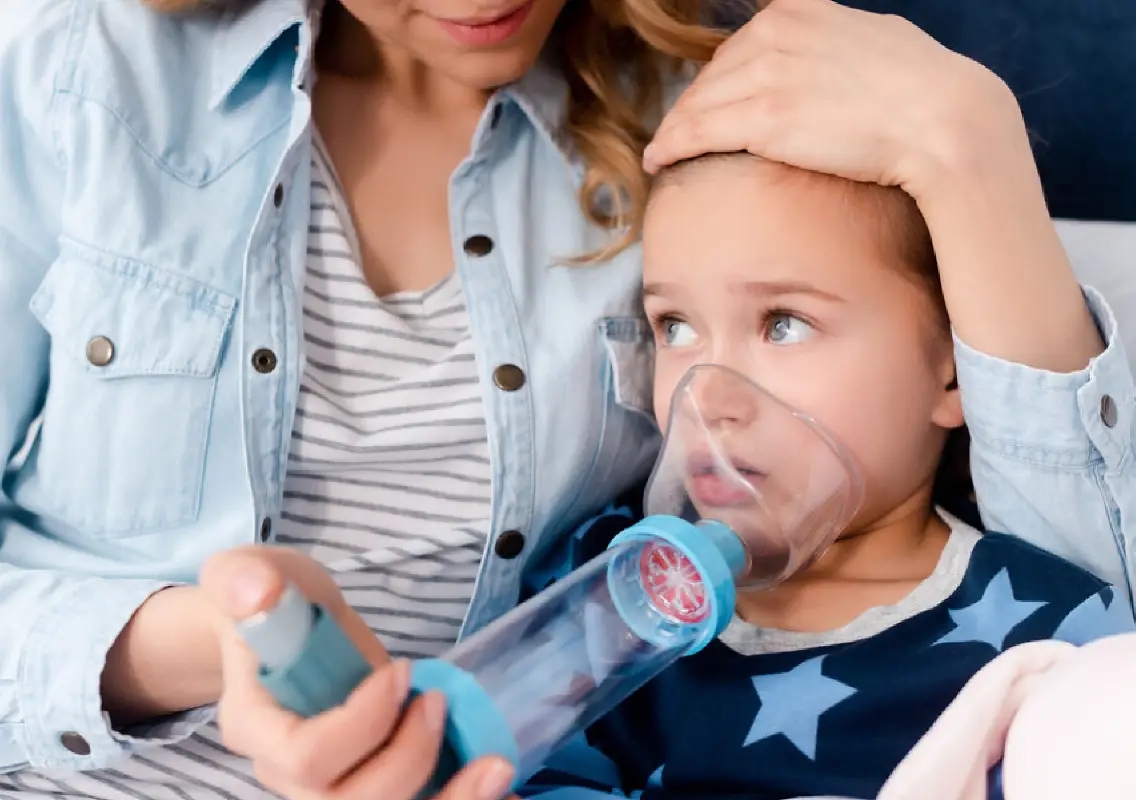


A new clinical study in the United Kingdom is examining whether enhanced asthma reviews for children could reduce the overuse of reliever inhalers and prevent life-threatening attacks.
The Prescription Alerts for Reliever Inhalers in Children (PARC) study, led by researchers at the University Hospital Southampton, is evaluating whether additional specialist nurse check-ups can improve asthma control among children who frequently use blue reliever inhalers.
Targeting children at higher risk
Dr Anna Selby, paediatric registrar at University Hospital Southampton and study lead, said the primary goal is to “identify children that are at high risk” and introduce timely measures to improve asthma management.
Frequent use of blue reliever inhalers indicates that asthma may not be well controlled. While reliever inhalers provide immediate symptom relief, they do not treat the underlying airway inflammation. Brown preventer inhalers, by contrast, address long-term inflammation.
Children currently receive annual asthma reviews with their GP. Under the PARC study, participating GP practices in Hampshire, Dorset and the Thames Valley have been divided into two groups — one offering enhanced specialist reviews and the other continuing standard care. Researchers will compare outcomes to assess whether additional intervention reduces asthma or wheeze attacks.
The study is being delivered through the NIHR Southampton Biomedical Research Centre.
A new alert system in focus
Researchers are also exploring a prescription alert system that would notify GPs if a child has been prescribed more than six reliever inhalers, prompting an earlier review.
Parents such as Atlanta McDermott, who enrolled her daughter Amelia, have already seen improvements. Amelia, who previously relied on her blue inhaler daily, has since transitioned to a combination inhaler containing both reliever and preventer medication.
Asthma remains one of the most common chronic respiratory conditions in children (see Asthma). Symptoms include wheezing, coughing, chest tightness and shortness of breath. Severe attacks can be life-threatening.
Health experts hope structured monitoring and early intervention will significantly improve outcomes, helping children lead more active and healthier lives.