







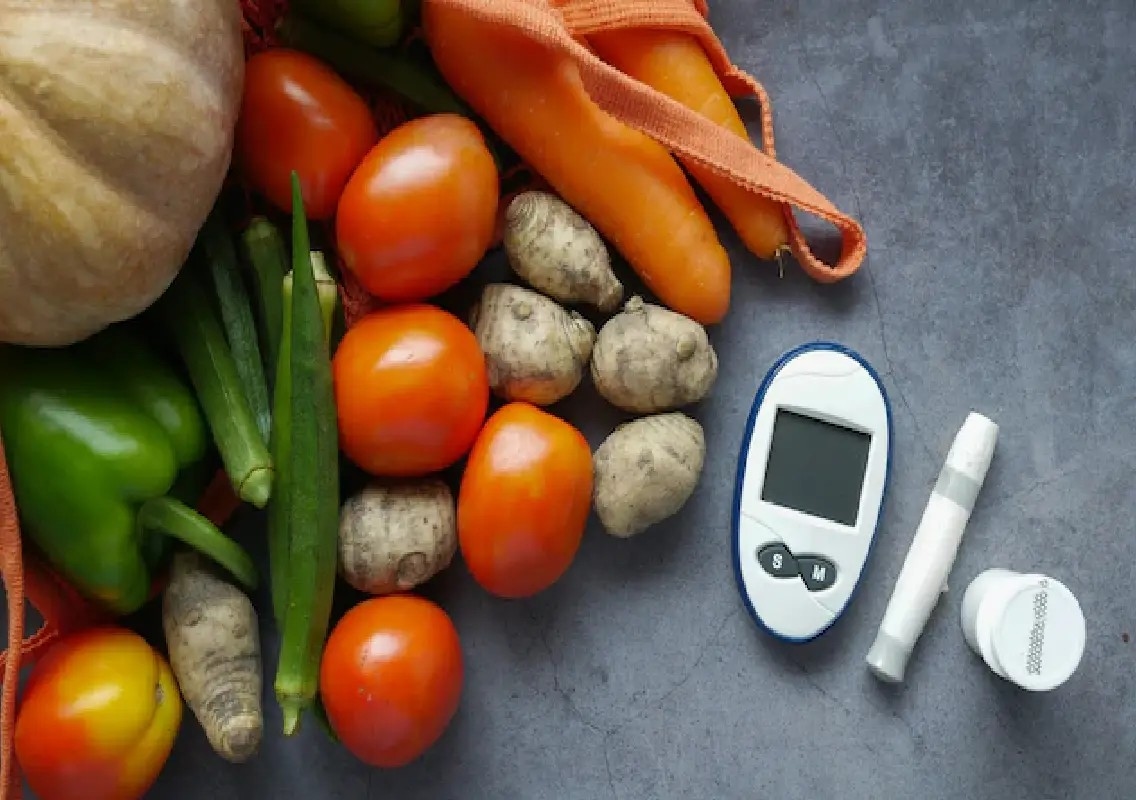


New Delhi: For people managing diabetes, reducing sugar is only one part of maintaining healthy blood glucose levels. The overall balance of carbohydrates, protein, fibre and other nutrients in each meal also matters. Nutritionist Palak Nagpal has highlighted how some common Indian meal combinations may be heavily weighted towards carbohydrates while providing comparatively little protein.
Common Indian meals may need better balance
Meals such as dal with roti, potato sabzi with roti or several rotis accompanied by only a small quantity of protein and vegetables are common in Indian households. While these foods can form part of a healthy diet, the proportion of each component on the plate is important for people with diabetes.
Nagpal points out that a meal containing several rotis and a relatively small serving of protein can provide a substantial carbohydrate load. Depending on the portion size and the individual’s response to carbohydrates, this can contribute to a rise in blood glucose after eating.
This does not mean that people with diabetes need to completely eliminate roti, dal or potatoes. Instead, the focus should be on creating a more balanced plate.
Protein can make a meal more balanced
In an example shared by Nagpal, a plate containing roti, dal and salad may appear nutritious, but the amount of protein can still be relatively modest.
She estimates that a serving of dal may provide around 7 to 8 grams of protein. Adding another substantial protein source can considerably increase the protein content of the meal.
For instance, Nagpal demonstrated a combination in which dal provides around 7 grams of protein and a paneer-based vegetable preparation contributes another 20 grams. Together, the meal provides approximately 27 grams of protein.
The example illustrates the importance of adding an adequate protein source rather than relying on dal alone to balance a carbohydrate-rich meal.
Fibre is another important component
Protein is not the only consideration. Fibre-rich foods should also have an important place on a diabetes-friendly plate.
Vegetables, salads, pulses, legumes, whole grains, nuts and seeds can contribute dietary fibre. Including plenty of non-starchy vegetables with a meal can increase its nutritional value while helping create a more balanced plate.
Fibre can also slow digestion and the absorption of carbohydrates, although the effect varies depending on the type and amount of fibre consumed and the overall composition of the meal.
For people with diabetes, choosing minimally processed, fibre-rich carbohydrate sources and paying attention to portion sizes can therefore be more useful than simply categorising foods as either ‘good’ or ‘bad’.
Complex carbohydrates still need portion control
Nagpal recommends including sensible quantities of complex carbohydrates rather than completely avoiding carbohydrates.
Roti and other grain-based foods can provide carbohydrates as well as other nutrients. However, the amount consumed matters. Eating several rotis while having very little protein or vegetables can result in a meal dominated by carbohydrates.
A more balanced approach is to moderate the carbohydrate portion and increase the share of vegetables and an appropriate protein source.
The exact amount of carbohydrate suitable for an individual can vary depending on factors such as medication, activity levels, body weight, blood glucose patterns and overall health.
Diabetes management is about the whole plate
The idea of a balanced plate is also consistent with general dietary guidance for people with diabetes. The Mayo Clinic notes that people with diabetes should pay attention not only to blood glucose but also to foods that affect cardiovascular health, as diabetes is associated with an increased risk of heart disease and stroke.
Foods high in saturated fat, including butter, fatty dairy products and fatty meats, should be limited. Processed meats such as sausages and bacon are also among foods that should be restricted.
Cholesterol and sodium intake may also need attention, particularly for people who have other cardiovascular risk factors. The Mayo Clinic notes a general sodium limit of 2,300 mg a day, while people with high blood pressure may require a lower limit based on medical advice.
A simple way to rethink Indian meals
Instead of viewing diabetes management as a list of foods that must be avoided, people can focus on improving the composition of familiar meals.
For example, a meal containing roti can be accompanied by a generous serving of non-starchy vegetables and an adequate protein source. Dal can remain part of the meal, while paneer, curd, eggs, fish, chicken, tofu or other suitable protein sources can be included according to individual dietary preferences and health requirements.
Similarly, a potato-based preparation can be combined with more vegetables and protein rather than making potatoes and roti the dominant components of the meal.
Portion size remains important even when foods are nutritious. Eating excessive quantities of any carbohydrate-rich food can affect blood glucose.
Home-cooked food is not automatically balanced
One important takeaway from Nagpal’s advice is that preparing food at home does not automatically make a meal suitable for diabetes management.
Home cooking offers advantages because people can control ingredients, cooking methods and portion sizes. However, the nutritional balance of the plate still matters.
A meal can be freshly prepared and contain no added sugar while still providing a large amount of carbohydrates with insufficient protein and vegetables.
Therefore, people managing diabetes may benefit from looking at the complete meal rather than focusing only on whether a particular food contains sugar.
Individual needs can differ
Dietary requirements vary from person to person. Someone taking insulin or other glucose-lowering medication may have different nutritional needs from someone managing diabetes through lifestyle changes alone.
Blood glucose responses can also differ between individuals, even after eating the same meal. Therefore, people should not make major dietary or medication changes solely on the basis of social media nutrition advice.
Those with diabetes can work with a doctor or qualified dietitian to determine appropriate carbohydrate portions, protein requirements and overall dietary patterns.
Focus on balance rather than restriction
The broader message is that diabetes-friendly eating does not necessarily require abandoning traditional Indian foods.
Roti, dal, vegetables and other familiar foods can remain part of a balanced diet when consumed in appropriate proportions. Adding sufficient protein, increasing fibre-rich foods and moderating carbohydrate portions can help make meals more nutritionally balanced.
Managing diabetes involves more than avoiding sweets. Paying attention to the composition and quantity of the entire meal, along with regular physical activity, prescribed medication and medical monitoring, can form an important part of long-term blood glucose management.