







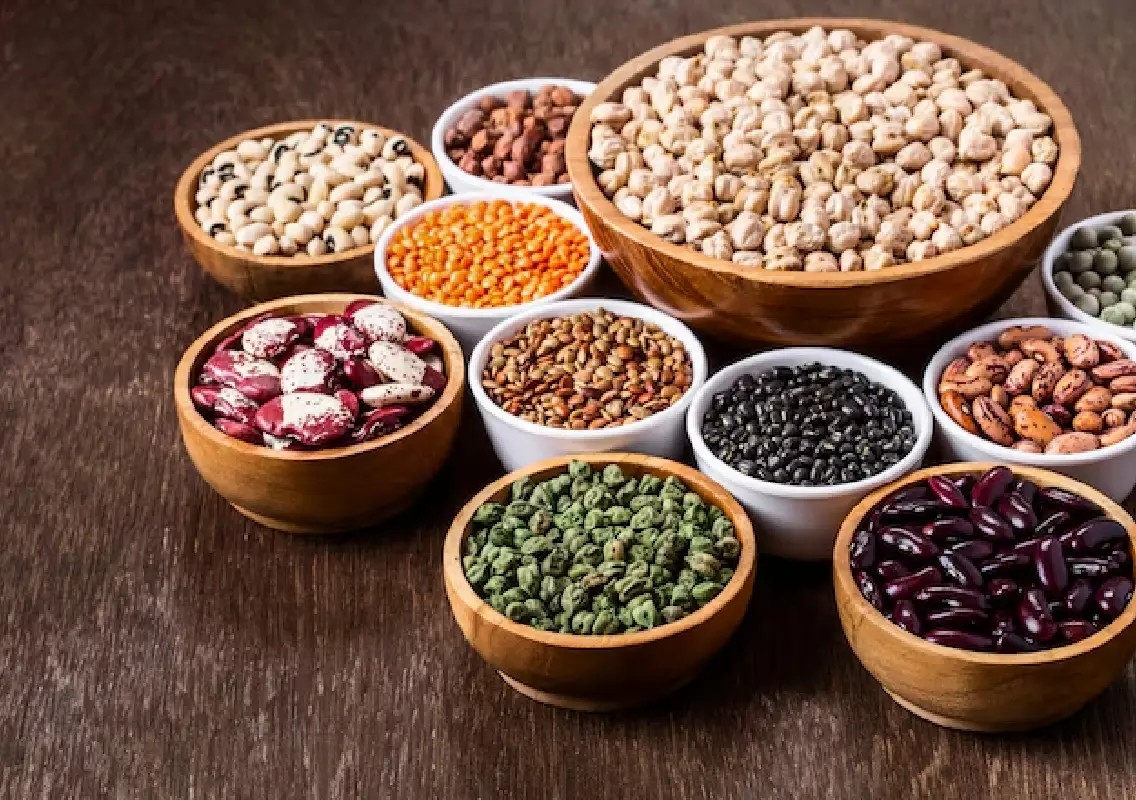


New Delhi: Including nuts and lentils in the daily diet may help lower cholesterol levels and reduce the risk of heart disease, according to preventive cardiology experts, who say simple dietary changes can significantly improve long-term cardiovascular health.
Experts emphasise that managing cholesterol is not only about reducing unhealthy foods but also about increasing the intake of fibre-rich and heart-friendly foods that support healthy cholesterol metabolism.
Reduce foods that raise cholesterol
Preventive cardiologists say the first step towards improving cholesterol levels is cutting down on foods that contribute to unhealthy blood lipid levels.
Dr Tracy Paeschke, a preventive cardiologist specialising in heart health, said people should reduce their intake of:
- Trans fats
- Saturated fats
- Tropical oils
“The best way to lower your cholesterol through diet is to stop or decrease your intake of foods that increase cholesterol, such as trans fats, saturated fats and tropical oils,” Dr Paeschke said.
Limiting these foods can help reduce the accumulation of low-density lipoprotein (LDL), commonly referred to as “bad” cholesterol.
Fibre and healthy fats support heart health
After reducing unhealthy fats, experts recommend adding foods rich in:
- Soluble fibre
- Insoluble fibre
- Healthy unsaturated fats
- Polyphenols, which are plant-based compounds
Michelle Routhenstein, a preventive cardiology dietitian, explained that these nutrients help bind cholesterol in the digestive system, promote its elimination from the body and reduce cholesterol production.
Together, they contribute to healthier cholesterol levels and improved cardiovascular function.
Nuts offer multiple heart benefits
Among the recommended foods, Dr Paeschke highlighted unsalted nuts as one of the easiest additions to a heart-healthy diet.
She advised consuming approximately one-third of a cup daily, including options such as:
- Walnuts
- Almonds
- Pistachios
- Cashews
A review published in the journal Nutrients found that regular consumption of nuts was consistently associated with reductions in:
- Total cholesterol
- LDL (“bad”) cholesterol
- Triglycerides
- Apolipoprotein B, a protein linked to plaque formation in arteries
The review also found that regular nut consumption may help lower blood pressure and reduce the risk of cardiovascular-related deaths.
Lentils help lower LDL cholesterol
Experts also recommend including lentils as part of a balanced diet.
Michelle Routhenstein said lentils are rich in soluble fibre and plant-based protein while also providing essential minerals such as:
- Zinc
- Magnesium
- Potassium
These nutrients support healthy blood pressure, vascular function and overall heart health.
The soluble fibre in lentils binds cholesterol and bile acids in the digestive tract, increasing their excretion from the body and helping lower LDL cholesterol levels when consumed as part of a healthy diet.
Another study published in Nutrients reported that daily lentil consumption was associated with reductions in both total cholesterol and LDL cholesterol.
Balanced diet remains essential
Experts stress that no single food can prevent heart disease on its own.
Instead, regularly including nutrient-rich foods such as nuts and lentils within a balanced diet, while limiting unhealthy fats and maintaining an active lifestyle, can play an important role in supporting cardiovascular health.
They also recommend regular health check-ups to monitor cholesterol levels and advise individuals with existing heart disease or other medical conditions to consult healthcare professionals before making significant dietary changes.
By combining healthier food choices with regular physical activity and appropriate medical guidance, people can improve their cholesterol profile and reduce their long-term risk of heart disease.